

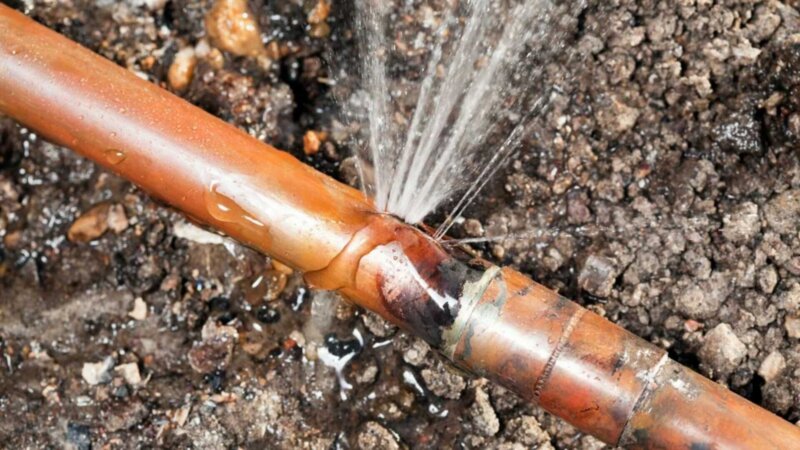
Lafayette homeowners are no strangers to the dramatic shifts in Indiana weather, where a peaceful morning can quickly turn into a torrential downpour or a deep freeze. Our local geography, defined by the proximity to the Wabash River and the clay-rich soil of the region, creates a unique environment where moisture management is a constant challenge. When these environmental factors converge, the need for professional water damage restoration Lafayette becomes a reality for many residents who find their basements or crawl spaces inundated. Understanding how the local landscape and the unpredictable climate of the Midwest work together to threaten your home is the first step in effective property preservation. Whether it is the rapid snowmelt of early spring or the high humidity of a July afternoon, the elements are constantly testing the resilience of your home’s foundation and roofing.
Does Lafayette, IN, have a high flood risk?
A primary concern for many in Tippecanoe County is the Lafayette flooding risk, especially for properties situated near the riverbanks or in low-lying urban areas. The local terrain is characterized by a mix of flat glacial plains and river valleys that can struggle to drain properly during intense rainfall events. When the ground becomes saturated, the excess water has nowhere to go but into the lowest points of your home, often resulting in significant hydrostatic pressure against basement walls. This pressure can cause foundational cracks that allow seepage, making a professional assessment of your home’s drainage system essential to prevent long-term structural issues.
In addition to the river’s influence, the urban development in Lafayette and West Lafayette has created many impermeable surfaces like parking lots and paved roads. During heavy storms, this leads to rapid runoff that can overwhelm municipal sewer systems and residential gutter setups. When these systems fail, the resulting backup can lead to a sudden requirement for water damage restoration Lafayette to handle contaminated water in finished living spaces. The interaction between our natural topography and the built environment means that even homes far from the river can experience flash flooding during the volatile storm seasons typical of the Midwest.
Local Environment Water Damage Influence
The local environment water damage influence extends beyond just surface flooding to include the very soil your home is built upon. The high clay content in Indiana soil is notorious for its expansive properties, meaning it swells significantly when wet and shrinks when dry. This constant movement can pull your foundation away from its original seat or create gaps in the masonry that act as entry points for groundwater. Homeowners often notice that their basements feel damp or smell musty during the rainy season, which is a direct result of moisture wicking through the porous concrete blocks under pressure from the surrounding soil.
Atmospheric conditions also play a major role in how moisture affects the interior of your property. Our region is known for high relative humidity, which can hinder the natural drying process of building materials if a leak occurs. When the outdoor air is thick with moisture, your home’s HVAC system has to work overtime to maintain a healthy indoor climate. If you find that your home is struggling to stay dry or you notice condensation on the interior of your windows, it may be time to contact us and speak with a professional about humidity control and moisture mapping to protect your interior finishes.
| Weather Event | Typical Damage Type | Prevention Focus |
| Spring Snowmelt | Foundation Seepage | Sump pump maintenance and grading. |
| Summer Storms | Roof Leaks and Backups | Gutter cleaning and shingle inspection. |
| Winter Freezes | Burst Supply Pipes | Insulation of crawl spaces and attics. |
| High Humidity | Mold and Mildew Growth | Dehumidification and ventilation. |
| Flash Floods | Basement Inundation | Window well covers and backflow valves. |
Indiana Weather Effects on Homes
The seasonal cycle brings a variety of Indiana weather effects on homes that can lead to unexpected water intrusions. In the winter, the “freeze-thaw” cycle is particularly damaging to masonry and roofing materials. Water that gets trapped in small cracks during the day freezes at night, expanding and widening those gaps until a significant leak develops. Ice dams are another common winter issue in Lafayette, where snow melts on the upper parts of a roof and refreezes at the gutters, forcing liquid water up under the shingles and into the attic insulation.
As the seasons transition to spring, the combination of melting snow and heavy rain creates the perfect conditions for sump pump failure. If your pump is outdated or overwhelmed by the volume of water entering the pit, your basement can flood in a matter of minutes. Professional water damage restoration lafayette teams are busiest during these transitions because the volume of water moving through the soil is at its peak. Ensuring that your discharge lines are clear of debris and extending away from your foundation is a critical local maintenance task that can save you thousands in restoration costs over the life of your home.
The Role of Local Terrain in Drainage
The slope of your property is perhaps the most important geographical factor in preventing water damage. If your lawn is graded toward your house rather than away from it, you are essentially funneling every Indiana rainstorm directly into your crawl space or basement. Many Lafayette homes built on hillsides face “surface creep,” where water from uphill neighbors flows directly onto their land. Installing French drains or swales can help redirect this flow, but if the terrain is particularly difficult, more advanced professional mitigation strategies may be required to keep the interior dry.
Vegetation and Root Systems
The local flora also interacts with your home’s water management. Large trees, while beautiful, have extensive root systems that can infiltrate older clay sewer pipes common in historic Lafayette neighborhoods. When roots crack these pipes, they create a path for water to escape into the soil near your foundation or, worse, cause a sewage backup into your home. Additionally, heavy foliage can clog gutters quickly, leading to water overflowing and “sheeting” down the side of your house, which eventually rots the siding and window sills if left unaddressed for multiple seasons.
Impact of Humidity on Restoration Timelines
Lafayette’s climate directly affects how quickly a home can be restored after an event. During the muggy summer months, the air is often already saturated, making it harder for industrial dehumidifiers to pull moisture out of structural wood. This can extend the drying timeline by several days compared to a similar event occurring in the drier autumn air. Professionals must adjust their equipment configurations to account for these ambient conditions, using high-capacity air movers to force evaporation even when the local environment is working against them.
Frequently Asked Questions
Why is my basement wetter in the spring than the winter?
The spring involves both heavy rainfall and the melting of winter snow accumulation. This combination creates a much higher water table and increases hydrostatic pressure against your foundation walls, leading to seepage that isn’t present during the frozen winter months.
Does Indiana’s soil type really affect my basement?
Yes, the clay-heavy soil in the Lafayette area holds water much longer than sandy soil. This means your foundation remains in contact with wet earth for extended periods after a storm, which can lead to cracks and moisture wicking through the concrete.
How do I know if I have a roof leak or just condensation?
Condensation usually appears as small droplets across a wide area, often on windows or pipes. A roof leak usually manifests as a localized yellow or brown stain on the ceiling or walls, often appearing or worsening immediately after a significant rain event.
What is an ice dam and how do I prevent it?
An ice dam is a ridge of ice that forms at the edge of a roof and prevents melting snow from draining. To prevent them, ensure your attic is properly insulated and ventilated so the roof surface stays at a consistent temperature, preventing the snow from melting prematurely.
Can I use a standard dehumidifier to dry out a flood?
A residential dehumidifier is not powerful enough to handle the volume of moisture in a flooded room. Professional water damage restoration Lafayette requires industrial-grade LGR (Low Grain Refrigerant) dehumidifiers that can pull dozens of gallons of water from the air daily to prevent mold.
Conclusion
The relationship between your home and the local Indiana environment is a dynamic one that requires constant attention. From the shifting clay soils to the intense seasonal storms, Lafayette residents must be vigilant in identifying how weather and terrain are impacting their property. While we cannot control the Wabash River or the humidity of a Midwestern summer, we can control how we prepare and respond to these challenges. At Guardian Angel Restoration, we understand the specific needs of Lafayette homes and the local environmental factors that lead to moisture issues. We provide comprehensive water damage restoration lafayette services designed to address the root causes of water intrusion in our unique region. If you are concerned about how the local weather is affecting your home’s integrity, the team at Guardian Angel Restoration is ready to provide the expertise and technology needed to keep your property safe and dry through every season.