

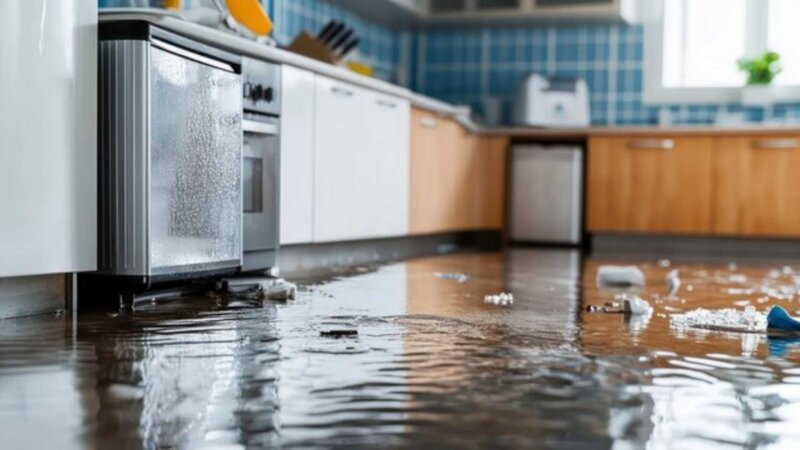
Discovering a pool of water in your kitchen is an obvious emergency, but the silent threat of moisture creeping behind your drywall or under your floorboards is often much more dangerous for Indiana homeowners. In the Greater Lafayette area, our homes face a unique set of challenges, from high humidity levels in the summer to the frozen pipe risks of a harsh Midwestern winter. Identifying the early signs of water damage restoration in Lafayette is not just about home maintenance; it is about protecting the structural integrity of your property and the health of your family. Many residents overlook the subtle shifts in their home’s environment, assuming a small stain or a faint smell is just a part of an aging house, but these are often the first warnings of a much larger issue lurking out of sight.
How can you tell if water is leaking behind a wall?
One of the most frequent questions homeowners ask involves detecting moisture that is trapped behind vertical surfaces like drywall or plaster. When a pipe develops a pinhole leak or window flashing fails, the water doesn’t always rush out; instead, it slowly saturates the interior of the wall cavity. This leads to hidden water damage indicators IN like the softening of the wall surface, which can feel spongy or “giving” when pressed lightly with a finger. Over time, the constant presence of moisture breaks down the cellulose in the drywall, causing it to lose its structural rigidity and eventually leading to visible bowing or sagging that indicates a serious internal failure.
If you notice that your paint is beginning to bubble or your wallpaper is peeling away from the surface in an irregular pattern, you are likely looking at the results of trapped humidity. As the moisture attempts to evaporate, it pushes against the outer layer of paint or adhesive, creating small blisters that eventually pop or flake away. This is a primary sign that you need water damage restoration services to address the root cause before the wooden studs inside the wall begin to rot. Ignoring these textures can lead to expensive reconstruction costs that far exceed the price of a simple leak repair and professional drying.
Recognizing the Subtle Flood Damage Signs
In many Lafayette neighborhoods, basements and crawl spaces are the first areas to succumb to rising water tables or heavy seasonal rains. You might not see a full flood, but subtle flood damage signs like efflorescence, a white, powdery salt deposit on concrete walls—indicate that water is consistently seeping through the foundation. This process, known as capillary action, can weaken the concrete over years of exposure. If you notice these white streaks accompanied by a damp feeling in the air, your home’s envelope has been compromised and requires immediate professional intervention to prevent total basement failure.
Another overlooked sign is a sudden change in the operation of your doors and windows throughout the house. When the wooden framing of a home absorbs excess moisture, the wood fibers swell and expand, causing doors to stick in their frames or windows to become difficult to slide open. Many people attribute this to the “settling” of the house, but in the humidity of a Tippecanoe County summer, it is often a sign of high internal moisture levels or a hidden leak. Monitoring how your home “moves” and reacts to the seasons is a critical part of early detection and long-term property preservation.
| Indicator Category | Common Sign | Potential Hidden Source |
| Visual | Yellow/Brown Ceiling Rings | Roof leak or upstairs bathroom plumbing. |
| Olfactory | Persistent Musty Odor | Mold growth behind baseboards or in insulation. |
| Auditory | Ticking or Dripping Sounds | Slow pipe leak inside a wall cavity. |
| Structural | Warped Floorboards | Slab leak or dishwasher supply line failure. |
| Financial | Unexpected Utility Spike | Continuous underground or behind-the-wall leak. |
Utilizing Moisture Detection Tips Lafayette Professionals Use
To truly protect your investment, you should adopt some of the moisture detection tips Lafayette experts use during a standard home inspection. One of the most effective methods is to regularly monitor your water meter during a period of zero usage. Turn off every faucet, dishwasher, and washing machine in the house, then record the numbers on your meter. Check it again after two hours; if the numbers have moved, you have an active leak somewhere in your plumbing system that is wasting water and damaging your home. This simple test is the best way to catch a “silent” leak before it manifests as a visible stain on your ceiling.
Physical touch is also a powerful diagnostic tool when walking through your home, especially in areas like under the kitchen sink or behind the toilet. Reach back into the corners of your cabinets to feel for dampness or a “tacky” feeling on the wood, which suggests a slow drip from a P-trap or supply line. If you are unsure about the severity of what you find, you can contact us to have a technician use professional-grade thermal imaging cameras. These cameras can “see” temperature differences behind your walls, pinpointing exactly where cold water is gathering without the need for invasive demolition or cutting into your drywall.
The Danger of Musty Odors and Microbial Growth
Your sense of smell is often more sensitive than your eyesight when it comes to detecting moisture in dark, enclosed spaces. A persistent, earthy, or musty odor that doesn’t go away with cleaning is a definitive sign of microbial volatile organic compounds (mVOCs) being released by mold. Mold only needs 24 to 48 hours to begin colonizing a damp surface, and once it takes hold in your attic insulation or behind your kitchen cabinets, it can significantly impact the air quality of your entire home. If you smell “wet basement” in your living room, there is a high probability that moisture is trapped nearby.
Health symptoms can also serve as an unintended indicator of hidden water issues in your Indiana residence. If family members experience unexplained sneezing, itchy eyes, or respiratory irritation while inside the home that clears up when they leave, you may be dealing with hidden mold growth. This is particularly common in Lafayette homes with crawl spaces, where high humidity can lead to “stack effect” issues, pulling contaminated air from under the house up into the living areas. Addressing the moisture source through proper water damage restoration lafayette is the only permanent solution to removing these allergens and restoring a healthy living environment.
Tracking Unexplained Increases in Utility Costs
Many homeowners first discover a problem not by looking at their walls, but by looking at their monthly budget. An unexplained spike in your water bill is a red flag that should never be ignored by Lafayette residents. Even a small, steady drip from a cracked pipe can waste hundreds of gallons of water over the course of a month, leading to a bill that is significantly higher than your typical seasonal average. If your habits haven’t changed, no extra guests, no filling the pool, and no excessive lawn watering, the extra cost is almost certainly paying for a leak that is currently saturating your home’s structure.
Comparing your current bill to the same month from the previous year is the most accurate way to spot these trends. While local water rates can fluctuate slightly, a jump of 20% or more without a clear cause justifies a full home inspection. Because water follows the path of least resistance, a leak in a second-floor bathroom might travel along a floor joist for twenty feet before it finally pools and creates a visible stain. This means the actual damage could be far away from where you eventually see the symptoms, making professional leak detection and thermal mapping essential for a complete and effective repair.
Frequently Asked Questions
What does water damage look like on a ceiling?
Water damage on a ceiling usually begins as a faint yellow or light brown stain that expands into a ring-like pattern. As the saturation continues, the drywall may begin to sag or bulge downward, and the paint may start to crack or flake off.
Can I detect a leak behind a wall without cutting it open?
Yes, professionals use non-invasive tools like infrared cameras and moisture meters to detect temperature variances and moisture content behind surfaces. Homeowners can also listen for faint dripping sounds or look for localized bubbling in paint or wallpaper.
Is a musty smell always a sign of water damage?
While a musty smell can sometimes be caused by poor ventilation, in the context of a home, it is almost always a sign of active mold or mildew growth. Since mold requires a moisture source to thrive, the smell is a strong secondary indicator of a hidden leak or high humidity.
How long does it take for hidden water damage to become serious?
Structural damage and mold growth can begin within 24 to 48 hours of initial exposure. If left unaddressed for weeks or months, the wood can begin to rot, and the mold can spread through the HVAC system, making the restoration process much more complex and expensive.
Why is my floor feeling spongy even though there is no water on top?
A spongy or “bouncy” feeling in your flooring usually means the subfloor, the wooden layer beneath your carpet or tile has become saturated and is beginning to rot or delaminate. This is often caused by a slow leak from a nearby appliance or a pipe running through the crawl space.
Conclusion
Detecting the common signs of hidden moisture requires a combination of vigilance and an understanding of how water interacts with different building materials. From the subtle bubbling of paint to the persistent scent of mildew, your home is constantly providing clues about its health. By staying proactive and utilizing local water damage restoration lafayette experts at the first sign of trouble, you can prevent minor leaks from evolving into catastrophic structural failures. Our team is dedicated to helping local residents identify and eliminate these hidden threats before they compromise your safety or your finances. At Guardian Angel Restoration, we bring years of experience and advanced technology to every inspection, ensuring that no leak stays hidden for long. If you suspect your home is harboring unwanted moisture, trust the professionals at Guardian Angel Restoration to provide a thorough assessment and a path back to a dry, healthy home.