
Every minute counts after a fire to safeguard lives and limit property loss. This guide offers a complete immediate fire damage response—covering personal and pet safety, securing your home, documenting losses, knowing when to call experts, salvaging belongings, tapping Central Indiana resources, and following a homeowner checklist. Backed by Guardian Angel Restoration’s veteran-led, 24/7 disaster recovery and IICRC-certified technicians, these steps prepare you for professional restoration with confidence and trust.
What Are the First Steps to Ensure Personal Safety After a Fire?
After flames are out, immediate fire damage response centers on protecting your household from hidden hazards and enabling swift mitigation. Ensuring everyone’s well-being prevents further injury and lays the foundation for effective property protection.
How Do You Prioritize Human and Pet Safety Immediately After a Fire?
Begin by confirming every person and pet is accounted for and moved to a secure area away from smoke and heat.
- Check for injuries and administer basic first aid to burns or smoke inhalation.
- Keep children and pets warm and calm, supplying water and blankets.
- Designate one family member to monitor emergency updates and relay information.
Securing everyone’s health first ensures first responders and restoration crews can focus on recovery.
Fire Damage and Health Risks
Exposure to smoke and soot after a fire can pose significant health risks, including respiratory issues and skin irritation. Proper protective measures, such as wearing masks and gloves, are crucial to minimize these health hazards. Additionally, understanding the potential dangers of re-entering a fire-damaged home is essential for personal safety.
U.S. Environmental Protection Agency, “After a Fire: Returning Home” (2024)
This source supports the article’s emphasis on personal safety and the importance of protective measures when dealing with fire damage.
When Is It Safe to Re-enter Your Home After a Fire?
Re-entry is safe only once fire authorities issue clearance and hazardous structures are stabilized. Local fire departments inspect for hotspots, gas leaks, and structural compromise before permitting access. Waiting for official approval prevents collapse, toxic exposure, and electrical risks, setting the stage for orderly damage assessment.
Who Should You Contact First: Emergency Services and Fire Authorities?
Immediately dial 911 or your local fire department non-emergency line to report the incident and request assistance. Contacting professional responders promptly coordinates rescue efforts and secures official documentation needed for insurance claims. Early notification also helps restoration teams like Guardian Angel Restoration’s fire damage restoration services mobilize quickly.
How Can You Protect Your Property from Further Damage Before Help Arrives?
Temporary fire repairs reduce the risk of burglary, weather intrusion, and secondary damage such as water pooling or mold growth. Prompt mitigation preserves structural elements and contents until professionals arrive.
What Are Emergency Board-Up Services and How Do They Secure Your Home?
Emergency board-up services involve boarding broken windows, doors, and roof openings with sturdy materials to prevent unauthorized entry, vandalism, and weather damage.
| Opening Type | Material Used | Protection Level |
|---|---|---|
| Window | Pressure-treated plywood | High – blocks intruders and rain |
| Door | Steel-reinforced panel | Very High – secures entry points |
| Roof Vent or Skylight | Marine-grade tarp and plywood | Moderate – shields against leaks |
Securing all openings quickly preserves interior conditions and enables restoration crews to focus on cleanup rather than repeated security repairs.
How Do You Prevent Water Damage and Mold Growth from Fire Suppression?
Fire suppression often leaves significant water behind, which promotes mold if unchecked.
- Remove standing water with mops, towels, or a wet-dry vacuum.
- Increase airflow by opening windows and running fans.
- Deploy a dehumidifier to lower humidity below 50%.
- Wipe metal and wood surfaces dry to prevent corrosion and rot.
Rapid water removal halts mold at its source and reduces long-term structural damage before water damage cleanup after fire begins.
Water Damage and Mold Growth
Water damage from fire suppression efforts can lead to mold growth if not addressed promptly. Removing standing water, increasing airflow, and using dehumidifiers are effective strategies to prevent mold. These actions are critical to mitigate further structural damage and health risks associated with mold exposure.
Centers for Disease Control and Prevention, “Mold and Health” (2023)
This citation reinforces the article’s guidance on preventing mold growth after a fire by highlighting the importance of water removal and moisture control.
What Are Safe DIY Steps for Initial Smoke and Soot Cleanup?
Light smoke residues can be reduced manually, easing final deodorization.
- Wear protective gear (gloves, mask, goggles) before handling soot.
- Use dry chemical sponges (absorbent soot sponges) to gently wipe surfaces without smearing.
- Vacuum loose soot with a brush attachment on low suction.
- Avoid water or cleaning agents on untreated soot, which can drive particles deeper.
These measures diminish surface residues, helping certified crews tackle persistent odor removal efficiently.
How Should You Document Fire Damage for Insurance and Restoration Purposes?

Accurate, detailed records strengthen insurance claims and guide restoration planning. Thorough documentation speeds approvals and ensures complete recovery.
What Is the Best Way to Photograph and Record Fire Damage?
Photograph each affected area systematically, starting with wide-angle shots of rooms and exteriors, then close-up images of structural damage and contents. Ensure even lighting, include objects of known size for scale, and date-stamp images.
- Capture before-and-after perspectives.
- Photograph ceiling, walls, floors, and hidden spaces like attics.
- Maintain a digital and physical copy of all photos.
A structured photo log demonstrates the full scope of loss to adjusters and restoration crews.
Why Is Obtaining a Fire Report Important for Your Insurance Claim?
A fire report provides an official account of the fire’s origin, extent, and firefighting measures. Insurance adjusters rely on this document to verify cause and covered losses. Without a fire report, claim approvals can face delays or denials, hampering both reimbursement and restoration scheduling.
How Can You Prepare for Communication with Insurance Adjusters?
Organize a comprehensive claim package before adjuster visits:
- Itemized inventory of damaged items with estimated values.
- Photo log and video walkthrough.
- Copy of the fire report and policy details.
- Receipts for temporary repairs (boarding, water extraction).
Clear, proactive communication accelerates settlement and aligns restoration timelines with insurance support.
When and Why Should You Call Professional Fire Damage Restoration Services?
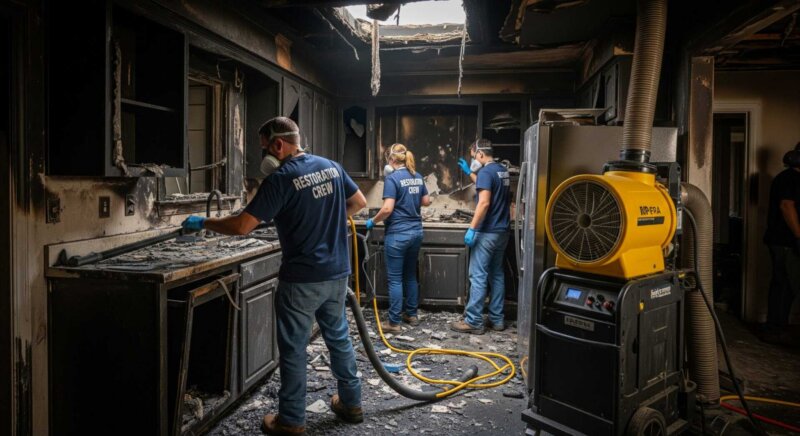
Professional restoration brings advanced equipment, industry-certified methods, and insurance coordination that DIY measures cannot match. Calling experts early reduces overall restoration time and costs.
What Services Does Guardian Angel Restoration Provide for Fire Damage?
Guardian Angel Restoration delivers a complete fire recovery package:
- 24/7 emergency response and board-up
- Water extraction and structural drying
- Soot, smoke, and odor removal
- Contents cleaning and deodorization
- Structural repair, reconstruction, and sanitization
Partnering with IICRC-certified technicians ensures safe, efficient mitigation and rebuild.
How Does Veteran-Led Care Enhance the Restoration Process?
Veteran-led care brings disciplined project management, clear communication, and respect for homeowners under stress. Years of service instill attention to detail, on-time performance, and an empathetic approach that rebuilds both property and peace of mind.
What Are the Signs That Indicate You Need Expert Structural Assessment?
Seek professional evaluation if you observe:
- Cracks wider than 1/8″ in load-bearing walls
- Sagging or uneven floors and ceilings
- Doors and windows that no longer close properly
- Discolored or warped support beams
Addressing these warning signs promptly prevents collapse and ensures restoration meets safety codes.
What Items Can You Salvage and How Should You Protect Important Documents?
Understanding what can be restored and safeguarding records minimizes total loss and preserves critical papers for recovery.
Which Personal Belongings Are Typically Salvageable After a Fire?
Many durable items survive fire and water damage when treated quickly:
- Cookware and metal utensils
- Glassware, ceramics, and porcelain
- Solid wood furniture with surface charring
- Electronic devices after professional cleaning
- Family heirlooms and photographs sealed in plastic
Prompt contents restoration preserves sentimental and functional items ahead of reconstruction.
How Do You Safeguard Important Documents Before Restoration Begins?
Protect vital records by placing them in sealable plastic bags, then in a fire-proof box or safe. If possible, move documents off-site or to an upper floor above water line. Label each container and keep a master list. This proactive step secures deeds, passports, insurance policies, and financial papers before any cleanup or repairs.
What Local Resources and Regulations Should Central Indiana Homeowners Know After a Fire?
Central Indiana offers specific contacts and guidelines to ensure compliance and fast support following a fire.
Which Local Fire Departments and Emergency Contacts Are Available in Central Indiana?
For immediate response, dial 911. Non-emergency contacts include:
- Indianapolis Fire Department (Non-Emergency: 317-327-4925)
- Carmel Fire Department (Non-Emergency: 317-571-2444)
- Fishers Fire Department (Non-Emergency: 317-595-3150)
- Plainfield Fire Territory (Non-Emergency: 317-839-1510)
Having these numbers at hand ensures swift coordination with authorities before and during restoration.
How Can Local Insurance Agents Assist with Fire Damage Claims?
Local agents clarify policy coverage, fast-track claim submissions, and recommend reliable restoration partners like Guardian Angel Restoration. They can schedule on-site visits, explain optional coverages (e.g., replacement cost vs. actual cash value), and liaise with adjusters to streamline approvals.
What Are the Key Items on a Fire Damage Restoration Checklist for Homeowners?
A structured checklist guides your immediate response, reduces oversight, and readies your home for professional recovery.
What Immediate Actions Should Be Included in a Post-Fire Emergency Checklist?
Your post-fire emergency checklist should cover:
- Ensure personal and pet safety.
- Shut off utilities (gas, electricity, water).
- Secure openings with temporary board-up.
- Document all damage with photos and notes.
- Contact 24/7 emergency board-up and professional restoration.
These steps create order amid stress and position you for a smooth handoff to experts.
How Can You Use This Checklist to Stay Organized Before Help Arrives?
Keep your checklist visible—on a clipboard or smartphone—and mark tasks as complete. Prioritize items that protect safety and property, and share updates with family or co-habitants. Staying organized reduces anxiety and ensures you don’t miss critical mitigation actions.
Taking these steps empowers you to limit damage, streamline insurance claims, and maintain control until full restoration begins. For expert support, Guardian Angel Restoration stands ready with 24/7 response and veteran-led care in Central Indiana.
Frequently Asked Questions
What Should You Do If You Smell Smoke After a Fire Has Been Extinguished?
If you smell smoke after a fire has been extinguished, it’s crucial to ensure that the area is safe before re-entering. Wait for fire authorities to confirm that the space is clear of hazards. Once cleared, ventilate the area by opening windows and doors to disperse smoke. Use fans to help circulate air, but avoid using electrical appliances until they have been inspected for damage. If the smell persists, consider contacting a professional restoration service for thorough smoke removal.
How Can You Identify Hidden Fire Damage in Your Home?
Hidden fire damage can often be detected by looking for signs such as discoloration on walls, warped surfaces, or unusual odors. Check for soot stains in areas not directly affected by flames, as smoke can travel and settle in unexpected places. Additionally, inspect electrical systems and appliances for signs of damage. If you suspect hidden damage, it’s advisable to consult with a professional restoration service that can conduct a comprehensive assessment and ensure all hazards are addressed.
What Are the Long-Term Effects of Fire Damage on Property?
Long-term effects of fire damage can include structural weakening, persistent odors, and health risks from smoke and soot residue. If not properly addressed, fire damage can lead to mold growth due to moisture from firefighting efforts. Additionally, untreated smoke damage can cause ongoing respiratory issues for occupants. It’s essential to engage professional restoration services to mitigate these risks and restore the property to a safe and livable condition, ensuring that all damage is thoroughly repaired.
How Can You Prevent Future Fires After Experiencing One?
To prevent future fires, conduct a thorough review of your home’s fire safety measures. Install smoke detectors on every level and test them monthly. Create and practice a fire escape plan with your family. Regularly inspect electrical systems and appliances for wear and tear, and avoid overloading circuits. Additionally, keep flammable materials stored safely away from heat sources. Educating your household about fire safety can significantly reduce the risk of future incidents.
What Resources Are Available for Fire Victims in Central Indiana?
Fire victims in Central Indiana can access various resources, including local disaster relief organizations, community support groups, and government assistance programs. Organizations like the American Red Cross provide emergency shelter and recovery assistance. Additionally, local churches and community centers often offer support services. It’s beneficial to connect with local fire departments for information on available resources and assistance tailored to your specific needs following a fire incident.
How Can You Ensure Your Home is Fire-Resistant After Restoration?
To enhance your home’s fire resistance post-restoration, consider using fire-retardant materials for roofing, siding, and insulation. Install fire-resistant doors and windows, and maintain a defensible space around your property by clearing flammable vegetation. Regularly inspect and maintain heating systems and electrical wiring to prevent potential fire hazards. Additionally, consider installing a home sprinkler system for added protection. These proactive measures can significantly reduce the risk of future fire damage.
Conclusion
Taking proactive steps after a fire can significantly limit damage and streamline the recovery process, ensuring the safety of your loved ones and property. By following the outlined strategies, you can effectively document losses and prepare for professional restoration with confidence. For expert support tailored to your needs, consider reaching out to Guardian Angel Restoration for immediate assistance. Together, we can help you navigate this challenging time and restore your home to its former state.