
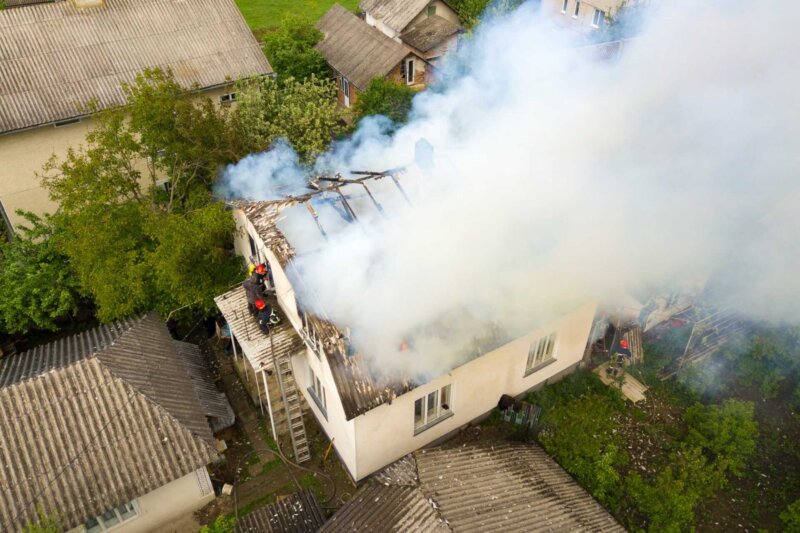
Experiencing a fire in your home is devastating, and the aftermath can be overwhelming. Beyond the visible damage caused by flames, soot and smoke can leave lingering effects that require immediate attention. These residues can seep into walls, furniture, and other belongings, posing health risks and further damaging your property if not addressed promptly.
Taking the right steps to clean up soot and remove smoke odors is crucial for restoring your home. It’s important to act quickly to prevent soot from permanently staining surfaces and to eliminate the smoky smell that can make living spaces uncomfortable. Knowing how to handle these post-fire challenges effectively can help you reclaim your home and peace of mind.
Addressing soot and smoke requires a combination of proper assessment, safe cleaning techniques, and preventive measures. By understanding what needs to be done, you can tackle these issues systematically and efficiently. Let’s explore how to deal with soot and smoke after a fire, ensuring your home is safe and healthy once again.
Assessing the Damage
After a fire, the first step is to assess the extent of the damage. Begin by examining all areas affected by smoke and soot. Check the walls, ceilings, and floors for discoloration and soot buildup. Soot can be fine and powdery or sticky and greasy, depending on what burned. Identifying the type of soot will help determine the best cleaning methods.
Next, inspect furniture, appliances, and personal belongings. Smoke can penetrate porous materials like fabric and wood, leaving behind a stubborn odor and contamination. Take note of items that can be salvaged and those that might need professional cleaning or replacement. Wearing protective gear such as gloves and a mask during this inspection is vital to avoid inhaling harmful particles.
Document the damage with photos and a detailed list for insurance purposes. This can also help restoration professionals understand the scope of work needed. A thorough assessment sets the stage for a successful cleanup and ensures that no area is overlooked during the restoration process.
Cleaning Up Soot Safely
Cleaning up soot can be a hazardous task, requiring the right approach to ensure safety and effectiveness. Start by ventilating the area. Open windows and use fans to blow out dust and fumes while you work. This improves air quality and reduces the risk of inhaling soot particles.
Wear appropriate protective gear, including gloves, masks, and safety goggles. Soot particles can irritate the skin and respiratory system. Use a vacuum with a HEPA filter to remove loose soot from surfaces. Regular vacuums can blow soot back into the air, so it’s important to use the right equipment. Avoid using water or cleaners directly on soot-covered surfaces, as this can make the damage worse.
For hard surfaces like walls and countertops, use a dry sponge or soot sponge to wipe away the residue. These sponges are specially designed for soot removal and do not require water. After removing as much soot as possible with dry methods, you can use a mild detergent solution to clean the remaining stains. Always test a small area first to ensure it does not damage the surface. Using these methods helps to safely and effectively clean up soot, preparing your home for the next steps in the restoration process.
Removing Smoke Odors
Getting rid of smoke odors can be challenging, as the smell often lingers in fabrics, walls, and other surfaces. Start by ventilating your home thoroughly. Open windows and use fans to increase airflow and help dissipate the odor. Air purifiers with HEPA and activated carbon filters can also be effective in reducing smoke particles in the air.
Next, focus on cleaning all surfaces that may have absorbed the smoke. Wash curtains, upholstery, and bedding with a mixture of vinegar and water to neutralize odors. For items that cannot be washed at home, consider professional cleaning services that specialize in smoke damage. Scrub walls, floors, and countertops with a solution of water and baking soda or a mild detergent that is safe for the surfaces in your home.
Deodorizing items like baking soda and activated charcoal can help absorb odors from smaller items and enclosed spaces. Place bowls of these substances around the affected areas and leave them out for several days. For more persistent odors, ozone generators and thermal foggers can be used but should be handled by professionals due to their complexity and potential risks. These steps can help effectively remove the smoke smell, making your home fresher and more comfortable.
Preventing Further Damage
To prevent further damage after a fire, it’s essential to take immediate action. First, address any water damage caused by firefighting efforts. Dry out the affected areas with fans, dehumidifiers, and proper ventilation to inhibit mold growth. Mold can start to grow within 24-48 hours, so swift action is crucial.
Protect your belongings by removing them from the damaged area. Store them in a safe, dry place to prevent further contamination. If some items are heavily soot-covered or water-damaged, consider disposing of them if they cannot be effectively cleaned or restored. Cover any openings like broken windows or damaged roofs with tarps or plywood to prevent weather-related damage and secure your home from potential intruders.
Regularly inspect your home for any signs of lingering issues, such as mold or structural damage, that might have been missed initially. Address these promptly to avoid long-term problems. Keeping a close eye on these areas helps ensure that your home remains safe and reduces the need for future extensive repairs. By taking these preventive measures, you can safeguard your home from further damage and ensure a smoother recovery process.
Conclusion
Dealing with the aftermath of a fire involves more than just putting out the flames. Assessing the damage, cleaning up soot, removing smoke odors, and preventing further damage are critical steps to restore your home and ensure it remains safe. Each task requires careful attention and the right approach to be effective.
Taking these actions not only helps restore your living space but also provides peace of mind, knowing that your home is safe for your family. The sooner you address these issues, the better your chances of minimizing long-term damage and health risks.
For professional help with fire damage restoration in Indianapolis, contact Guardian Angel Restoration. Our team of experts is ready to assist you in bringing your home back to its original state. Let us guide you through the process and ensure your home is safe and comfortable once again.