
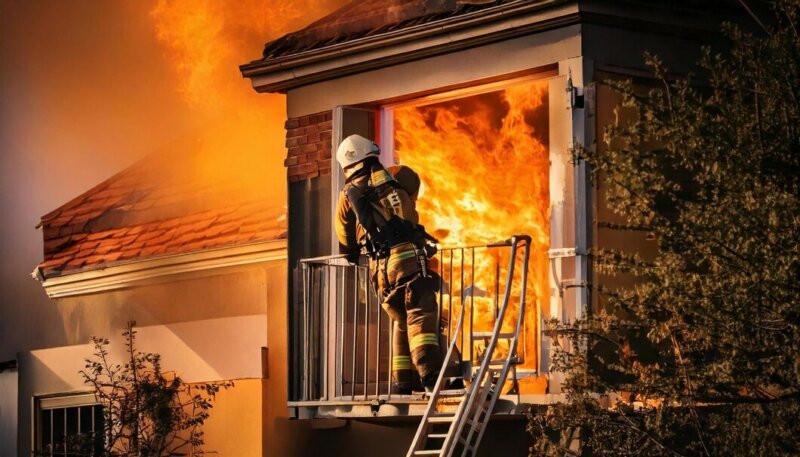
Experiencing a house fire is scary and stressful. Once the flames are out, you’re left wondering what to do next. Cleaning up after a house fire is a critical step in getting your home back to normal. It requires careful planning and strong focus to ensure everything is done safely and properly.
The aftermath of a fire can leave your home damaged, smoky, and full of debris. Before diving into the cleanup, it’s important to assess the damage and make sure the area is safe. This helps prevent further harm and allows you to move forward with confidence.
With the right methods, you can tackle the soot, residue, and odors that linger after a fire. Each step in the cleanup process is essential to making your home safe and livable again. In this article, we’ll explore effective strategies for addressing the challenges that come with fire cleanup, helping you restore your home.
Assessing the Damage and Ensuring Safety
After a house fire, assessing the damage is your first step. Safety is very important. Begin by carefully inspecting the structure. Look for weak spots, fallen debris, or anything that may pose a hazard. Always wear protective gear like gloves, masks, and sturdy shoes during this process.
Next, contact your local fire department. They will confirm that the area is safe to enter. This ensures you are not putting yourself in danger from hidden fire risks or structural issues. It’s also an ideal time to discuss any electrical or gas concerns. Turn off utilities until the area is deemed secure to prevent any accidents.
It’s crucial to move cautiously through the home, noting water damage from firefighting efforts and any visible structural problems. Keep a log or take photos of the damage for insurance claims. This documentation helps in communicating with adjusters and restoration professionals.
Remember to shift any valuable or sentimental items to a safe location if possible. These might include photographs or important documents that are salvageable. Organizing these items now helps make the restoration process more manageable later.
Removing Soot and Residue Effectively
Once it’s safe, you can start tackling soot and residue. These byproducts of fire can be sticky and stubborn. They not only look unsightly but can also have harmful effects on health and surfaces if not properly cleaned.
Start by cleaning visible soot with a vacuum. Use a vacuum with a HEPA filter to capture fine particles and avoid spreading soot. Do not use a standard vacuum, as it may worsen the spread. Hold the nozzle gently over surfaces without pressing it down firmly, which could push soot into fabrics or porous materials.
Next, utilize dry sponges to wipe surfaces like walls and ceilings. These sponges are specially designed for soot removal. Move them in one direction to avoid smearing soot across the surface. For heavily soiled areas, a mild detergent mixed with water can help lift stubborn residue.
Hard surfaces like metal and glass can be cleaned with a mild detergent and a soft cloth. Be sure to rinse them after washing, so soap residue doesn’t attract dust. By systematically addressing soot and residue, you lay the groundwork for a cleaner, healthier living space post-fire.
Deodorizing and Eliminating Smoke Odors
Once soot and residue are gone, the next step is to tackle any lingering smoke odors. These smells can be persistent, seeping into furniture, carpets, and even the walls. Start by increasing ventilation. Open windows to let fresh air circulate and help disperse smoke particles that hover in the air.
Activated charcoal is a natural odor absorber. Place bowls of activated charcoal around the house, especially in rooms with strong odors. Its micro-porous structure helps trap odor-causing particles, freshening up the air over several days.
Another effective method is to use white vinegar. Just like how it handles household odors, vinegar can neutralize smoke smells. Leave bowls of vinegar in affected areas or wipe down surfaces with a 1:1 vinegar and water solution to combat persistent scents.
Consider using an air purifier with a HEPA filter for thorough odor removal. These devices filter out smoke particles, cleansing the air better than standard filters. By focusing on these deodorizing methods, you can swiftly restore your home’s fresh scent and comfort.
Restoring and Preventing Future Damage
After deodorizing, the final step is to restore your home and ensure future protection. Begin by repairing structural damage and replacing any materials that were too severely damaged to salvage. This might include drywall, insulation, or even flooring.
Once the repairs are complete, repainting can help seal walls and create a fresh start. Use paints designed to block odors and stains for the best results. These paints add an extra layer of protection against any residual smells.
To prevent future issues, install smoke detectors in strategic areas around your home. Regularly check and maintain them to ensure they are working properly. Additionally, consider using flame-retardant materials when feasible for added safety.
Regular maintenance and inspections will help prevent future fires and other damages. By taking these actions, you can safeguard your home and family, keeping them safe and preventing a repeat of such incidents.
Conclusion
Cleaning up after a house fire involves several crucial steps, each aimed at restoring comfort and safety to your home. By assessing the damage, removing soot, eliminating odors, and making necessary repairs, you pave the way to recovery. With proper measures and care, your home can become a safe haven once more.
When dealing with fire damage, professional help can make a world of difference. Guardian Angel Restoration is ready to step in and assist you in this challenging process. From cleanup to restoration, our experts support you every step of the way. Contact us today to learn how our fire damage restoration services can help make your home a secure and welcoming space again.