

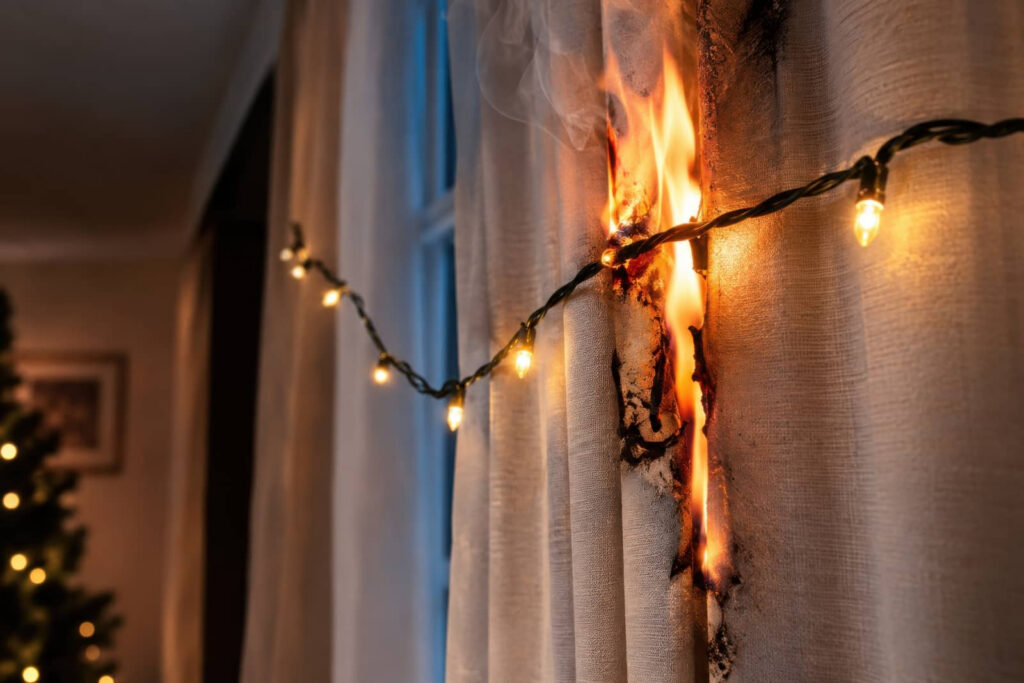
If you’re facing fire damage, you’ll want a clear sense of what restoration may cost and what’s included. Prices can start in the low thousands and rise fast when smoke, water, and structural damage spread. You can expect inspection, debris removal, cleanup, drying, and repairs, but every job shifts with severity, materials, and timing. Insurance may help, yet the details matter more than you might think.
Understanding the cost of fire restoration services helps you plan your next steps with confidence. This guide breaks down the cost of fire restoration services and the factors that change pricing. Learn more about our fire damage restoration services.
Key Takeaways
- Fire restoration costs range from a few thousand dollars to much more for severe damage, depending on the affected areas.
- Costs rise with smoke, soot, hidden residue, water damage, difficult access, and emergency or weekend service needs.
- Typical services include inspection, board-up, debris removal, water extraction, soot cleanup, deodorization, and structural drying.
- Insurance may cover cleanup and repairs, but deductibles apply, so review your policy and document losses early.
- Expect a detailed assessment, written estimate, progress updates, and protection of unaffected areas throughout restoration.
How Much Does Fire Restoration Cost?
How much does fire restoration cost? You can expect the cost of fire restoration services to vary, but a typical job often falls between a few thousand dollars and much more for severe loss.
You’ll usually pay for assessment, debris removal, soot cleanup, odor control, and repairs to damaged materials. If you act quickly, you may limit secondary damage and keep bills lower.
Your restoration team should explain each step, so you know what’s happening and why. Ask for a written estimate, and review what’s included before work starts.
You’re not facing this alone; a qualified crew can guide you through the process, protect your property, and help you move from damage to recovery with confidence and clarity.
Most property owners want a clear number, but the cost of fire restoration services depends on many details. Room size, materials, and the amount of smoke and water damage all shape the cost of fire restoration services. A professional inspection is the best way to get an accurate picture of the cost of fire restoration services for your property.
What Factors Change Fire Restoration Costs?
Several factors can raise or lower fire restoration costs, even when the damage looks similar at first glance. Your total often depends on how far smoke, soot, and heat traveled, because hidden residues can spread into walls, ducts, and belongings.
You’ll also see higher costs when water from firefighting needs drying and mold prevention, or when structural materials need replacement instead of cleaning. Access matters too: tight spaces, upper floors, and complex layouts take more labor.
If you need emergency response, weekend work, or odor removal for sensitive items, pricing can rise further. The size of your space, the speed of your call, and local labor rates also shape the final number.
When you understand these variables, you can plan confidently and stay in control together.
What’s Included in Fire Restoration Services?
Fire restoration services typically start with a detailed inspection, then move into emergency board-up, water extraction, smoke and soot removal, debris disposal, cleaning, deodorization, and structural drying.
You’ll usually get a coordinated team that documents damage, protects safe areas, and stabilizes your property fast. Technicians may clean salvageable contents, remove corrosive residue from surfaces, and treat porous materials that hold odor and contamination.
They’ll also check hidden moisture, monitor humidity, and use air scrubbers or dehumidifiers to reduce secondary damage. The goal is to return your space to a safe, livable condition while keeping the process organized and clear.
When you know what’s included, you can work with confidence and feel less alone during recovery.
How Does Insurance Lower Fire Damage Costs?
Insurance can greatly reduce your out-of-pocket fire restoration costs by covering cleanup, repairs, and replacement expenses that would otherwise come straight from your budget.
You’ll usually pay less when your policy includes dwelling, personal property, and additional living expense coverage. These benefits can offset structural repairs, soot-related damage, and temporary housing costs, which helps you stay financially steady during recovery.
Your deductible still applies, so review it early to estimate your share. You should also document losses with photos, receipts, and inventory lists to support your claim and avoid delays.
Working closely with your insurer and restoration provider can help you maximize coverage, reduce surprises, and keep your recovery plan aligned with what your policy actually pays.
What Happens During Restoration?
Once the site is safe to enter, the restoration team starts with a damage assessment, then moves into debris removal, water extraction if firefighters used hoses, soot and smoke cleaning, odor control, and structural drying.
You’ll see technicians isolate salvageable materials, pack out contents, and document losses for your claim. They may remove drywall, insulation, or flooring that can’t be cleaned.
HEPA air scrubbers and thermal drying equipment help reduce contamination and hidden moisture.
Throughout the process, you’ll get updates on scope, timing, and any cost changes tied to hidden damage.
The goal is to stabilize your property quickly, protect your health, and prepare the space for repairs.
You’re not steering through this alone; a good team keeps you informed and supported.
The cost of fire restoration services depends on the size of the loss, the type of damage, and how quickly work begins. Getting a written estimate helps you understand the cost of fire restoration services before work starts. Guardian Angel Restoration explains the cost of fire restoration services clearly and can guide you through the insurance claims process.
Frequently Asked Questions
How Long Does Fire Smell Removal Usually Take?
You’re usually looking at one to several days, but smoke odor removal can take longer if soot, porous materials, or hidden cavities remain. You’ll get faster results with prompt cleaning, ventilation, and professional deodorization.
Can Fire-Damaged Belongings Be Restored or Must They Be Replaced?
You can often restore fire-damaged belongings, but you’ll replace items with severe heat, smoke, or water damage. Technicians assess salvageability, clean contents, and deodorize materials. You’ll keep more when you act quickly and document everything.
Do I Need to Move Out During Restoration?
You may need to move out, and smoke can make your home feel like a lab in chaos. If crews isolate rooms, you can sometimes stay; if structural damage or toxins linger, you’ll likely relocate temporarily.
Are Temporary Repairs Included in Fire Restoration Pricing?
Yes, temporary repairs often’re included if you need to secure your home, but you’ll usually see them itemized separately. You should ask for a detailed estimate so you’re clear on coverage, scope, and follow-up work.
How Soon Should Fire Cleanup Begin After the Incident?
You should begin fire cleanup within 24 to 48 hours, ideally sooner. You’ll limit smoke staining, corrosion, and odor, and you’ll protect your structure. Contact a restoration team immediately to assess, secure, and start mitigation.
Review
Fire restoration costs can start at a few thousand dollars and rise quickly with severe damage, so you should get a written estimate before work begins. Insurance often covers much of the expense, which can reduce your out-of-pocket cost. In fact, many restorations begin with inspection, water extraction, and smoke cleanup, then move to deodorization and drying. If you act fast, you can limit secondary damage and keep expenses lower.