You might think a small leak can wait, but water damage can spread fast. Emergency water mitigation services stop that damage before it weakens materials, feeds mold, or turns a simple fix into a major repair. If you see stains, swelling, standing water, or smell mildew, you need to act now. The next step depends on the source, and some situations demand immediate shutdowns.
Key Takeaways
- Emergency water mitigation stops active water intrusion, extracts standing water, and begins drying to limit structural damage.
- Call immediately for burst pipes, flooding, sewage backups, or any leak you cannot isolate or control.
- Signs you need help now include spreading stains, warped floors, musty odors, bubbling paint, and damp carpets.
- Shut off the main water supply, turn off power to wet areas, and keep people and pets away from affected spaces.
- Choose a licensed, insured company with 24/7 response, moisture mapping, dehumidification equipment, and written estimates.
What Is Emergency Water Mitigation?
Emergency water mitigation is the rapid process of stopping water intrusion and limiting further damage after a leak, flood, burst pipe, or other water emergency.
Emergency water mitigation quickly stops intrusion and limits damage after leaks, floods, burst pipes, and other water emergencies.
You act quickly to protect your home, belongings, and structure from worsening conditions. The process can include source control, water extraction, drying, dehumidification, and cleanup of affected materials.
You’re not handling this alone; trained technicians use specialized tools to stabilize the space and reduce the risk of secondary damage.
If you’re searching for emergency water mitigation services near me, you want a team that responds fast and works methodically.
This service gives you a clear path forward, restores control, and helps you feel supported during a stressful event.
Signs You Need Water Mitigation Now
When should you call for water mitigation? You should act now if you see spreading stains, warped flooring, bubbling paint, or persistent musty odors.
These signs mean moisture may be trapped in walls, subfloors, or insulation, and damage can advance fast. If you notice damp carpet, condensation on surfaces, or discoloration around baseboards, your structure may already be compromised.
You don’t need to guess alone; quick inspection helps you protect your space and keep your home feeling safe and cared for. A rapid response also limits mold growth and secondary repairs.
If materials stay wet longer than a day, call in help. Early mitigation supports your property, your routine, and your peace of mind.
Call for Burst Pipes or Leaks
If you’ve got a burst pipe or active leak, shut off the main water supply right away to stop further damage.
Then inspect for hidden pipe leaks in walls, ceilings, and under flooring, since water can spread beyond the visible source.
If you can’t isolate the issue quickly, call emergency water mitigation services to protect your property.
Stop Active Water Flow
Shut off the water supply immediately to stop a burst pipe or active leak from causing further damage.
Find the main valve and turn it clockwise until it stops; if you can’t reach it safely, use the nearest fixture shutoff.
Then cut power to wet areas only if water has reached outlets, appliances, or the breaker panel.
Keep people and pets clear of the affected space.
You’re doing the right thing by acting fast, because every minute can expand damage and increase repair costs.
If the flow doesn’t stop, or the valve sticks, call emergency water mitigation services right away.
A trained team can secure the source, protect your property, and help you regain control with confidence and support.
Inspect Hidden Pipe Leaks
Even after you stop the visible flow, a hidden pipe leak can keep feeding water into walls, ceilings, or flooring.
You need to inspect baseboards, cabinet bottoms, crawl spaces, and attic runs for dampness, staining, swelling, or a musty odor.
Check your water meter; if it moves while fixtures stay off, you likely have an active leak.
Listen for hissing, dripping, or running water inside walls.
If you see a bulge, crack, or sudden pressure drop, call for burst-pipe help right away.
Quick action limits structural damage, mold growth, and electrical risk.
You’re not dealing with this alone—trained mitigation crews can trace the source, dry hidden cavities, and protect your home’s next steps with clear guidance.
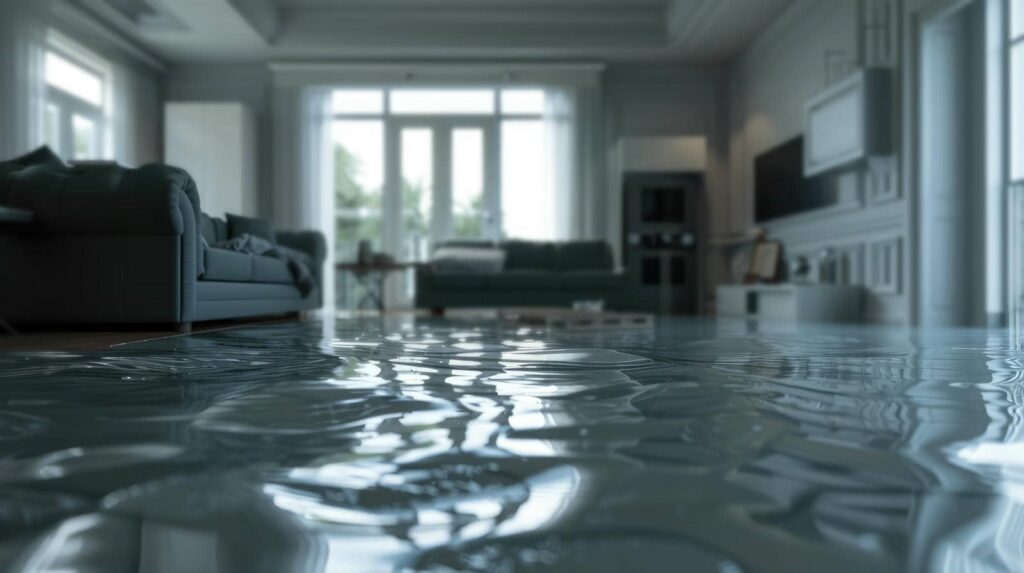
Act Fast After Flooding
After flooding, you need to act quickly to limit structural damage, mold growth, and moisture absorption. You’re not alone in this; fast action protects your home and helps your crew stay ahead of repairs.
Shut off water if you can do so safely, then call emergency water mitigation services right away. Document the affected rooms, then start removing standing water with pumps or wet vacs. Increase airflow with fans and dehumidifiers to lower humidity and slow material breakdown.
Move furniture, rugs, and boxes off wet floors.
Lift baseboards or open cabinets to expose trapped moisture.
Monitor walls, flooring, and insulation for softening or staining.
The sooner you respond, the better your chance of limiting costly hidden damage and restoring a dry, stable space.
Handle Sewage Backups Safely
When flooding involves contaminated water, you need to treat it as a sewage backup and respond with extra caution.
Stay out of standing water, because it can contain bacteria, viruses, and sharp debris. Shut off electricity to affected rooms if you can do so safely, and keep children and pets away.
Wear rubber boots, gloves, and a mask if you must enter the area briefly. Don’t use sinks, toilets, or drains until you know the line is clear.
Ventilate the space only if the air is safe to breathe. Bag contaminated items separately, and wash hands well after any contact.
If wastewater keeps returning, or the odor is strong, call for emergency help right away. You deserve a clean, safe home, and quick action helps protect it.
What Water Mitigation Teams Do
Water mitigation teams quickly assess the damage, stop the source of water, and begin extracting standing water to limit further loss. You’ll get a coordinated response that protects your home and keeps you informed.
Water mitigation teams act fast to assess damage, stop the source, and extract standing water to reduce further loss.
They use specialized tools to remove water, document affected areas, and map moisture in materials and hidden cavities.
They isolate unsafe areas and set up equipment.
They monitor progress and adjust methods as conditions change.
They communicate clear next steps so you know what’s happening.
You’re not left guessing; the crew works with you, answers questions, and helps you feel in control.
This approach reduces disruption, supports faster recovery, and gives your space the professional attention it needs.
Why Quick Drying Stops Mold
Fast drying cuts off the moisture mold needs to grow, so the sooner you dry wet materials, the lower your risk of contamination.
When you act fast, you keep damp surfaces from staying in the ideal range for spores to settle and spread. You also reduce the time microbes have to colonize porous items like drywall, carpet, and insulation.
Professional drying uses airflow, dehumidification, and moisture monitoring to pull water out before hidden pockets linger. That matters because mold can start within 24 to 48 hours.
If you’re dealing with a leak, flood, or overflow, prompt drying helps you stay ahead of the problem and keep your space healthier. You’re not overreacting when you respond quickly—you’re protecting your home, your comfort, and your peace of mind together.
How Water Mitigation Protects Your Structure
Emergency water mitigation protects your structure by removing excess moisture and drying affected materials before they weaken framing, drywall, and flooring.
You control moisture damage early, which helps preserve structural integrity and limit costly repairs.
It also reduces conditions that support mold growth, so your property stays safer and more stable.
Structural Drying
Structural drying removes trapped moisture from walls, floors, framing, and subfloors before it can weaken your building or create mold risk.
You get a controlled process that helps your property recover with less disruption, and you’re not left guessing about hidden dampness. Technicians measure conditions, then use targeted airflow and dehumidification to pull moisture from materials efficiently.
You protect structural components before swelling or deterioration starts.
You support faster, more complete drying across affected areas.
You stay connected to a team that knows how to restore stability.
With prompt drying, you’re helping your space return to normal in a safe, technical, and dependable way.
That’s what smart mitigation looks like for your home or business, and you belong in that solution.
Moisture Damage Control
When moisture gets into your building, water mitigation helps limit how far the damage spreads by removing water quickly, stabilizing affected materials, and reducing the conditions that lead to warping, rot, and mold.
You protect drywall, framing, subfloors, and insulation by lowering surface and hidden moisture before it can weaken their structure. Technicians assess saturation levels, extract standing water, and use controlled airflow and dehumidification to bring materials back within safe ranges.
This process also helps preserve finishes and keeps repairs focused instead of widespread. When you act fast, you’re not just limiting loss—you’re helping your property stay sound, clean, and ready for the next step.
With the right response, you’re part of a team that restores stability efficiently and confidently.
Mold Growth Prevention
By removing excess moisture quickly, water mitigation helps stop mold before it can take hold in walls, floors, and hidden cavities. You protect your structure by lowering humidity, drying materials fast, and removing contaminated items before spores spread.
This process also limits warping, staining, and odor, so your space feels safe again.
Extract standing water right away.
Dry surfaces with air movers and dehumidifiers.
Inspect sealed areas for trapped dampness.
You don’t have to manage this alone. When you call trained mitigation specialists, they use meters and thermal tools to find hidden moisture and verify dry conditions.
That means you can trust the repair path, reduce long-term risk, and keep your property healthy for everyone who belongs there.
What to Do Before Help Arrives
If water is entering your property, shut off the source if you can do so safely, then turn off electricity to affected areas and move people and valuables away from the water.
Next, contain spread with towels, buckets, or plastic barriers, but don’t walk through standing water if outlets or appliances may still be live.
Open windows if weather allows to improve airflow and lower humidity.
Take quick photos of damaged rooms, flooring, and belongings for your records.
Remove small rugs, paper items, and lightweight fabrics that you can dry safely.
Keep pets and children out of the area.
Stay alert for sagging ceilings, odors, or wall changes, since these signal hidden damage.
You’re doing the right things now, and fast action helps protect your home and everyone in it.
How to Choose a Water Mitigation Company
Choosing the right water mitigation company starts with checking for rapid response, proper licensing, and proven experience with water damage. You want a team that answers fast, explains the process clearly, and protects your home like it’s part of their own community.
Choose a water mitigation company with rapid response, proper licensing, and proven water damage experience.
Verify certification, insurance, and local permits before you sign anything.
Ask how they measure moisture, remove standing water, and prevent mold growth.
Confirm they provide written estimates, photo documentation, and direct communication.
Look for 24/7 availability, transparent pricing, and technicians who use calibrated meters and commercial-grade drying equipment.
A reliable company won’t rush you; it’ll guide you with confidence and respect. When you choose well, you reduce stress, limit secondary damage, and feel supported during a tough moment.
Frequently Asked Questions
Does Homeowners Insurance Cover Emergency Water Mitigation?
Usually, yes—if the water damage comes from a sudden covered event, you’re often covered. You’ll need to act fast, document everything, and check your policy’s exclusions, deductible, and mitigation requirements.
How Long Does Water Mitigation Usually Take?
Usually, you’ll spend 3-7 days drying, but severe damage can take longer. You’ll get faster results when you act quickly, and crews use dehumidifiers, air movers, and moisture meters to restore your space.
Can I Stay in My Home During Mitigation?
Yes, you can sometimes stay home during mitigation if the damage is contained. You’ll need to avoid affected rooms, follow safety guidance, and make sure power, air quality, and structural conditions stay safe.
What Equipment Do Mitigation Crews Typically Use?
You’ll usually see about three core tools: industrial dehumidifiers, high-velocity air movers, and moisture meters. You’ll also get extractors, sanitizers, and HEPA air scrubbers, so you can feel confident your team’s controlling damage fast.
How Soon Should I Document Water Damage for Claims?
You should document water damage immediately, ideally within minutes. You’ll strengthen your claim by taking photos, videos, and notes before cleanup starts. Keep receipts, list affected items, and notify your insurer promptly for faster processing.
Conclusion
When water enters your space, you don’t need to wait and hope for the best. Calling emergency water mitigation services quickly helps you address the issue before it quietly becomes a much larger concern. With prompt extraction, controlled drying, and careful monitoring, you can protect your structure, reduce the chance of mold, and preserve what matters most. Act early, stay calm, and let trained professionals restore order with precision and care.