
Experiencing a flood in your house is overwhelming and can leave you feeling lost about what to do next. Floodwater can cause significant damage to your property and create serious health risks if not handled properly. The immediate aftermath requires quick and decisive actions to ensure your safety and to minimize further damage to your home. Knowing the key steps to take after a flood helps you manage the situation more effectively and protects your home from long-term problems.
Ensuring Safety and Turning Off Utilities
The first thing to do after a flood is to ensure everyone’s safety. Floodwaters can be dangerous, often containing contaminants and posing risks of electrical shock or gas leaks. Make sure all family members and pets are accounted for and in a safe, dry location. Avoid wading through the floodwaters if possible, especially if you cannot see what’s beneath the surface.
Next, you need to turn off all utilities to prevent further hazards. Locate your home’s main electrical panel and shut off the power. Water and electricity are a dangerous mix, so ensure there’s no power running through your home while it’s flooded. Also, if you smell gas or suspect a leak, turn off the gas supply and contact your utility provider immediately. It is crucial to handle utilities promptly to avoid accidents or additional damage.
Documenting the Damage for Insurance Claims
Once everyone is safe and utilities are turned off, the next step is to document the damage. This step is vital for your insurance claims process. Start by taking detailed photos and videos of all the affected areas. Capture images of damaged floors, walls, furniture, and personal belongings. The more detailed your documentation, the better your chances of receiving the compensation you need for repairs.
Make a list of damaged items, including their descriptions and approximate values. Note when and where you purchased them, if possible. Keep all receipts related to flood expenses, such as temporary housing, food, and repairs. This documentation will help support your claim and provide a clear record of the extent of the damage. Contact your insurance company as soon as possible to start the claims process, providing them with the information and evidence you’ve gathered. Accurate and thorough documentation is key to navigating insurance claims smoothly.
Removing Water and Drying Out the Home
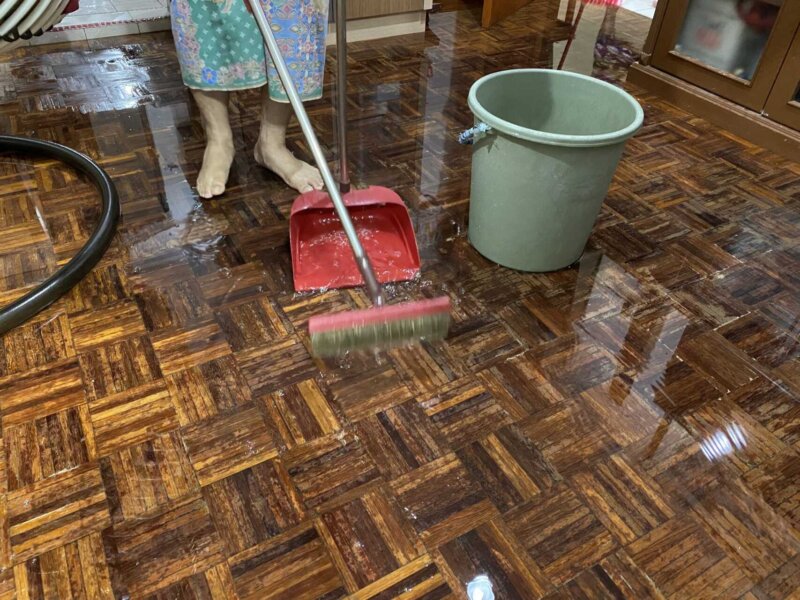
After documenting the damage, the next essential step is to remove any standing water from your home. Acting quickly is crucial because the longer water sits, the more damage it can cause. Start by using pumps, wet/dry vacuums, or buckets to remove the water. Open all doors and windows to allow fresh air to circulate and speed up the drying process. Fans and dehumidifiers can also help remove moisture from the air and dry out wet areas more effectively.
Pay special attention to hidden areas such as under carpets, behind walls, and inside cabinets. These spots can retain moisture and create ideal conditions for mold growth. If possible, remove wet flooring, drywall, and insulation to ensure the underlying areas can dry completely. Remember, the goal is to remove as much water and moisture as possible to prevent further damage and create a safe environment for restoration work.
Preventing Mold Growth and Sanitizing Affected Areas
One of the most critical tasks after removing water is to prevent mold growth. Mold can start growing within 24 to 48 hours of water exposure, so thorough and prompt action is needed. Begin by cleaning and disinfecting all affected surfaces to kill any existing mold spores. Household cleaners or specialized mold removal products can be effective for this step. Ensure that all areas are completely dry before moving on to the next task to stop mold from establishing itself.
Sanitizing your home is equally important to eliminate bacteria and other contaminants that may have come with the floodwaters. Scrub surfaces with soap and clean water, and then disinfect with a bleach solution or an appropriate cleaner. Wear protective gear such as gloves and masks during this process to safeguard yourself from harmful fumes or spores. Keeping your home clean and dry is vital to prevent mold and ensure a healthy living environment for you and your family.
Conclusion
Handling a flood in your house requires swift and informed action. Prioritizing safety by turning off utilities, documenting damage for insurance claims, removing water, and taking steps to prevent mold growth are all essential steps. Each of these tasks plays a crucial role in restoring your home and preventing further damage.
If you’ve experienced flooding and need expert assistance, Guardian Angel Restoration is here to help. We serve the greater Indianapolis area and specialize in effective flood damage restoration services. Contact Guardian Angel Restoration today to ensure a safe and thorough recovery process for your home.