
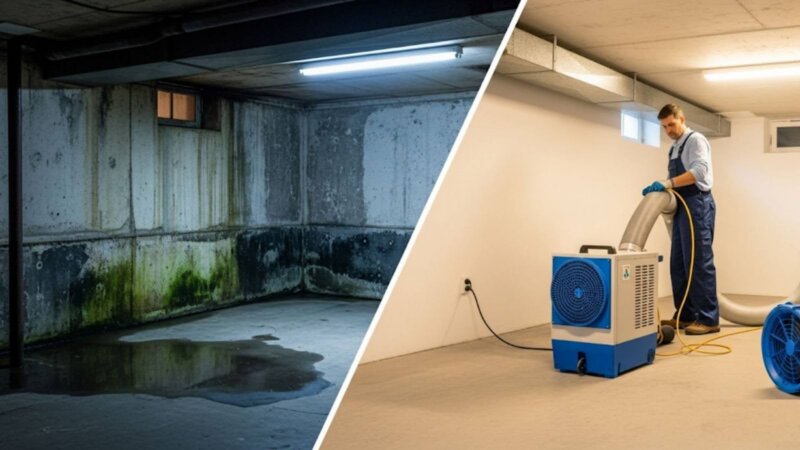
When a sudden flood or burst pipe infiltrates a residence, moisture can linger behind walls and beneath floors, creating an ideal environment for mold to take hold. Water Damage Restoration Indianapolis specialists emphasize that rapid moisture removal is critical to prevent mold growth Indy and protect both structural integrity and indoor air quality. Professional dehumidification employs industrial-grade equipment to extract hidden water vapor, restoring relative humidity to safe levels. In Indianapolis’s humid climate and frequent seasonal storms, understanding how dehumidification techniques interrupt the mold remediation process can safeguard a home from costly repairs and health hazards.
What if I have water damage in Indianapolis?
Water Damage Restoration Indianapolis experts respond to flooding, plumbing failures, and severe weather events with a systematic approach that begins with safety and stabilization. The first priority is to assess standing water levels, identify contamination categories, and secure electrical circuits to protect occupants and technicians. By rapidly deploying water extraction units, professionals reduce the total volume of liquid in carpets, subfloors, and structural cavities. This swift action lays the groundwork for targeted dehumidification that keeps relative humidity below the threshold where mold spores thrive.
Many homeowners underestimate how quickly mold can colonize damp materials, often within 24 to 48 hours after water intrusion. Certified technicians perform detailed moisture mapping using moisture meters and infrared imaging to pinpoint residual wet zones. Armed with this data, they calibrate dehumidifiers and air movers to precisely balance airflow and humidity control. Indianapolis residents who contact seasoned restoration teams benefit from a unified water damage and mold remediation process that addresses both visible wetness and hidden moisture pockets.
Do you need a flood cleanup specialist in Indianapolis?
Flood cleanup in Indianapolis demands rapid intervention to curtail water migration and secondary damage. Without professional-grade pumps and extraction vacuums, water can seep through concrete slabs, saturate insulation, and undermine basement support structures. Flood cleanup specialists bring the necessary equipment and training to manage contaminated water sources, such as storm runoff or sewage backups, following IICRC S500 standards for mitigation and remediation. Their expertise reduces long-term repair costs by preventing irreversible damage to walls, framing, and electrical systems.
Beyond extraction, the effectiveness of the cleanup hinges on dehumidification techniques that stabilize environmental conditions. Industrial desiccant or refrigerant dehumidifiers can maintain relative humidity below 50 percent—well under the level that accelerates mold proliferation. By strategically placing dehumidification units in affected zones, specialists ensure air circulation reaches every nook, extracting hidden moisture from subflooring, drywall cavities, and ceiling joists. Indianapolis homeowners who enlist certified teams secure a faster, more thorough restoration that restores properties to pre-loss dry conditions.
What causes mold after water damage in Indianapolis homes?
Mold requires three essentials to flourish: a food source such as cellulose in drywall, a water source or high humidity, and spores carried through the air. When water damage introduces moisture into building materials, it dissolves protective coatings and exposes wood fibers and paper backing on drywall to microbial colonization. The porous nature of materials like plaster, drywall, and wood trim traps moisture even after visible wetness has vanished, providing a continuous reservoir to support mold development if not removed promptly.
Hidden moisture often lurks behind walls, under carpets, and within crawlspaces, exacerbated by Indianapolis’s hot summers and humid springs. Even after surface water is extracted, vapor pressure gradients push moisture into cooler structural cavities. Without dehumidification techniques to disrupt that balance, relative humidity can remain above 60 percent for days or weeks. Under those conditions, mold spores germinate and produce hyphae that penetrate material surfaces, eventually producing visible colonies and releasing volatile organic compounds that compromise indoor air quality.
Professional remediation teams recognize that mold growth is both an aesthetic concern and a health hazard. Exposure to mold spores can trigger asthma attacks, allergic reactions, and respiratory irritation in sensitive individuals. By addressing the root cause—excess moisture—through advanced drying and dehumidification, technicians not only remove visible water but also safeguard against microscopic fungal proliferation that undermines indoor air safety.
What health risks does mold pose in Indianapolis homes?
Mold spores can aggravate allergies, trigger asthma attacks, and cause nasal congestion, eye irritation, and skin rashes in susceptible individuals. Children, the elderly, and those with weakened immune systems are particularly vulnerable to the respiratory effects of mold exposure. In Indianapolis homes, airborne spores can circulate through heating, ventilation, and air conditioning systems, spreading contaminants beyond the initial water-damaged areas and reducing overall indoor air quality.
Long-term exposure to certain mold species, such as Stachybotrys chartarum (black mold), has been associated with more severe health symptoms including chronic fatigue, headaches, and exacerbated lung conditions. While not every appearance of discoloration indicates toxic mold, professional mold remediation teams conduct environmental testing to identify species and spore concentrations. This scientific approach informs a targeted dehumidification and cleaning strategy that neutralizes spores and prevents regrowth, ensuring a healthier living environment.
How do dehumidification techniques prevent mold growth?
Dehumidification techniques address moisture at the source by lowering ambient humidity levels until water vapor can no longer feed mold colonies. Refrigerant dehumidifiers condense moisture on cooled coils, collecting water in tanks or draining it directly through hoses. Desiccant dehumidifiers use specialized silica gel or rotor technologies to adsorb water molecules even in low-temperature conditions. By selecting the appropriate equipment based on space volume, temperature, and initial humidity, professionals create optimal drying zones throughout a home.
Air movers complement dehumidifiers by promoting airflow across wet surfaces, accelerating evaporation and preventing moisture from migrating to cooler zones where condensation forms. Technicians strategically position fans to target tight spaces behind cabinetry, under baseboards, and around structural timbers. Continuous monitoring of relative humidity, temperature, and moisture content ensures adjustments can be made in real time, maintaining drying efficiency and eliminating conditions that favor mold. Ultimately, these coordinated tactics restore equilibrium and starve mold spores of the moisture they require.
Consistent dehumidification also disrupts the cycle of condensation and evaporation that can rekindle mold growth long after the initial water damage event. In Indianapolis’s variable climate, seasonal temperature shifts can reintroduce moisture into building envelopes, risking secondary mold development. A thorough drying process includes post-drying inspections and continued dehumidifier operation until moisture readings fall within safe industry standards—typically below 15 percent moisture content in structural materials.
What is the mold remediation process after dehumidification?
The mold remediation process begins with a comprehensive inspection and containment plan to prevent cross-contamination. Technicians isolate affected zones using plastic sheeting, negative-pressure machines, and sealed doorways. Once the environment is secured, specialized vacuums with HEPA filtration remove loose mold spores and debris. This pre-cleaning step minimizes aerosolized spores during the subsequent dehumidification and cleaning phases.
After thorough moisture removal, trained professionals apply antimicrobial agents to remaining mold colonies, killing fungal cells and inhibiting regrowth. Scrubbing tools and gentle abrasive methods may be employed to remove stubborn surface stains, with careful attention to preserving underlying materials. Porous items too damaged for restoration, such as saturated carpeting or drywall, are safely removed and disposed of in accordance with local regulations and EPA guidelines.
The final phase involves multiple rounds of clearance testing, including air sampling and surface swabbing, to verify that spore concentrations have returned to baseline or acceptable levels. Only after passing environmental criteria do technicians dismantle containment measures, reinstall insulation or new building materials, and restore the home to its original condition. This rigorous protocol, integrated with professional dehumidification, delivers lasting protection against mold resurgence.
What equipment do professionals use for dehumidification?
Professional dehumidification relies on a suite of specialized tools designed for high-volume and targeted drying. Refrigerant dehumidifiers, rated by pints of moisture removed per day, are ideal for general space drying in warmer environments. Desiccant dehumidifiers, measured in grains per pound of desiccant, outperform refrigerant units in colder or lower-humidity settings. Both types are deployed strategically to balance capacity with environmental demands.
In addition to dehumidifiers, technicians employ moisture meters and hygrometers to gather data on structural moisture content and ambient humidity levels. Infrared thermal imaging cameras reveal hidden moisture behind walls and ceilings, guiding equipment placement. Psychrometric calculators and charts help determine dew point conditions, informing airflow rates and dehumidifier settings. Together, these instruments ensure that the dehumidification process adapts precisely to the unique characteristics of each residential space.
Air movers, axial fans, and low-profile carpet dryers enhance evaporation by circulating air rapidly across wet surfaces. For basements and crawlspaces, waterproof submersible pumps may be used in tandem with dehumidification units to remove bulk water before drying begins. Advanced restoration teams also integrate air scrubbers and HEPA-filtered vacuums to capture airborne particulates during active drying, preserving indoor air quality throughout the process.
How long does professional dehumidification take to stop mold growth?
The timeframe for professional dehumidification depends on the volume of water intrusion, initial humidity levels, and the square footage of affected areas. In typical home water losses, complete drying may require anywhere from 48 to 72 hours of continuous dehumidifier and air mover operation. Large or heavily contaminated commercial basements can extend drying times to five or more days, particularly if structural cavities trap moisture.
Technicians track drying progress through daily moisture mapping, comparing readings against baseline values set by industry standards. Once moisture content of building materials drops below 15 percent and ambient relative humidity stabilizes between 30 and 50 percent, dehumidification equipment can be safely withdrawn. This methodical approach ensures that mold growth barriers remain in place long enough to prevent recolonization, even after visible dryness is achieved.
How dehumidification integrates with other restoration steps
Dehumidification is one element in a broader water damage restoration workflow that includes extraction, structural drying, cleaning, reconstruction, and final inspection. Extraction units remove bulk water, followed by air movers to expedite evaporation. Dehumidifiers then maintain optimal humidity levels as evaporation continues, pulling moisture from hard-to-reach areas. Once dryness benchmarks are met, technicians move on to content cleaning, odor control, and rebuild efforts.
Coordination with plumbing repairs and structural contractors is essential to prevent recurring water intrusion. Restoration teams often collaborate with electricians and HVAC specialists to restore systems affected by moisture, ensuring that ductwork, controls, and wiring are dry before reintegration. This holistic approach minimizes downtime, accelerates occupancy, and reduces the total cost of remediation by combining expertise across multiple trades.
Why choose professionals for dehumidification in Indianapolis?
Homeowners may be tempted to rent consumer-grade dehumidifiers, but these units lack the capacity, durability, and control features of commercial equipment. Certified professionals bring industry-certified expertise, following IICRC guidelines that guarantee adherence to best practices. Their training covers not just equipment operation but also regional building codes, environmental regulations, and safety protocols unique to Indianapolis’s climate and construction norms.
Professional teams offer 24/7 emergency response, ensuring that dehumidification begins before mold spores can germinate. They hold liability insurance and adhere to EPA regulations for mold removal, safeguarding homeowners from legal liabilities associated with improper disposal of contaminated materials. With clear documentation and moisture logs, they provide transparent proof of drying efficacy, an important consideration for insurance claims and future property sales.
Residential clients also benefit from warranties and service guarantees that consumer rentals cannot match. If moisture readings rebound or mold reappears, restoration contractors return to reassess and repeat treatment at no additional cost. This level of accountability underscores the value of professional dehumidification in protecting both health and investment.
When addressing moisture threats, homeowners can rely on Water Damage Restoration Indianapolis experts to calibrate industrial dehumidifiers for maximum efficacy, ensuring safe humidity levels throughout affected zones.
How can homeowners maintain dry conditions post-restoration?
Once professional dehumidification equipment is removed, maintaining dry conditions begins with proactive ventilation and humidity monitoring. Homeowners should install digital hygrometers in basements, crawlspaces, and attics to track real-time humidity trends. Running exhaust fans in kitchens and bathrooms during high-moisture activities such as cooking or showering prevents localized spikes that can feed mold growth.
Routine HVAC maintenance, including filter changes and duct inspections, sustains balanced airflow and prevents condensation within air handlers. Sealing cracks in foundations, installing French drains, and ensuring downspouts direct water away from the home’s perimeter all contribute to a moisture-resistant building envelope. In Indianapolis’s variable weather, these preventive measures complement initial dehumidification treatments and keep mold at bay.
For professional consultations and tailored drying plans, homeowners are encouraged to Contact us to schedule a comprehensive moisture assessment.
How cost-effective is professional dehumidification compared to mold remediation?
Investing in professional dehumidification immediately after water damage can reduce overall restoration costs by preventing extensive mold remediation. When mold colonies take hold, the expense of removing contaminated drywall, flooring, and structural materials multiplies quickly. Early dehumidification arrests mold before it penetrates deeply, minimizing demolition and reconstruction needs.
Insurance providers often recognize the value of rapid moisture control and may cover a greater percentage of restoration expenses when certified professionals document timely dehumidification. By comparing quotes for extraction, drying, and mold removal, homeowners find that the incremental cost of dehumidification equipment rental and monitoring is offset by the savings in mold abatement and reconstruction.
What role does the psychrometric chart play in dehumidification planning?
The psychrometric chart graphically represents relationships between air temperature, humidity, and dew point, guiding technicians in configuring dehumidifiers and air movers. By plotting initial conditions and desired endpoints, professionals calculate the amount of moisture removal required to achieve safe relative humidity levels. This precision prevents under- or over-drying, both of which can create secondary issues such as wood shrinkage or static buildup.
In practice, technicians measure ambient temperature and wet-bulb temperature, then use chart reference lines to determine specific humidity and enthalpy. These data inform equipment selection (desiccant versus refrigerant) and airflow rates, optimizing energy efficiency and drying speed. Mastery of psychrometric principles separates amateur dryness efforts from professional, science-driven moisture management.
Homeowners who partner with Guardian Angel Restoration gain access to IICRC-certified technicians, industrial-scale dehumidification, and a proven protocol to preserve indoor air quality and structural integrity.
Conclusion
Professional dehumidification forms a critical barrier against mold after water damage in Indianapolis homes. By employing advanced dehumidifiers, air movers, and psychrometric analysis, restoration specialists extract hidden moisture and maintain safe relative humidity. This scientifically driven approach prevents mold spores from germinating in cellulose-rich building materials, protecting both property and occupant health. Coordinated with comprehensive water extraction and validated by moisture mapping, dehumidification is not a luxury—it is a necessity for lasting results.
For homeowners seeking reliable, efficient, and guaranteed moisture control, the path is clear: embrace professional drying services provided by IICRC-certified teams at Guardian Angel Restoration. Their expertise in water damage restoration in Indianapolis ensures that every stage—from initial assessment through final clearance testing—meets the highest industry standards. With proactive dehumidification, families can reclaim their homes swiftly and confidently, knowing mold has been stopped before it ever had a chance to spread.
Frequently Asked Questions
What should I do immediately after discovering water damage in my Indianapolis home?
Act quickly by shutting off electricity to the affected area, stopping the water source if possible, and contacting professional restoration services. Rapid intervention with extraction and dehumidification reduces the risk of mold colonization.
Can I rent a home dehumidifier and perform the drying myself?
While consumer-grade dehumidifiers can help minor jobs, they lack the capacity and monitoring accuracy of commercial units. For thorough moisture removal and mold prevention, certified professionals with industrial equipment are strongly recommended.
How soon after dehumidification can I repaint or replace drywall?
Professionals confirm that moisture content of building materials is below 15 percent before proceeding with reconstruction. Attempting repairs too soon risks trapping moisture, leading to mold growth and compromised finishes.
Will professional dehumidification remove existing mold colonies?
Dehumidification alone halts further mold growth by lowering humidity, but visible mold colonies require targeted remediation with antimicrobial agents and removal of heavily contaminated materials.
How often should I monitor humidity to prevent mold in the future?
Install digital hygrometers in areas prone to moisture—such as basements and attics—and check readings monthly. Maintaining relative humidity between 30 and 50 percent year-round is the best defense against mold.