

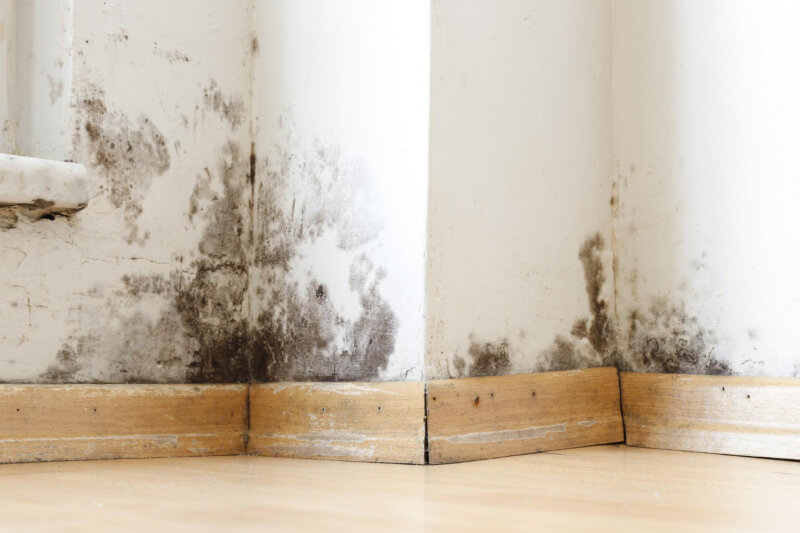
Basements often face issues like dampness and lack of light, making them a prime spot for mold to grow. Mold in your basement is more than an eyesore; it can lead to health problems and structural damage if left unchecked. Detecting mold early can save you lots of headaches and keep your home safe.
Recognizing the signs of mold and knowing where it hides helps you take quick action. Whether it’s a musty smell or unsightly spots on walls, addressing these problems promptly can prevent larger issues. With some basic knowledge and vigilance, you can keep mold from becoming a permanent guest in your home.
With the right approach, you can confirm mold presence and tackle it effectively. By understanding what to look for and how to test for mold, you can keep your basement—and the rest of your home—healthy and clean. Let’s dive into how you can spot mold signs and what to do if you find them.
Recognizing the Signs of Mold Growth
Spotting mold early in your basement is vital to prevent it from spreading. Knowing the warning signs can help you act fast. One of the first signs is a musty odor. If your basement smells damp or earthy, mold might be present. This smell can be persistent and hard to ignore.
Visual signs are another indicator. Look for discoloration on walls, ceilings, or floors. Mold often appears as black, green, or even white splotches. Sometimes, it can look like water stains or spots. Keep an eye out for this during regular cleaning or activities in the basement.
Pay attention to any increase in allergies or respiratory problems among family members. Mold spores in the air can cause sneezing, coughing, and other allergy-like symptoms. If these issues worsen when you’re in the basement, mold might be the culprit.
Finally, watch for condensation on walls or floors. Mold thrives in damp conditions, so seeing excess moisture can be a sign that mold has found a cozy home. By being vigilant and recognizing these signs early, you can address mold issues more efficiently.
Common Places Mold Hides in Your Basement
Mold loves hiding in dark, damp spots, so knowing where to search can help you find it quickly. Start with areas that often get wet or have poor air circulation.
1. Corners and Crevices: Mold tends to grow in corners and tiny crevices, especially those near the floor where moisture collects.
2. Behind Furniture and Appliances: Bulky items like couches, shelves, and washers can trap moisture and block airflow, creating a perfect mold habitat.
3. Under Carpeting and Floor Mats: If you have carpets in your basement, lift them occasionally to check for mold growth beneath.
4. Near Pipes and Drains: Leaky pipes or drains often cause mold to form around them. Watch for any water spots or leaks, which can lead to mold.
5. On Insulation and Wooden Beams: Mold can easily spread on porous materials like insulation and wood, especially if they’ve been exposed to moisture.
Check these areas regularly to catch mold before it spreads. By knowing where mold likes to hide, you can take steps to keep your basement safe and mold-free.
Testing Methods to Confirm Mold Presence
Once you’ve spotted the signs, confirming mold in your basement is the next step. Testing lets you know for sure if mold is present and helps determine the type.
Start with a simple, do-it-yourself test. Home mold test kits are available in stores and online. Follow the instructions carefully. Typically, these kits involve setting out a petri dish to capture mold spores from the air. After a few days, you’ll know if mold spores are in the air.
If you want a more detailed analysis, consider using swab tests. These involve wiping surfaces suspected of mold growth and then sending the samples to a lab for analysis. This can help identify the type of mold and its severity.
For more thorough testing, professional mold assessment services can give you the best results. Experts use advanced equipment to check air quality and examine surfaces. They provide detailed reports on mold types and concentrations in your basement.
By choosing the right testing method, you can take informed steps to tackle mold effectively. Testing provides the insights you need to address the problem accurately and efficiently.
Steps to Take If You Find Mold
Finding mold in your basement might feel overwhelming, but taking action is key to resolving the issue. Start by addressing the underlying cause—usually excess moisture. Fix leaks and improve ventilation to prevent the mold from coming back.
First, gather safety gear. Put on gloves, goggles, and a mask to protect yourself from mold spores. For small areas of mold, a mixture of vinegar and water can work as a cleaner. Apply with a spray bottle and scrub the mold away with a brush. Make sure to dry the area thoroughly afterward.
Next, remove and dispose of any materials that are heavily infested with mold, like carpets or insulation. These items often can’t be salvaged and need to be replaced.
For larger infestations or toxic mold types, consider hiring professional mold remediation services. Experts have the tools and expertise to safely remove mold and ensure it doesn’t return.
Finally, keep monitoring your basement. Regular inspections help catch mold early next time. This proactive approach keeps your space safe and healthy.
Conclusion
Detecting mold in your basement early can save you time, stress, and potential health issues. By recognizing signs, checking common hiding spots, and confirming with testing, you ensure a proactive approach to mold problems. If mold is found, taking immediate steps for cleanup and prevention helps maintain a clean and safe environment. Don’t let mold threaten your home when simple actions can safeguard it.
If you’ve discovered mold in your basement, Guardian Angel Restoration can provide the expertise you need to tackle the issue. We offer comprehensive mold removal services tailored to ensure your home stays clean and safe. Trust our experienced team to handle the situation professionally, giving you peace of mind that your basement is in good hands.