
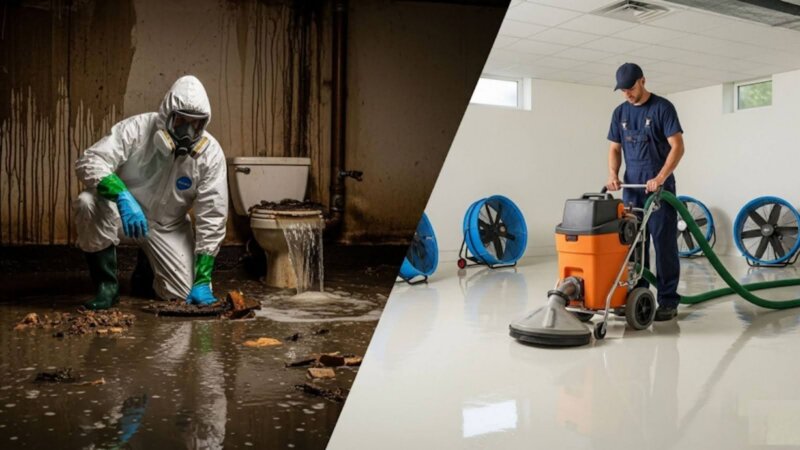
Water Damage Restoration Indianapolis projects demand urgency, precision, and industry expertise to protect lives and property. When black water invades living spaces, every moment counts. From compromised plumbing to catastrophic sewer backups, the threat to health and structural integrity escalates rapidly. A comprehensive response not only removes contaminated water but also addresses hidden hazards like mold proliferation, electrical risks, and microbial invasion. This blog will guide homeowners through a proven framework for sewage cleanup in Indianapolis, ensuring a safe, efficient, and sustainable recovery.
What steps should be taken for sewage cleanup in Indianapolis?
Water Damage Restoration Indianapolis specialists follow a disciplined protocol to neutralize black water disasters and restore homes.
Every sewage cleanup project begins with a rapid assessment of water categorization and structural impact. Technicians identify water type—clean, grey, or black—and gauge the degree of contamination. This classification informs containment strategies, protective gear selection, and remediation timelines. After mapping the affected zones, teams secure utilities, isolate HVAC systems, and erect containment barriers to prevent cross-contamination. Only then does the extraction phase begin, using high-capacity pumps and vacuums to remove bulk water swiftly.
Containment and extraction set the stage for drying and sanitization. Industrial-grade dehumidifiers and air movers accelerate moisture removal from walls, subfloors, and furnishings. Simultaneously, antimicrobial treatments eradicate pathogens and halt microbial growth. Throughout, technicians monitor humidity and temperature to ensure target thresholds. Once sanitized, reconstruction specialists inspect framing, drywall, and flooring to plan repairs or replacements. This structured approach—from evaluation to final rebuild—protects homeowners’ health and homes’ longevity.
Water Damage Restoration Indianapolis: Tackling Black Water Sanitation
Water Damage Restoration Indianapolis teams excel at restoring environments tainted by Category 3 black water.
Black water sanitation demands specialized disinfectants, high-efficiency particulate air (HEPA) filtration, and strict adherence to IICRC S-500 standards. First, technicians deploy foggers and sprayers with hospital-grade disinfectants to penetrate porous materials. Surfaces like drywall, carpeting, and insulation often require removal and disposal under hazardous waste guidelines. After demolition, deep structural drying begins, targeting hidden moisture pockets within framing cavities. Dehumidification continues until moisture content falls below 15%, reducing mold risk. Final clearance involves microbial ATP testing to confirm sanitization success.
Throughout the process, clients benefit from transparent communication and progress reports. Photo documentation tracks each phase, while digital moisture mapping provides real-time validation of drying efforts. By integrating advanced technology and proven methodologies, these pros deliver a restoration that meets or exceeds industry benchmarks.
Understanding Water Categories and Associated Risks
Professionals categorize floodwater into three distinct groups, each presenting unique hazards and remediation requirements. This classification guides safety precautions and dictates disposal methods.
| Category | Description | Hazard Level | Common Sources |
| Category 1 | Clean water from rain, broken supply lines | Low | Faucets, pipes, rainwater infiltration |
| Category 2 | Grey water containing chemicals or organic matter | Medium | Dishwasher overflows, washing machines |
| Category 3 | Black water saturated with pathogens and toxins | High | Sewage backups, toilet overflows, floods |
Proper identification enables targeted responses. While Category 1 may be tackled with basic drying and drying equipment, Categories 2 and 3 require rigorous sanitization and personal protective equipment.
Why is black water sanitation critical in home restoration?
Black water carries bacteria, viruses, and chemical contaminants that linger long after visible moisture disappears. Without thorough sanitation, hidden pathogens can compromise indoor air quality and surface safety. When effluent contacts porous building materials, microbes penetrate beyond the surface, creating opaque pockets of contamination that foster rapid mold growth.
Sanitizing black water–affected areas involves three key phases: mechanical cleaning, chemical disinfection, and verification testing. Mechanical cleaning removes bulk contaminants, while disinfection targets residual microorganisms. Verification—using ATP bioluminescence or microbial culturing—confirms the environment meets health-based standards. Neglecting any step can leave behind biofilm layers that degrade living spaces and threaten occupant health.
What equipment and safety gear are used in hazardous water remediation?
Proper equipment and personal protective equipment (PPE) form the backbone of safe sewage cleanup.
• High-capacity submersible pumps and wet/dry vacuums extract standing water swiftly, reducing dwell time.
• Commercial air movers circulate air across wet surfaces, while refrigerant and desiccant dehumidifiers target ambient moisture.
• HEPA-filtered negative-air machines contain airborne particulates during demolition and cleanup.
• Chemical-resistant gloves, full-body Tyvek suits, rubber boots, and respirators protect technicians from direct contact with contaminants.
• Moisture meters and thermal imaging cameras detect hidden water behind walls and under floors.
• Ozone generators and UV-C light systems offer advanced sterilization for odor control and pathogen reduction.
Each piece of equipment plays a critical role. Pumps and vacuums address raw extraction, while air movers and dehumidifiers tackle residual wetness. HEPA filtration and PPE guard against inhalation and skin exposure, ensuring worker safety and environmental integrity.
How to prevent mold growth after sewage cleanup?
Post-remediation mold prevention hinges on maintaining low humidity, proper airflow, and timely material replacement.
After contaminated water is removed, surfaces must dry to equilibrium moisture levels below 15%. Industrial dehumidifiers paired with strategically placed fans accelerate this process. Cutting or removing irreversibly damaged materials—like drywall, carpet padding, or insulation—prevents latent mold pockets. Nonporous materials can be deodorized and sanitized, while semi-porous elements often require discarding.
Ongoing mold inspections during reconstruction help catch anomalies early. Installing drywall products with mold inhibitors and using antimicrobial primers on existing surfaces further reduces microbial rebound. Routine HVAC maintenance and high-efficiency air filtration protect against airborne spores, safeguarding indoor air quality long term.
How to choose a professional sewage cleanup company in Indianapolis?
Selecting the right contractor involves weighing credentials, equipment, and local expertise.
Begin by verifying IICRC certifications, such as Water Restoration Technician (WRT) and Applied Microbial Remediation Technician (AMRT). These credentials confirm training in industry-best practices. Checking for state licensing, bonding, and insurance ensures the company can handle liability and emergency scenarios.
Before evaluating any provider, it helps to explore Water Damage Restoration Indianapolis for detailed service descriptions and client testimonials. Mid-project communication is equally vital—ask about daily progress updates, photo documentation protocols, and moisture monitoring reports. Companies that assign a dedicated project manager streamline decision-making and guarantee swift issue resolution.
Cost factors and insurance coverage for hazardous water remediation
Several elements influence sewage cleanup pricing, from the scale of contamination to material removal and reconstruction needs.
• Category of water: Black water sanitation involves more labor and materials than clean water mitigation.
• Square footage: Larger areas demand additional drying and dehumidification equipment.
• Structural repairs: Replacing framing, drywall, and flooring increases costs.
• Mold remediation: Treating or removing mold adds specialized labor and materials.
• Accessibility: Confined spaces or hazardous conditions require more time and sophisticated gear.
Homeowners should review insurance policies for coverage of sewer backups and water damage. Many standard homeowners plans exclude sewer overflow but offer optional add-ons. Documenting damage with photos and moisture readings strengthens claims. An experienced provider can assist with direct insurance billing, preventing up-front out-of-pocket expenses.
Preparing for future disasters: prevention and preparedness
Proactive measures shield homes against recurrent sewage backups and flooding.
Installing backflow prevention valves on sewer lines stops reverse flow during municipal main backups. Sump pumps with battery backup systems remove groundwater before it reaches floors. Elevating critical utilities—such as HVAC components and electrical panels—above flood levels helps maintain safety during water intrusion.
Routine plumbing inspections catch pipe corrosion or root intrusions early. Trench drains and foundation grading divert water away from vulnerable areas. Landscaping choices—such as rain gardens and permeable paving—reduce stormwater accumulation. Combined, these strategies create multiple defense layers, minimizing downtime and financial loss when emergencies strike.
Emergency response: when to call the pros
DIY cleanup after a minor sink overflow can suffice for Category 1 water, but black water events always require professional intervention. Exposure to pathogens and structural risks makes tackling sewage without proper training and equipment dangerous.
If water covers more than 10 square feet, infiltrates HVAC systems, or enters electrical outlets, immediate expert assistance is critical. Professionals bring specialized breathing apparatus, industrial equipment, and disposal protocols that homeowners lack. Even after visible cleanup, hidden moisture behind walls can ignite mold growth and compromise framing integrity. In high-risk scenarios, delaying professional help only amplifies damage and costs.
Real-World Example: Sewer Backup in a Historic Indianapolis Home
In a 1920s bungalow on the north side, a burst mainline caused a Category 3 flood in the basement family room. Floor coverings and insulation saturated within minutes. The homeowner reached out to a local restoration expert. Technicians arrived within two hours, equipped with pumps, air movers, and full PPE.
After water extraction, they removed contaminated drywall and padding, logging debris weights for insurance documentation. Over four days, dehumidifiers and thermal cameras confirmed sub-15% moisture content. A final microbial swab tested negative, clearing reconstruction crews to install moisture-resistant board and engineered hardwood. The homeowner regained living space free of lingering odor or health concerns.
Case Study: Rapid Restoration Saves Structure
A commercial property in downtown Indianapolis faced sewage backflow from municipal mains during heavy rains. Black water breached a storage area, soaking products and shelving. The tenant’s downtime threatened major revenue loss. Within one hour of the call, a mitigation team deployed 24/7, extracting water and setting continuous-drain dehumidifiers. In two days, they achieved target dryness levels, allowing restocking and reopening. This case underscores the value of rapid response in commercial settings.
Common misconceptions about sewage cleanup
Many homeowners believe bleach alone can sanitize flood zones. In reality, bleach has limited penetration and evaporates quickly, leaving biofilms intact. Only hospital-grade disinfectants with proven dwell times can break down resilient organic layers.
Another myth is that drywall can dry sufficiently in place. Even after surface dryness, moisture often lingers inside cavities, fostering mold. Industry protocols require removal of irreversibly damaged materials to guarantee safety. Understanding these facts helps homeowners make informed decisions and avoid half-measures that fail to restore a healthy environment.
The role of insurance in black water events
Sewer backup endorsements are crucial add-ons to standard homeowner policies. They cover costs associated with black water extraction, structural repairs, and mold remediation. Without this endorsement, insurance may deny claims related to municipal sewer failures.
When filing, policyholders should furnish detailed damage inventories, contractor estimates, and moisture‐mapping reports. Restoration professionals who work directly with insurers streamline approvals and prevent claim disputes. Efficient documentation protects homeowners from unexpected out-of-pocket expenses.
Why Indianapolis homeowners trust local experts
Local technicians understand area-specific risks—like clay soils that shift foundations and aging sewer infrastructure. They maintain relationships with municipal authorities for rapid updates on mainline issues. Combining regional insight with national best practices ensures that services align with local building codes and environmental regulations.
Moreover, community-based firms prioritize reputation. Their standing depends on delivering prompt, transparent, and thorough restorations. This accountability drives continuous training, investment in cutting-edge equipment, and adherence to IICRC standards.
Environmental considerations in sewage disposal
Proper disposal of contaminated water and demolition waste protects waterways and complies with EPA guidelines. Sewage runoff cannot enter storm drains, which lead directly to rivers and lakes. Licensed waste haulers transport black water and debris to approved treatment facilities.
Salvaged materials are assessed for salvageability; nonporous items may undergo advanced sterilization. Any that fail clearance testing become regulated solid waste. By partnering with certified waste handlers, homeowners can be confident their projects leave minimal environmental footprint.
Technology trends transforming sewage cleanup
Innovations like robotic crawlers equipped with thermal cameras inspect under slabs and inside crawlspaces without extensive excavation. Advanced digital moisture mapping systems provide real‐time dashboards for clients, showing drying progress and predicted completion dates.
Green cleaning products with plant-based surfactants now offer antimicrobial efficacy without harsh chemical residues. UV-C robots and ozone chambers extend sterilization to furniture and textiles, reducing total loss claims. These advances accelerate turnaround times and improve overall project sustainability.
Integrating reconstruction with remediation
Holistic restoration services bridge the gap between cleanup and rebuild. Project managers coordinate remediation crews, subcontractors, and insurance adjusters to align schedules and budgets. During reconstruction, moisture-resistant materials—like cement board backer and engineered substrates—replace standard gypsum to reduce future vulnerability.
Open communication channels prevent scope creep. Digital platforms let homeowners review plans, track deliverables, and approve design selections. This integrated model minimizes delays, controlling both cost and quality.
Community resources and support
After a major flood or disaster declaration, FEMA and local emergency management agencies often provide recovery grants or low-interest loans. Nonprofits like the American Red Cross may offer temporary shelter assistance for displaced families.
Restoration firms frequently collaborate with relief organizations, donating labor or materials to support vulnerable populations. Homeowners can reach out to community centers or municipal hotlines to learn about available aid programs.
Financial assistance and grant programs in Indiana
Indiana’s Community Development Block Grant (CDBG) program allocates funds for home repairs after disasters. Qualifying low- to moderate-income homeowners may apply for grants that cover a portion of restoration costs.
The Indiana Office of Community and Rural Affairs (OCRA) also administers grants for infrastructure repairs in underserved counties. Local restoration professionals guide applicants through documentation and compliance requirements to maximize funding opportunities.
Ensuring post-cleanup indoor air quality
Airborne pathogens and odors often remain after visible cleanup. HVAC system sanitization and duct cleaning eliminate lingering spores. High-efficiency particulate air (HEPA) filters stop mold and bacterial aerosols from circulating.
Portable air scrubbers equipped with UV-C and activated carbon further reduce odors and volatile organic compounds. Final clearance entails third-party air sampling, confirming that particle counts meet EPA indoor air quality standards.
Training and certification: hallmarks of excellence
Reputable companies invest in continuous education through IICRC, RIA, and NADCA programs. Technicians refresh qualifications annually, staying current on evolving antimicrobial protocols and emerging pathogens.
Staff safety training covers hazardous materials handling, confined space entry, and electrical hazard mitigation. Leadership teams attend industry conferences to evaluate new equipment and best practices. This commitment to professional development delivers superior outcomes.
Customer experience: beyond technical service
Transparent pricing, 24/7 availability, and empathetic communication set top providers apart. Regular status calls reassure clients during high-stress scenarios. Clear invoices break down labor, equipment, and material costs for trust and clarity.
Post-project surveys gather feedback on timeliness, professionalism, and cleanliness. Providers use these insights to refine protocols and enhance overall customer satisfaction.
Integrating insurance adjusters into the process
Early involvement of adjusters prevents scope disputes. Providers prepare detailed scopes of work fortified by moisture mapping, microbial testing, and material cost estimates.
Adjusters touring the site alongside restoration leads foster alignment on repair approaches. This collaborative model speeds claim settlements and reduces homeowner stress.
The science behind antimicrobial treatments
Hospital-grade biocides employ quaternary ammonium compounds (quats) with proven efficacy against a broad spectrum of bacteria and viruses. Proper application requires precise dwell times and surface agitation.
Newer enzymatic formulas break down organic soils, improving disinfectant contact. Combining mechanical scrubbing with chemical treatment disrupts biofilms that shield microbes. Rigorous post-treatment testing ensures compliance with health department benchmarks.
Emergency restoration versus routine maintenance
While routine leak repairs and minor flood responses build resilience, true emergencies demand rapid mobilization and scale. Emergency teams maintain hotlines, reserve on-site equipment caches, and conduct periodic readiness drills.
Maintenance-focused services include moisture barrier installations, sump pump testing, and camera sewer line inspections. These preventive measures uncover potential vulnerabilities before they escalate.
Long-term benefits of professional sewage cleanup
Investing in expert remediation protects property value and occupant health. Homes treated by certified crews exhibit lower mold recurrence, improved structural integrity, and enhanced indoor air quality.
Insurance carriers favor documented cleanups by recognized providers, often lowering premiums after mitigation. Over time, the combined savings in repair costs, health expenses, and stress reduction justify professional fees many times over.
Mid-Project Transparency: Effective Communication Strategies
Frequent updates build homeowner confidence and prevent misunderstandings. Online portals allow clients to view photo logs, equipment runtimes, and test results instantly. Phone briefings address questions on scope changes and timelines.
This open-door approach fosters collaboration, ensuring all stakeholders—homeowners, adjusters, and subcontractors—stay aligned.
In the Zone: Structural Drying Techniques
Structural drying pairs dehumidification with negative-pressure containment. In v-chamber systems, negative-air machines draw dry, filtered air across surfaces while preventing airborne contaminants from escaping into unaffected areas.
Precision drilling and injectivity systems target wall cavities, ensuring hidden moisture is eliminated. Consistent moisture readings confirm thorough drying before rebuilds commence.
Sustainable restoration: eco-friendly practices
Green restoration emphasizes biodegradable cleaning solutions, energy-efficient equipment, and responsible waste management. Some providers repurpose removed lumber into biomass fuel, while donating sanitized textiles to charitable organizations.
Selecting companies with eco-certifications—such as Green Clean Institute credentials—aligns restoration efforts with environmental stewardship.
When salvage is possible: textile and document recovery
Wet documents, photos, and textiles need rapid drying to prevent permanent damage. Freeze-drying at offsite facilities halts mold growth and preserves fibers. Vacuum thermal drying and dehumidification processes restore heirlooms and valuable records.
Specialized vacuum chambers and climate-controlled storage ensure recovery success even after prolonged submersion.
Summing Up: A Roadmap to Safe, Thorough Sewage Cleanup
From initial assessment through final reconstruction, professional sewage cleanup in Indianapolis follows a disciplined, data-driven framework. Rapid response teams deploy pumps and vacuums to extract water, containment barriers to isolate hazards, and dehumidifiers to eliminate residual moisture. Hospital-grade disinfectants, HEPA filtration, and microbial testing guarantee sanitized environments. Through local expertise and industry certifications, homeowners regain healthy living spaces quickly.
For comprehensive solutions tailored to each home’s unique challenges, veterans of the field recommend exploring Water Damage Restoration Indianapolis as a trusted resource.
Amid emergency scenarios, timely assistance is vital. If an unforeseen sewage backup strikes, swift action mitigates damage and prevents secondary issues. For immediate dispatch of IICRC-certified technicians, don’t hesitate to Contact us.
Mid-restoration transparency and open communication set industry leaders apart. While many providers showcase equipment galleries, the true measure lies in meticulous moisture monitoring and empathetic client interactions. At Guardian Angel Restoration, this dual commitment to technical excellence and customer care forms the cornerstone of every project.
Frequently Asked Questions
1. Can contaminated sewage water be safely removed without professional help?
DIY attempts with household cleaners and fans cannot guarantee thorough pathogen removal. Black water sanitation requires specialized equipment, PPE, and disinfectants. Professionals follow IICRC S-500 standards, ensuring lasting safety and compliance with health regulations.
2. How long does a typical sewage cleanup project take?
Duration depends on contamination category, affected square footage, and reconstruction scope. Small basement backups may wrap up in 2–4 days, while extensive structural repairs can extend to two weeks or more. Ongoing monitoring ensures moisture levels stay within safe thresholds before completion.
3. Will my homeowner’s insurance cover sewage backup damage?
Coverage varies by policy. Many standard plans exclude sewer backup but offer optional endorsements. Review your policy and speak with your agent about adding sewer backup protection to avoid unexpected out-of-pocket expenses.
4. What should homeowners do immediately after a sewage backup?
Evacuate the area, shut off utilities if safe, and call a licensed restoration company. Avoid contact with standing water and do not operate HVAC systems to prevent cross-contamination. Document visible damage with photos for insurance claims.
5. How can mold growth be prevented after a black water event?
Prompt extraction and structural drying are crucial. Remove irreversibly damaged materials, maintain humidity below 50%, and install antimicrobial primers on surfaces. Regular mold inspections during reconstruction catch regrowth early.
Final Words
Black water disasters require a blend of technical rigor and compassionate support. From hazard classification to final clearance testing, the path to restoration hinges on expert intervention and robust communication. With local insights into Indianapolis’s unique infrastructure challenges and a steadfast commitment to industry best practices, Guardian Angel Restoration stands ready to restore safety and serenity to any home afflicted by sewage emergencies.
Whether preparing for potential events or confronting an active crisis, understanding each phase—from containment and water extraction to mold remediation and reconstruction—ensures informed decisions and lasting peace of mind.
For specialized assistance or to discuss your project in detail, reach out to Guardian Angel Restoration today. Our team is available around the clock to deliver rapid, professional, and empathetic sewage cleanup services tailored to Indianapolis homeowners.