
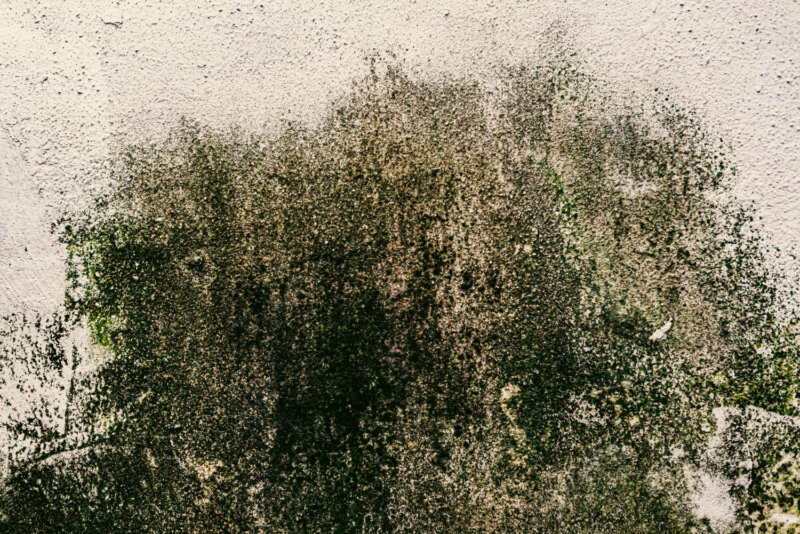
Water damage can cause major problems for your home. One of the biggest issues is mold growth. Mold not only looks bad but can also harm your health. After water enters your home, mold can start to grow in just 24 to 48 hours. That’s why it’s crucial to act fast and take steps to prevent mold from taking hold.
In this guide, we’ll explore how to stop mold before it starts. We’ll cover why mold is dangerous, the immediate actions you need to take, the best ways to dry out your home, and tips to keep mold away for good. Our goal is to help you protect your home and make it a safe place to live. Let’s dive into what you need to know to keep mold at bay after water damage.
Understanding the Dangers of Mold After Water Damage
Mold is more than just an eyesore. It poses serious health risks to everyone in the home. After water damage, mold can start growing in hidden areas, like behind walls or under floors. This can make it hard to see until it becomes a big problem. Mold spores, which are tiny particles that float in the air, can spread quickly and cause allergic reactions, such as sneezing, coughing, and itchy eyes. For people with asthma or other respiratory issues, mold can make their symptoms worse.
In addition to health risks, mold can damage your home. Mold can weaken the structures of your house, like wood and drywall, making repairs costly. It’s important to understand these dangers so you can take action right away. Knowing the risks helps you stay vigilant about preventing mold after water damage occurs.
Immediate Steps to Take to Prevent Mold Growth
Acting fast is key to stopping mold after water damage. Here are some steps we should take immediately:
1. Remove Standing Water: Use buckets, mops, or a wet-dry vacuum to get rid of any standing water. The faster you remove the water, the less chance mold has to grow.
2. Dry Wet Areas: Use towels to dry any wet surfaces. Dry wet carpets, furniture, and other items as quickly as possible.
3. Improve Airflow: Open windows and doors to let fresh air circulate. Use fans to help move air around and speed up the drying process.
4. Dehumidify: Use a dehumidifier to reduce moisture in the air. This makes it harder for mold to form.
Following these steps immediately can greatly reduce the chances of mold growing in your home. Quick action is essential to keeping your home safe and mold-free.
Effective Techniques for Drying and Dehumidifying Your Home
Drying out your home after water damage is crucial to stop mold from growing. Here are some techniques we use to make sure everything gets properly dried:
1. High-Power Fans: Place high-power fans in the most affected areas to speed up the evaporation of moisture. These fans move a lot of air and can be very effective in drying out surfaces like walls, floors, and furniture.
2. Dehumidifiers: Set up dehumidifiers in closed spaces to extract moisture from the air. This helps to reduce the overall humidity levels inside your home, making it harder for mold to find the moisture it needs to grow.
3. Heat: Sometimes, adding heat to the affected areas can help the drying process. Portable heaters can make the air warmer, which increases the rate of evaporation.
4. Desiccants: Use desiccant materials, like silica gel, to absorb moisture in small, closed spaces. These materials are great for specific areas where fans and dehumidifiers might not reach, like closets or tight corners.
Using these techniques together ensures a thorough drying process, reducing the chances of mold taking hold in hidden spots. The key is to remove all moisture as quickly and efficiently as possible.
Long-Term Prevention Tips to Keep Mold at Bay
After the immediate threat of mold is handled, we need to focus on long-term prevention. Here are some simple steps you can take to keep mold from coming back:
1. Regular Inspections: Check your home regularly for signs of moisture or leaks. Pay attention to places like the basement, attic, and around windows and doors.
2. Maintain Good Ventilation: Make sure your home has proper ventilation. Use exhaust fans in bathrooms and kitchens to remove moisture from the air. Keep windows open when weather permits to allow fresh air in.
3. Use Mold-Resistant Products: When repairing or renovating, choose mold-resistant materials like drywall and paint. These products can help prevent mold from taking hold in the first place.
4. Keep Humidity Levels Low: Use dehumidifiers in damp areas like basements or crawl spaces. Aim to keep indoor humidity levels below 50%.
5. Fix Leaks Promptly: Any plumbing leaks or roof leaks should be fixed right away to prevent moisture buildup.
Following these long-term prevention tips will help maintain a mold-free home and provide a safer living environment.
Conclusion
Preventing mold growth after water damage requires quick action and careful attention to detail. By understanding the dangers of mold, taking immediate steps to dry out your home, using effective drying techniques, and following long-term prevention tips, you can protect your home and health. Water damage doesn’t have to lead to mold problems if you act quickly and take the right steps.
If you need help with water damage restoration or mold prevention, Guardian Angel Restoration is here for you. Contact our certified mold remediation contractors today to ensure your home stays safe and mold-free.