
Mold in your home is more than just an eyesore; it can pose serious health risks and damage the structural integrity of your house. This unwelcome intruder often sparks concerns, especially if not addressed promptly. Mold thrives in damp, humid conditions, making it a common issue in areas where moisture builds up easily. From musty odors to unsightly patches on walls and ceilings, mold can create a host of problems that require immediate attention.
Acting quickly to remove mold is key to preventing further complications. Allowing mold to spread can contribute to persistent health issues, like allergies and respiratory problems, while also leading to expensive repairs and renovations down the line. Addressing mold early on not only protects your home but also ensures a healthier living environment for you and your family.
Identifying Mold in Your Home
Mold doesn’t always announce its presence clearly, making it crucial to know what signs to look for. Common indicators of mold include:
– Musty Smell: A persistent, earthy scent often points to hidden mold, even if you can’t see it.
– Discolored Spots: Look for black, green, or white patches on walls, ceilings, and even furniture.
– Peeling Paint or Wallpaper: Moisture trapped underneath can cause peeling, indicating mold behind the surface.
– Increased Allergies: Experiencing more sneezing, coughing, or itchy eyes indoors? Mold spores could be the cause.
Mold likes to settle in areas with plenty of moisture, so it’s important to check spots in your home where dampness lingers. Basements, bathrooms, and kitchens are prime locations for mold due to their humid environments. Regularly inspecting these areas can help you catch mold early before it becomes a bigger problem. Keep an eye on places that often get missed, like the underside of sinks, grout lines between tiles, and any area that tends to trap moisture.
Preparing for Safe Mold Removal
Before jumping into mold removal, proper preparation makes a big difference in safety and effectiveness. Start by gathering essential tools and protective gear:
– Rubber Gloves: Prevents skin contact with mold spores.
– N95 Respirator Mask: Reduces inhalation of hazardous mold particles.
– Safety Goggles: Protects your eyes from mold and cleaning agents.
– Plastic Sheeting and Tape: Helps contain mold to prevent it from spreading.
Set the stage by ensuring the area is well-ventilated. Open windows and doors to allow fresh air in. Seal off the space with plastic sheeting to contain mold spores. It’s also wise to have a plan for safely disposing of contaminated materials, like damp rags or towels, to keep mold from making a return visit. Taking these precautionary steps ensures that you address the mold issue without exposing yourself to unnecessary risks.
Step-By-Step Mold Removal Process
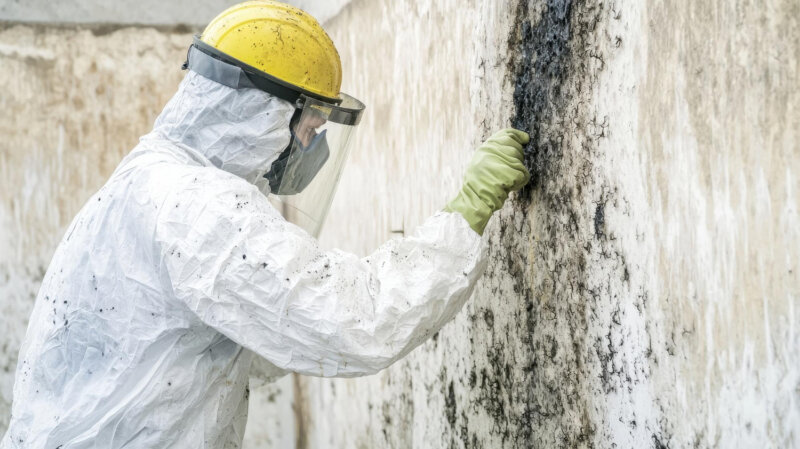
Tackling mold removal requires a systematic approach to ensure all traces of this unwelcome guest are eliminated. First, you’ll want to isolate the affected area to prevent mold spores from traveling to other parts of the house. Using plastic sheeting and tape, seal doors and vents.
Next, begin the mold removal itself. Here’s a step-by-step guide:
1. Apply a Mold Cleaner: Start by applying a mold cleaner to the area. There are many on the market specifically designed for this purpose.
2. Scrub Hard Surfaces: Use a scrub brush to remove mold from hard surfaces. It’s crucial to scrub thoroughly to reach every bit of mold.
3. Dispose of Contaminated Materials: Any materials like carpets or upholstery that are heavily infested should be discarded.
4. Rinse and Dry: After scrubbing, rinse the area with clean water and allow it to dry completely. Fans and dehumidifiers can accelerate this process.
5. Monitor the Area: Once the area is cleaned, keep an eye out for any signs of mold returning.
To prevent mold spread during this process, maintain a controlled environment with as little disturbance to the air as possible.
When to Call for Emergency Mold Removal
There are times when mold problems are too extensive or dangerous to handle alone. Large infestations covering more than ten square feet typically need professional intervention. Also, if mold is found in HVAC systems, a professional is required to ensure comprehensive cleaning and avoid the spread of spores through air circulation.
Mold exposure can lead to severe health issues, especially for those with respiratory conditions or weakened immune systems. In such cases, professional help is not just advisable, but necessary. Experts have the right equipment and expertise to deal with mold hazards safely.
Keep Your Home Mold-Free in Indianapolis
Maintaining a mold-free home involves proactive measures. Regular inspections and moisture control are your best defenses. Check high-risk areas like basements and bathrooms frequently. Look for leaks or condensation and address them promptly.
Consider installing a dehumidifier in damp-prone areas, and always ensure your home is well-ventilated. Kitchens and bathrooms should have exhaust fans that vent moisture outdoors.
Routine checks, especially after heavy rain or high humidity periods, can help catch potential mold threats early. Remove any standing water immediately and repair leaks swiftly.
Let Us Help You Keep Your Home Safe
Dealing with mold is no small task, but taking these steps to address it proactively can protect your home and health. Keeping mold at bay greatly contributes to a healthier, more comfortable living space. Remember, professional help is a call away if you’re dealing with a stubborn mold situation or need an extra hand. Your home deserves to be a safe haven, and ensuring it stays mold-free is a lasting investment in your well-being.
If you’re dealing with a mold problem that’s beyond DIY solutions, consider reaching out for emergency mold removal to protect your home and health. At Guardian Angel Restoration, our expert team in Indianapolis is ready to help you tackle any mold situation, ensuring your space remains safe and comfortable. Discover more about our services today.