

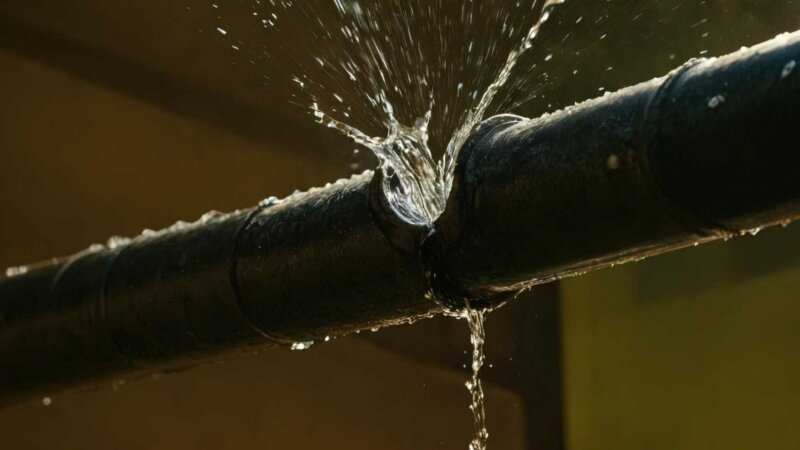
Burst pipes in Noblesville homes are most commonly caused by frozen water, high water pressure, and the gradual corrosion of aging plumbing materials. When water freezes inside a pipe, it expands with enough force to rupture metal or plastic, leading to sudden flooding. If you are currently facing a plumbing failure, the most critical step is to shut off your main water valve immediately to prevent structural damage. Once the water is contained, professional burst pipe cleanup Noblesville IN is required to extract moisture from carpets, drywall, and subflooring before permanent damage or hazardous mold growth occurs in your property.
At what temperature do pipes freeze in Noblesville homes?
Pipes in Central Indiana typically begin to freeze when the outside temperature drops below 20 degrees Fahrenheit for several consecutive hours. While water freezes at 32 degrees, pipes located within the insulated walls of a home near Forest Park or the Noblesville Square have some protection from the elements. However, once the “polar vortex” conditions common in Hamilton County arrive, the uninsulated pipes in crawl spaces, attics, and exterior walls become highly susceptible to ice blockages that lead to ruptures.
The risk of Noblesville burst pipe increases significantly if there are cracks or openings in the home’s exterior that allow cold air to blow directly onto the plumbing. In many older neighborhoods near Seminary Park, small gaps in the foundation or around dryer vents can create “wind chill” effects inside the walls. This localized freezing often happens overnight when water usage is at its lowest, allowing ice to form and create immense pressure within the line.
What causes a pipe to burst without freezing?
High water pressure and pipe corrosion are the primary reasons for plumbing failures that occur during the warmer months in Noblesville. If your home’s water pressure is consistently above 80 PSI (pounds per square inch), the constant stress weakens the joints, valves, and the pipe walls themselves. Over time, this pressure causes the material to fatigue until a “sudden and accidental” burst occurs, often while homeowners are at work or sleeping.
Other significant factors that contribute to non-frozen plumbing failures include:
- Internal Corrosion: Older homes near Federal Hill Commons often have galvanized steel or copper pipes that react with minerals in the water. This reaction thins the pipe walls over time until they can no longer contain the pressure.
- Water Hammer: This occurs when a valve closes suddenly, sending a shockwave through the plumbing system. If pipes are not properly secured with straps, the repeated vibration can cause joints to snap or pull apart.
- Tree Root Intrusion: In established neighborhoods with mature silver maples, roots can seek out tiny leaks in underground main lines. As the roots grow, they expand the cracks, eventually causing a total collapse of the pipe.
- Soil Shifting: The heavy clay soil found throughout Hamilton County expands and contracts with moisture levels. This movement can put physical stress on the service line connecting your home to the city water main.
Why is water pressure a hidden danger for Noblesville residents?
Water pressure acts as a silent stressor on your entire plumbing infrastructure, often going unnoticed until a catastrophic failure occurs. Many residents near the Hamilton County Fairgrounds may not realize that the city’s municipal water supply often arrives at a higher pressure than a residential system is designed to handle. While a pressure-reducing valve (PRV) is usually installed to mitigate this, these mechanical devices typically fail after 10 to 15 years.
When a PRV fails, your faucets, toilets, and appliances are subjected to hidden plumbing pressure factors that can cause supply lines to burst. A sudden spike in pressure can blow the hose off a washing machine or cause a water heater tank to rupture. If you notice a “banging” sound when you turn off a faucet, it is a clear indicator that your pressure levels need to be professionally evaluated to prevent a flood.
Who handles burst pipe cleanup Noblesville IN after a major leak?
You should contact a certified restoration specialist for burst pipe cleanup Noblesville IN as soon as the plumbing repair is underway. While a local plumber can solder a new joint or replace a section of PEX tubing, they do not possess the industrial extraction equipment needed to save your flooring and walls. Professional restoration involves using high-capacity centrifugal air movers and LGR (Low Grain Refrigerant) dehumidifiers to pull moisture out of the air and the building’s structural components.
Rapid response is essential because water follows the path of least resistance. In a two-story home near Morse Reservoir, a burst pipe on the upper floor will quickly migrate through the floor joists and into the ceiling below. Restoration experts use thermal imaging cameras to track this moisture migration behind the drywall, ensuring that no hidden pockets of water are left to rot the wood or foster mold colonies.
How does aging infrastructure impact plumbing failures?
The age of your home’s plumbing system is one of the most reliable predictors of a future burst. Many of the historic homes in the Noblesville area still contain original plumbing that has exceeded its intended lifespan. Materials like polybutylene, which was popular in the 1980s and 90s, are known to become brittle over time due to contact with chlorine in the municipal water supply, leading to unexpected fractures.
If your property was built several decades ago, it is vital to understand the common Noblesville burst pipe causes related to material decay. Copper pipes can develop “pinhole leaks” due to electrolysis or acidic water, while older lead or galvanized lines are prone to heavy scale buildup that restricts flow and increases internal pressure. Upgrading to modern PEX (cross-linked polyethylene) can significantly reduce the risk of a burst because the material is flexible and can expand slightly if water begins to freeze.
What are the signs that a pipe is about to burst?
Most pipes provide warning signs before they fail completely, allowing proactive homeowners to avoid a disaster. One of the most common indicators is a sudden change in water color or a persistent metallic taste, which suggests that the interior of your pipes is corroding. You might also notice a slight decrease in water pressure at the tap, which could indicate that a small leak has already started somewhere in the system.
Be on the lookout for these physical signs of impending failure:
- Wall Stains: Any discoloration or “bubbling” on the drywall, especially near the baseboards or on the ceiling.
- Unusual Noises: Whistling, clanking, or gurgling sounds coming from the walls when water is running.
- Musty Odors: A persistent damp smell in the basement or under sinks that does not go away with cleaning.
- Increased Water Bills: A sudden spike in your monthly utility costs without a change in usage habits.
- Visible Puddles: Damp spots in your yard near the water main or in the crawl space under your home.
To protect your home from these risks, you can contact us to schedule a professional moisture assessment and plumbing inspection. Catching a weak joint or a small pinhole leak early can save you thousands of dollars in restoration costs and insurance deductibles.
How long does it take for water damage to become permanent?
Water damage begins to affect the structural integrity of your home within minutes of a pipe bursting. In a typical Noblesville residence, the subflooring is often made of oriented strand board (OSB) or plywood, both of which absorb water like a sponge. Once these materials saturate, they begin to swell and delaminate, which can cause floors to become soft or uneven.
| Time Elapsed | Impact on Property |
| 1 Hour | Water spreads into carpets, furniture, and paper products; odors begin to form. |
| 24 Hours | Drywall begins to sag and break down; metal surfaces start to tarnish. |
| 48 Hours | Mold spores begin to colonize; wooden doors and trim start to swell and warp. |
| 1 Week | Structural wood rot begins; biohazard risks increase significantly. |
Because the humidity levels in Indiana can be quite high near the White River, the natural evaporation process is rarely enough to dry a home after a flood. Without professional intervention and the use of specialized drying equipment, the moisture trapped inside wall cavities will remain for weeks, leading to the long-term degradation of the home’s framework.
What should I do if my pipes are frozen but haven’t burst yet?
If you turn on a faucet and only a trickle of water comes out during a cold snap, your pipes are likely frozen. The first thing you should do is keep the faucet open. This allows the water to flow once the ice begins to melt, which helps relieve the pressure building up between the ice blockage and the faucet. If you can locate the frozen section of the pipe, you can attempt to thaw it using a hair dryer or an electric heating pad.
However, you must never use an open flame, such as a propane torch, to thaw a pipe. This creates a severe fire hazard and can cause the water inside the pipe to boil, leading to an immediate explosion. If the pipe is located in an inaccessible area like a wall or a ceiling, your best course of action is to turn up the thermostat in your home and wait for a professional to arrive. Taking these freezing and plumbing failures seriously can prevent a minor ice blockage from turning into a major flood.
How can I prevent my pipes from bursting during a vacation?
Many of the most severe floods in Noblesville occur when homeowners are away for the winter and are unaware that a pipe has failed. To prevent this, you should always shut off the main water valve and drain the system before leaving for an extended period. This involves turning off the water and then opening every faucet in the house until the lines are empty.
Additional steps for vacation protection include:
- Maintain Heat: Never turn your furnace off completely; keep the thermostat set to at least 55 degrees.
- Open Cabinets: Leave kitchen and bathroom cabinet doors open to allow warm air to reach the plumbing.
- Monitor Remotely: Use a Wi-Fi-enabled leak detection system that alerts your smartphone if moisture is detected.
- Enlist Help: Ask a neighbor or a friend to check on the house every few days to ensure the heating system is still functioning.
- Insulate Vents: Ensure that crawl space vents are closed during the winter to block cold winds.
Frequently Asked Questions
How do I find my main water shut-off valve?
In most Noblesville homes, the shut-off valve is located in the basement or crawl space near the front of the house. It is usually a red or blue handle or a brass lever. If you are in a slab-on-grade home, look near the water heater or in a utility closet. If you still cannot find it, you can contact us for guidance on how to secure your property during a leak.
Will my insurance pay for a burst pipe?
Standard Indiana homeowners insurance typically covers “sudden and accidental” water discharge. This includes pipes that burst due to freezing or pressure spikes. However, coverage may be denied if the damage resulted from long-term neglect or if the home was left unheated during a vacation.
Can a small leak lead to a pipe bursting?
Yes. A small pinhole leak is often a sign of widespread corrosion within the pipe wall. As the material continues to thin, the structural integrity of the pipe is compromised until it can no longer withstand the internal water pressure, resulting in a sudden burst.
Is PEX plumbing better than copper for preventing bursts?
PEX is generally more resistant to bursting because it is flexible and can expand if water freezes inside it. Copper is rigid and will almost always rupture if the water turns to ice. However, PEX can still fail if the joints are improperly crimped or if the water pressure is excessively high.
How do I know if my pipes are made of polybutylene?
Polybutylene pipes are usually grey, blue, or black and are marked with the code “PB2110.” These were commonly installed in Noblesville homes built between 1978 and 1995. If you have these pipes, you should consider a proactive replacement, as they are highly prone to sudden failure.
Conclusion
Understanding the various factors that lead to plumbing emergencies is the first step in protecting your home from the devastating effects of water damage. From the freezing temperatures that sweep through Central Indiana to the hidden stresses of high water pressure, your plumbing system requires regular attention and maintenance. By identifying warning signs early and taking immediate action when a leak occurs, you can save your property from the high costs of structural repair and mold remediation.
When you are faced with the aftermath of a plumbing disaster, you need a team that acts with urgency and precision. Guardian Angel Restoration is a trusted local service provider that offers a comprehensive solution to the problems discussed. As experts in burst pipe cleanup Noblesville IN, we are committed to restoring your home to its pre-loss condition using advanced technology and local expertise, ensuring that your family remains safe and dry regardless of the weather outside.