
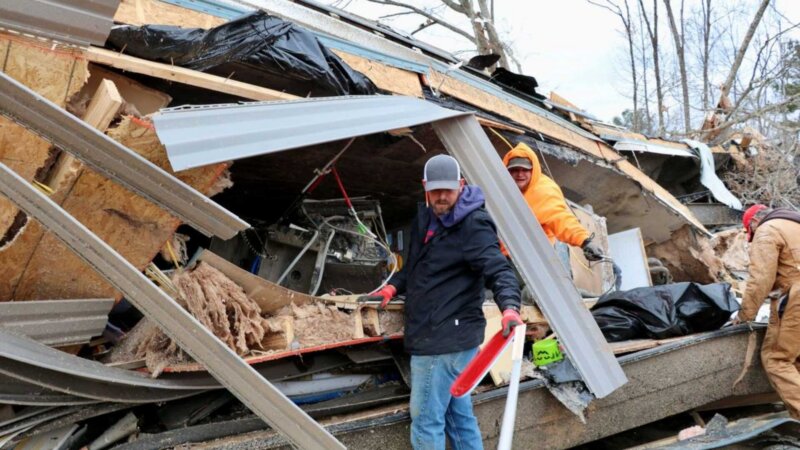
Storms in Indianapolis can arrive with little warning and leave behind serious damage. High winds, hail, heavy rain, lightning, and occasional tornado activity are common across Central Indiana. When a storm passes, homeowners often step outside or into damaged rooms feeling overwhelmed and unsure of what to do next. Knowing the correct first actions after storm damage restoration Indianapolis events can protect your home, reduce long-term repair costs, and help you regain control during a stressful situation.
Storm damage is not always obvious. A roof may appear intact while shingles are lifted just enough to allow water inside. Water intrusion can hide behind walls or under flooring for days before signs appear. This guide explains the essential steps to take after storm damage, how to avoid costly mistakes, and when professional help becomes necessary to protect your Indianapolis property.
What should you do immediately after storm damage hits your Indianapolis property?
The moments after a storm are critical. Your actions during this time can significantly influence the extent of damage and the success of recovery.
Safety should always come first. Storms often leave behind hazards such as downed power lines, broken glass, unstable structures, and standing water that may be electrically charged. Once safety is confirmed, focus on inspecting damage, preventing further exposure, and documenting everything carefully. These steps support a smoother storm damage restoration Indianapolis process and help prevent future complications.
Prioritize safety before inspecting storm damage
After a storm, your property may not be safe even if the weather has cleared. Hidden dangers can pose serious risks.
Avoid downed power lines and contact your utility company if any are nearby. Do not walk through standing water until electricity is shut off, as water can carry electrical current. Structural damage such as sagging ceilings or cracked walls may collapse unexpectedly.
Wear sturdy shoes, gloves, and protective clothing during inspections. If you smell gas or hear hissing, leave the property immediately and contact emergency services.
Perform a careful exterior inspection
Once conditions are safe, begin with an exterior inspection of your home. Walk around the property and look for visible signs of storm damage.
Check the roof for missing shingles, lifted flashing, dents from hail, or exposed underlayment. Inspect siding for cracks, warping, or pieces that have come loose. Gutters and downspouts may be clogged or detached due to debris.
Also examine windows, doors, fences, and outdoor structures such as garages or sheds. Exterior damage often leads to interior water intrusion if not addressed quickly.
Inspect the interior for signs of storm damage
After checking the exterior, move indoors to look for hidden damage caused by the storm. Water intrusion may not be immediately visible.
Look for water stains on ceilings and walls, peeling paint, bubbling drywall, or warped flooring. Pay close attention to basements, crawl spaces, and attics, as these areas are especially vulnerable.
Musty odors or increased humidity can signal trapped moisture. Early detection helps prevent mold growth and more extensive repairs later.
Take steps to prevent further damage
Preventing additional damage is one of the most important emergency restoration steps after a storm. Temporary protection can significantly reduce repair costs.
If the roof is damaged, covering exposed areas with tarps can prevent rain from entering the home. Broken windows should be boarded up to keep out moisture, pests, and intruders. Interior leaks can be contained with buckets or plastic sheeting.
These measures help stabilize your home while you plan for professional restoration services.
Document storm damage thoroughly
Proper documentation is essential for insurance claims and restoration planning. Before making permanent repairs, record all damage.
Take clear photos and videos of affected areas from multiple angles. Include exterior damage, interior water intrusion, damaged belongings, and any temporary protective steps you have taken.
Keep notes about the date and severity of the storm. Detailed records help when you assess storm damage cost with your insurance provider.
Contact your insurance company promptly
After documenting damage, notify your insurance company as soon as possible. Most policies require timely reporting to remain eligible for coverage.
Provide your insurer with photos, videos, and written descriptions of the damage. Ask about coverage limits, deductibles, and the claims process. Avoid making permanent repairs until the insurance adjuster has inspected the property unless safety is at risk.
Understanding your policy early helps prevent delays and unexpected expenses.
Why professional storm damage restoration Indianapolis services are important
Storm damage often involves multiple issues occurring at once. Roofing damage, water intrusion, mold risk, and structural concerns may overlap.
Professional storm damage restoration Indianapolis teams are trained to identify both visible and hidden damage. They use moisture meters, infrared cameras, and structural assessment tools to ensure no issues are overlooked.
Professionals also understand local building codes and insurance requirements, which helps ensure repairs are done correctly and efficiently.
How storm damage cleanup Indianapolis professionals handle recovery
Storm damage cleanup Indianapolis services follow a structured process designed to restore safety and stability.
The process typically begins with emergency mitigation, including water extraction and debris removal. Drying and dehumidification follow to prevent mold growth. Structural repairs and reconstruction restore the home to its pre-storm condition.
This systematic approach ensures that both immediate and long-term damage are addressed properly.
Common types of storm damage in Indianapolis
Indianapolis storms can cause a wide range of damage depending on conditions.
High winds may tear off shingles, damage siding, and topple trees. Hail can dent roofs, crack windows, and damage gutters. Heavy rain often leads to basement flooding and foundation seepage.
Lightning strikes can damage electrical systems and appliances. Severe storms or tornadoes may cause structural damage that requires extensive restoration work.
Mold risks following storm-related water damage
Moisture left behind after storms creates ideal conditions for mold growth. Mold can begin developing within 24 to 48 hours.
Even small leaks can result in mold behind walls or under flooring. Mold exposure may cause respiratory issues, allergies, and other health concerns.
Professional restoration includes moisture control, proper drying, and antimicrobial treatments to reduce mold risks.
Accurately assessing storm damage cost
Estimating storm damage cost requires more than a visual inspection. Hidden water damage, insulation saturation, and structural weakening all affect repair expenses.
Professional assessments provide detailed reports outlining necessary repairs. These reports help insurance adjusters determine appropriate coverage.
Relying only on surface-level estimates often results in underfunded repairs and ongoing problems.
Choosing the right restoration company
Selecting the right restoration provider is critical to successful recovery. Not all companies offer the same level of expertise or transparency.
Look for certified technicians, local experience, emergency availability, and positive customer reviews. Clear communication and honest estimates are also important.
Homeowners seeking reliable support during storm recovery often choose to contact Guardian Angel Restoration when professional guidance is needed.
How Indianapolis weather impacts restoration timelines
Indianapolis weather can complicate restoration efforts. Continued rain, humidity, or temperature changes may slow drying and repairs.
Experienced restoration professionals plan around local weather patterns to protect exposed areas and maintain progress. Understanding seasonal challenges ensures safer and more efficient recovery.
When storm damage requires temporary relocation
Some storm damage situations make a home unsafe to occupy. Severe structural damage, electrical hazards, or contamination may require temporary relocation.
Restoration professionals can assess habitability and recommend next steps. Safety should always take priority during storm recovery.
Preventing future storm damage
While storms cannot be prevented, preparation can reduce damage severity.
Regular roof inspections, gutter cleaning, and tree trimming help minimize storm impact. Installing sump pumps and improving drainage can reduce flood risks.
Proactive maintenance strengthens your home’s resilience against future storms.
What to expect during the storm damage restoration process
Storm damage restoration typically occurs in stages. Emergency stabilization comes first, followed by drying and cleanup.
Repairs and reconstruction restore damaged areas. Final inspections ensure the home is safe and fully restored.
Clear communication throughout the process helps homeowners understand timelines and expectations.
Comparison table: immediate versus delayed storm response
| Response Timing | Impact on Damage |
| Immediate action | Limits water intrusion and mold |
| Delayed action | Increases repair costs |
| Professional assessment | Identifies hidden damage |
| DIY only | Often misses critical issues |
Frequently Asked Questions
How soon should storm damage be inspected?
As soon as conditions are safe, ideally within 24 hours.
Can storm damage be hidden?
Yes, water and structural damage often occur behind walls or under roofing.
Does insurance cover storm damage restoration?
Most policies cover storm-related damage, but coverage varies.
How long does storm damage restoration take?
Minor damage may take days, while severe damage can take weeks.
Is mold common after storm damage?
Yes, moisture creates ideal conditions for mold if not addressed quickly.
Conclusion
Storm damage can leave Indianapolis homeowners feeling stressed and uncertain, but taking the right first steps makes recovery manageable. Prioritizing safety, documenting damage, preventing further exposure, and seeking professional help early all contribute to successful recovery. Proper storm damage restoration Indianapolis services protect your home from long-term issues and restore peace of mind.
Guardian Angel Restoration is dedicated to helping Indianapolis homeowners recover after storms with fast response, professional care, and expert restoration services. When storm damage occurs, Guardian Angel Restoration is ready to guide you through every step of recovery with confidence and compassion.