

Walking into a flooded basement or discovering a ceiling leak in your Indiana home is a moment of pure panic that quickly shifts into financial concern. The local weather in the Greater Lafayette area, characterized by heavy spring rains and freezing winter temperatures that cause pipe bursts, means that many homeowners will eventually face this expensive reality. Understanding the expected investment for water damage restoration Lafayette is essential for budgeting and working effectively with your insurance provider. While every situation is unique, the cost of recovery is generally determined by the volume of water, the type of contamination, and how quickly professional help arrives at your doorstep to mitigate the spread of moisture.
How much does it cost to fix water damage in a house?
When residents ask about Lafayette water damage restoration pricing, they are typically looking at an average range between $1,400 and $6,400 for a standard residential project. For a simple clean water leak that is caught within the first few hours, you might only spend around $3.50 to $4.00 per square foot for basic drying and extraction. However, if the water has had time to seep into porous subflooring or behind drywall, those costs can escalate quickly. The final bill is a reflection of the specialized labor required to ensure your home is not just dry to the touch, but structurally sound and free from hidden microbial growth that thrives in our humid Indiana summers.
The scale of water damage restoration Lafayette projects is often categorized into classes and categories by professionals. A Class 1 loss, which affects only a portion of a room with low-permeability materials like tile, is the most affordable to manage. On the other end of the spectrum, a Class 4 loss involves “specialty drying” for materials like hardwood or concrete, which requires significantly more time and advanced equipment. By understanding these technical levels, you can better anticipate whether your restoration will be a minor hiccup or a major financial undertaking that requires a deep dive into your insurance policy’s fine print.
Primary Local Restoration Cost Factors
There are several local restoration cost factors that impact the final estimate in the Tippecanoe County region. One of the most significant variables is the category of the water itself, which dictates the level of safety gear and sanitization required. Category 1 water is clean, coming from a broken supply line, and is the least expensive to treat. Category 2, often called “gray water,” contains significant contamination from appliances like dishwashers. Category 3, or “black water,” is the most hazardous and expensive, usually involving sewage backups or rising floodwaters from the Wabash River that carry bacteria and toxins into your living space.
The age and construction of your Lafayette home also play a role in the total estimated water repair expenses you might receive. Older homes in the historic neighborhoods of Lafayette or West Lafayette often feature lath and plaster walls or original hardwood floors that are more labor-intensive to dry than modern materials. Furthermore, if your home was built before the late 1970s, professionals must take extra precautions regarding lead paint or asbestos during the demolition phase. These safety protocols, while necessary for your health, can add a layer of complexity and cost to the restoration process that newer suburban builds might not encounter.
| Service Component | Estimated Cost Range | Impact Variable |
| Water Extraction | $500 – $1,500 | Volume and depth of standing water. |
| Structural Drying | $1,000 – $3,000 | Number of air movers and dehumidifiers. |
| Mold Remediation | $1,200 – $4,500 | Square footage of visible and hidden growth. |
| Drywall Repair | $1.50 – $3.50 per sq ft | Material type and finishing requirements. |
| Hardwood Refinishing | $10.00 – $15.00 per sq ft | Type of wood and extent of warping. |
Understanding the Lafayette Water Damage Restoration Pricing
To accurately estimate water repair expenses for a local property, you must look at the specific square footage affected and the “dwell time” of the water. In the Lafayette area, labor rates generally fall between $75 and $150 per hour for restoration technicians, depending on whether the call is placed during standard business hours or as an emergency after-hours response. If you wait more than 48 hours to call for help, you are almost guaranteed to face secondary damage costs, such as mold removal or structural wood rot. This is why immediate response is not just a safety measure but the most effective way to keep your total restoration bill as low as possible.
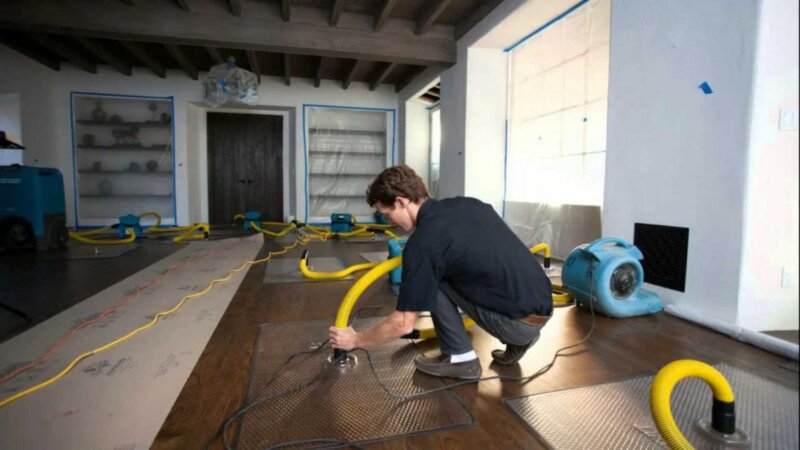
The complexity of the job also depends on the layout of your home. A single-story ranch home in a subdivision is typically easier and cheaper to dry out than a multi-level home where water has migrated from an upstairs bathroom down through the floor joists into the kitchen ceiling. The use of specialized equipment like injectidry systems for walls or floor mats for hardwood can add several hundred dollars to the daily equipment rental fee. If you need a professional to assess your specific situation and provide a detailed breakdown of costs, you can contact us to schedule a comprehensive inspection of your property.
Hidden Expenses: Mold and Structural Damage
A major portion of the water damage restoration lafayette budget is often allocated to things the homeowner cannot see. When water sits in wall cavities, it saturates the insulation and the wooden studs. If these are not dried to the proper “dry standard” using moisture meters, mold will inevitably grow behind the new drywall. Mold remediation is a separate service that typically adds $1,500 to $4,000 to the total cost. This includes the use of HEPA scrubbers, negative air machines, and specialized antimicrobial agents to ensure the air quality in your home remains safe for your family and pets.
Structural repairs are the final piece of the pricing puzzle. If the water has compromised the integrity of your subflooring or caused support beams to swell and crack, you will need a licensed contractor to perform reconstruction. In Indiana, where basement flooding is common, many homeowners find that they need to replace entire sections of their finished basement, including baseboards, carpeting, and electrical outlets. These reconstruction costs often equal or exceed the initial mitigation costs, making it vital to have a clear understanding of your insurance coverage for both “water damage” and “flood damage,” which are often handled as separate policies.
Maximizing Your Insurance Claim
For most Lafayette residents, the cost of water damage restoration Lafayette is largely offset by a homeowners’ insurance claim. Most policies cover “sudden and accidental” water discharges, such as a burst pipe or a water heater failure. However, they may not cover damage caused by “seepage” or lack of maintenance over several months. To ensure your claim is approved and you receive the maximum reimbursement, it is critical to document every aspect of the loss. Take high-quality photos of the source of the leak, the standing water, and every piece of damaged personal property, such as furniture or electronics.
Professional restoration companies in Lafayette often use a software called Xactimate to generate their estimates. This is the same software used by major insurance adjusters, which helps streamline the approval process because the pricing is standardized based on local Indiana market rates. By hiring a professional who understands the insurance language and requirements, you can often avoid out-of-pocket expenses beyond your deductible. Always ask your restoration partner if they offer direct insurance billing to save you the hassle of managing large payments while your home is under construction.
Frequently Asked Questions
How much does it cost to dry out a basement in Lafayette?
Drying out a flooded basement typically costs between $1,500 and $5,000. The price depends heavily on whether the basement is finished or unfinished. Unfinished basements with concrete floors are much cheaper to dry than finished basements with carpeting, drywall, and specialized insulation that must be removed and replaced.
Will my insurance pay for water damage restoration?
In most cases, yes, if the damage was caused by a sudden event like a pipe burst. However, traditional homeowners’ insurance usually excludes damage from rising groundwater or river flooding unless you have a separate flood insurance policy through the NFIP or a private provider.
Does mold always grow after water damage?
Mold does not always grow, but it is highly likely if the area is not dried within 24 to 48 hours. Professional water damage restoration Lafayette focuses on rapid evaporation and humidity control to prevent mold spores from activating, which is much cheaper than performing mold remediation later.
How is the cost per square foot calculated?
The cost per square foot for restoration includes the labor for extraction, the daily rental of drying equipment, and the application of sanitizing agents. For a clean water loss, the national average is around $3.75 per square foot, while black water losses involving sewage can exceed $7.00 per square foot due to the hazardous nature of the work.
Can I save money by drying the water myself?
While you can mop up surface water, household fans and shop-vacs are rarely powerful enough to remove moisture from deep within structural materials. Attempting a DIY fix often leads to “hidden” moisture that causes mold and structural rot months later, ultimately costing thousands more in repairs than a professional mitigation would have cost initially.
Conclusion
Facing water damage is a stressful experience, but understanding the financial landscape of water damage restoration Lafayette can help you make informed decisions during a crisis. From the initial extraction of clean water to the complex sanitization of storm-related flooding, the goal is always the same: returning your home to a safe and dry state as efficiently as possible. While the costs can vary based on local restoration cost factors and the severity of the intrusion, investing in professional services is the best way to protect your property’s long-term value. At Guardian Angel Restoration, we pride ourselves on being a trusted partner for Lafayette homeowners, offering transparent pricing and expert guidance through the insurance process. If you find yourself dealing with an unexpected leak or flood, remember that the professionals at Guardian Angel Restoration are here to help you navigate the recovery process from start to finish.