
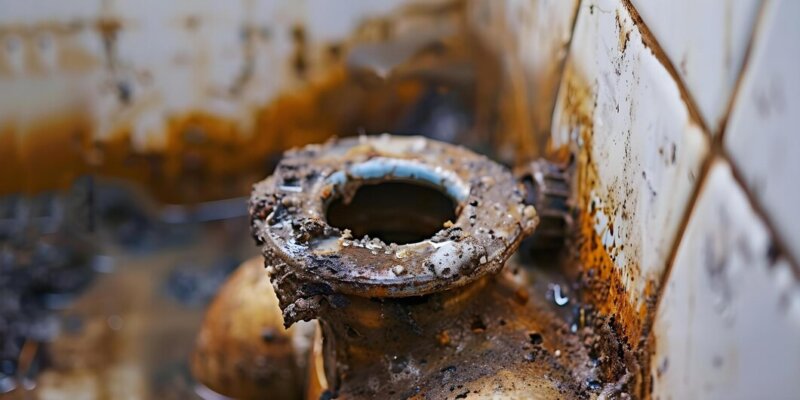
Dealing with a sewer backup in your home can be overwhelming and stressful. The mess, the smell, and the potential health risks make it a situation no one wants to face. However, knowing what to do when a sewer backup happens can make the ordeal much more manageable.
This article will explore the crucial steps to take when your home has a sewer backup. From recognizing the warning signs to essential cleanup tools and preventive measures, we’ll cover everything you need to know. Let’s start turning your home back into a clean, safe space.
Recognizing the Signs of Sewer Backup
Knowing the signs of a sewer backup can save you a lot of trouble. The first red flag is slow drains. If sinks, tubs, or toilets drain slower than usual, it might indicate a blockage in your sewer line. Pay attention if multiple drains are slow at the same time.
Another common sign is a gurgling sound from your drains or toilets. This noise happens when air is trapped in the pipes due to a blockage. If you hear these strange sounds, it’s a good idea to check other fixtures in your home to see if they’re having issues, too.
You might also notice a foul smell coming from your drains. This unpleasant odor signals that something is blocking the sewer line and causing waste to return. The smell often worsens after using water, like when you flush the toilet or run the washing machine.
Finally, look for water backups in your basement or around floor drains if water appears where it shouldn’t, especially after heavy rain, it’s likely a sewer backup. Recognizing these signs early can help you address the problem before it causes significant damage.
Immediate Steps to Take When a Backup Occurs
When you experience a sewer backup, you first must stay calm. Acting quickly and efficiently can minimize the damage. Start by cutting off the water supply to prevent more water from entering the sewer system. Locate your home’s main water valve and turn it off.
Next, avoid using plumbing fixtures, including sinks, toilets, and showers. Using water can worsen the backup and lead to more flooding. It’s important to warn everyone in your home so they don’t accidentally exacerbate the problem.
Move any valuables or furniture away from the affected area. Water from a sewer backup is contaminated, so you want to protect your belongings as much as possible. Put on protective gear like gloves, boots, and masks before entering the contaminated area to avoid contact with harmful bacteria.
Finally, call a professional for help. Sewer backups are complicated and often require expert handling. A professional can assess the situation, clear the blockage, and guide you on the next steps for cleaning and restoration. Acting quickly can help you get your home back to normal faster.
Essential Tools and Supplies for Cleanup
Cleaning up after a sewer backup requires specific tools and supplies to ensure everything is done correctly and safely. Before you start, gather these essential items.
1. Protective Gear: This includes gloves, waterproof boots, masks, and safety goggles. Sewer water contains harmful bacteria, so you must protect yourself from exposure.
2. Heavy-Duty Trash Bags: Use these to dispose of contaminated items, like rugs or furniture parts, that cannot be cleaned or salvaged.
3. Cleaning Solutions: Prepare disinfectants and strong cleaners. Look for products specifically designed to kill bacteria and germs.
4. Wet/Dry Vacuum: This tool helps remove standing water. It can handle wet and dry debris, making cleaning easier.
5. Mops and Buckets: You’ll need these for scrubbing floors and surfaces. Make sure to have plenty of clean water available for rinsing.
6. Dehumidifiers and Fans: These help to dry out the area faster and prevent mold growth. Running them for several days can help reduce moisture in the air.
7. Absorbent Materials: Have plenty of towels, rags, or absorbent pads to soak up excess water and clean affected areas.
Equip yourself with these tools and supplies to handle sewer backup cleanup effectively. Having the right items makes the process smoother and safer for everyone involved.
Preventing Future Sewer Backups
Preventing future sewer backups requires regular maintenance and a few simple steps. By taking action now, you can avoid the headache of dealing with another messy situation.
First, be mindful of what you flush down the toilet and drain. Avoid flushing items like wipes, diapers, or feminine products, as they do not break down easily and can cause blockages. In the kitchen, never pour grease or oil down the sink. These substances can solidify and clog your pipes.
Consider installing a backwater valve. This device allows sewage to flow out of your home but prevents it from returning during heavy rain or floods. A backwater valve is a small investment that can save you from big problems down the line.
Schedule regular inspections and cleanings of your sewer line. Professionals can use cameras to check for cracks, tree roots, or blockages that might cause backups. Regular maintenance can catch potential issues early and keep your sewer lines running smoothly.
Lastly, consider landscaping around your home. Tree roots are a common cause of sewer line damage—plant trees and large shrubs away from your sewer lines to prevent roots from growing into the pipes.
Conclusion
Dealing with a sewer backup can be challenging, but recognizing the signs and taking immediate action will help you manage the situation effectively. Ensure you have the essential tools and supplies for a thorough cleanup. Taking preventive measures can also reduce the chances of facing this issue again.
At Guardian Angel Restoration, we understand how stressful sewer backups can be for homeowners. Our restoration company in Indianapolis is here to provide expert guidance and support every step of the way. If you need help with sewer backup or other restoration services, contact Guardian Angel Restoration today. We’re here to restore your peace of mind and keep your home safe.