
Water damage can strike without warning in homes and commercial properties across Indianapolis, and the aftermath often extends far beyond simple cleanup. When faced with a flooded basement, burst pipe, or severe storm infiltration, swift, professional intervention is crucial. Water Damage Restoration Indianapolis relies on specialized techniques—such as water extraction, moisture mapping, structural drying, and antimicrobial treatments—to mitigate damage, prevent mold, and restore structural integrity. By engaging experts with IICRC-certified restoration credentials, property owners benefit from adherence to the ANSI/IICRC S500 Standard and access to industry-leading equipment. This combination significantly reduces long-term repair costs, limits health hazards, and accelerates the return to normalcy for families and businesses.
What if I have water damage in Indianapolis?
Water Damage Restoration Indianapolis requires an immediate, methodical response to limit structural damage and mold proliferation. The first critical step is to secure the property by stopping water intrusion at its source—whether that is the main shut-off valve for a burst pipe or sandbags against a flood breach. Promptly contacting certified professionals prevents secondary issues such as warped hardwood floors, saturated insulation, and compromised drywall. Once the immediate threat is controlled, technicians deploy high-capacity water extractors and industrial dehumidifiers to remove standing water and lower relative humidity. Rapid intervention not only preserves building materials but also ensures compliance with flood insurance carriers’ mitigation clauses, making claim processes smoother.
How does IICRC certification impact restoration outcomes?
Water damage restoration is a technical discipline that demands rigorous training. The Institute of Inspection, Cleaning and Restoration Certification (IICRC) sets the benchmark for competency through its comprehensive training programs. Technicians who achieve IICRC certification in water damage restoration gain mastery over critical topics such as water classification (categories 1 through 3), water migration patterns, psychrometry, and equipment calibration. They rigorously apply the ANSI/IICRC S500 Standard, which outlines best practices for inspection, drying goals, and pre-drying planning. This ensures that restoration follows a scientifically validated protocol rather than guesswork, significantly reducing the risk of hidden moisture pockets that lead to mold growth and structural decay.
Why is prompt action critical for water damage in Indianapolis?
Indianapolis’s fluctuating climate—from late spring thunderstorms to winter thaw cycles—can rapidly introduce moisture into vulnerable building envelopes. Standing water, if not removed within 24 to 48 hours, becomes a breeding ground for mold and mildew that can trigger allergic reactions and respiratory issues. Furthermore, prolonged moisture exposure weakens structural components such as engineered hardwood subfloors and load-bearing beams. Certified water remediation experts use moisture meters, infrared cameras, and hygrometers to locate hidden wet zones behind walls and beneath flooring, setting precise drying targets. By controlling relative humidity and promoting efficient evaporation, they protect against microbial colonization and safeguard indoor air quality for occupants.
What qualifications define certified water remediation experts?
Becoming a certified water remediation expert involves a multi-stage training process. Candidates study water extraction techniques, drying equipment operation, pack-out and content restoration, and safety protocols for handling potentially contaminated water. Many programs also cover mold remediation fundamentals and structural repair methods. Technicians must pass rigorous written and practical examinations to earn IICRC credentials, which require ongoing continuing education to maintain. In addition to IICRC certification, top-tier professionals often hold OSHA safety training, lead-safe renovation credentials, and specialized flood restoration certifications. This combination of qualifications ensures that the chosen restoration team delivers comprehensive service—from initial damage assessment through final reconstruction—while maintaining workplace safety and environmental compliance.
What services should a reputable restoration company offer?
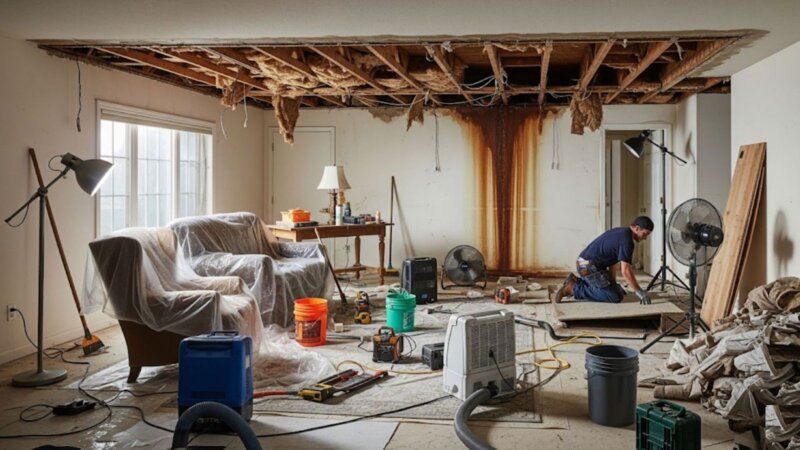
A full-service restoration firm will manage every phase of recovery. Initial damage assessment includes documenting loss with digital imaging and moisture readings, creating a detailed scope of work. Water extraction follows, employing submersible pumps and portable extractors to remove water efficiently. Structural drying incorporates air movers, desiccant dehumidifiers, and engineered airflow strategies to meet drying goals. Simultaneously, antimicrobial treatments and sanitization processes prevent mold, bacteria, and odors. Beyond mitigation, certified technicians coordinate content pack-out, specialized cleaning of textiles and electronics, and reconstruction services—ranging from drywall replacement to full-scale remodeling. They also provide insurance claims assistance, preparing detailed inventories and scope narratives that expedite the approval process.
Water Damage Restoration Indianapolis services should seamlessly integrate advanced moisture control with transparent communication. A leading restoration firm keeps property owners informed with daily progress updates, moisture tracking logs, and cost estimates aligned with insurance adjusters’ requirements.
How does the ANSI/IICRC S500 Standard guide best practices?
The ANSI/IICRC S500 Standard is the industry’s authoritative guideline for professional water damage restoration. It establishes a structured methodology for each project phase:
- Inspection: Identifying water category and class based on contamination level and absorption potential.
- Drying Plan: Calculating drying goals for moisture content, temperature, and relative humidity.
- Equipment Selection: Determining air movers, dehumidifiers, and heating sources by square footage and water load.
- Monitoring: Conducting daily moisture readings to adjust airflow, dehumidification, and heating as conditions evolve.
- Post-drying inspection: Verifying that moisture levels conform to baseline or material-specific standards.
By following S500 protocols, IICRC-certified restoration teams minimize subjective judgment calls, ensuring efficient, repeatable outcomes across diverse scenarios—from basement floods to commercial HVAC leaks.
What role does moisture mapping play in effective drying?
Moisture mapping leverages moisture meters and infrared scanning to chart moisture distribution within building assemblies. Certified professionals create a visual or digital moisture map that tracks moisture migration pathways behind walls, under flooring, and inside structural voids. This precision prevents under-drying, which can leave hidden damp spots that later erupt as mold colonies. Moisture mapping also documents pre- and post-drying conditions, offering transparency to insurance adjusters and reinforcing that industry-accepted drying goals have been met. When combined with psychrometric calculations, moisture mapping optimizes equipment deployment and runtime, reducing energy costs and project duration.
What equipment does IICRC-certified restoration employ?
State-of-the-art restoration equipment empowers technicians to control drying environments precisely. Key tools include:
- High-capacity submersible pumps for fast standing water removal
- Portable water extractors with heated head capability
- Centrifugal and axial air movers to accelerate surface evaporation
- Refrigerant and desiccant dehumidifiers for controlled moisture removal
- Drying chambers and floor mat systems for focused under-carpet drying
- Hygrometers, thermohygrographs, and infrared cameras for ongoing moisture monitoring
These technologies, coupled with calibrated air systems, ensure that drying proceeds evenly, preventing oversight of moisture-laden pockets and streamlining the path to full structural restoration.
How does mold remediation integrate into water damage services?
Mold remediation is inseparable from water damage restoration because microbial growth begins within 24 to 48 hours of water intrusion. Certified teams perform containment strategies to prevent cross-contamination, establishing negative air pressure within affected zones and utilizing HEPA-filtered air scrubbers. Materials with irreparable mold colonization—such as porous insulation or saturated gypsum board—are removed and discarded following EPA-approved guidelines. Remaining structures undergo antimicrobial spraying or fogging with EPA-registered biocides, ensuring sanitary conditions before reconstruction begins. Post-remediation clearance testing verifies that spore counts meet industry-acceptable thresholds, safeguarding occupant health.
What insurance and documentation support does a reputable company provide?
Navigating flood insurance, homeowner’s coverage, and commercial policies can overwhelm property owners. A reputable restoration company assigns a dedicated claims coordinator to prepare a detailed inventory of damaged items, compile pre-loss condition photographs, and draft a comprehensive scope of work. This documentation aligns with ISO Xactimate line items, facilitating transparent cost estimates for insurers. Certified restoration specialists also understand policy language around coverage sublimits, depreciation, and additional living expenses, helping clients maximize their claim settlement. Clear, itemized invoices and moisture tracking reports eliminate guesswork in the claim approval process, accelerating reimbursement timelines.
Comparative Overview of Water Damage Categories and Classes
| Category of Water | Contamination Level | Class of Water Damage | Typical Restoration Focus |
| Category 1 | Clean water from supply lines or rainwater | Class 1: Minimal water retained | Surface drying, air movers |
| Class 2: Significant absorption | Wall cavity drying, dehumidifiers | ||
| Category 2 | Grey water with contaminants (appliances) | Class 3: Greatest absorption | Floor removal, aggressive sewage |
| Category 3 | Black water (sewage, floodwater) | Class 4: Specialty drying required | Structural cavity drying, demo |
Why choose an IICRC-certified team for emergency response?
When floodwaters surge—whether from a levee breach, heavy spring runoff, or a malfunctioning sump pump—swift mobilization of certified professionals is the difference between manageable mitigation and total reconstruction. IICRC-certified crews maintain 24/7 readiness with fully stocked response vehicles carrying pumps, extractors, and power generators. They assess hazards such as electrical risks, structural instability, and biohazardous contamination before initiating mitigation. Their advanced training ensures that emergency water removal, structural drying, and sanitation protocols unfold seamlessly even under challenging conditions. This level of preparedness secures property, valuables, and occupant safety throughout the restoration process.
How do local climate factors influence restoration strategies?
Indianapolis weather patterns—ranging from spring thunderstorms to freezing winter melt—create unique restoration challenges. High humidity in summer increases drying times, while sub-freezing temperatures can freeze moisture within wall voids, delaying remediation until thaw. IICRC-certified professionals adjust drying plans seasonally, employing supplemental heat sources, temporary enclosures, and specialized desiccant dehumidifiers to maintain optimal performance. Understanding local flood zones, stormwater runoff paths, and municipal drainage capacities informs pre-emptive mitigation advice, such as grading adjustments and sump pump enhancements that reduce future risk.
What ongoing maintenance prevents future water damage?
After restoration, property owners should implement proactive measures to mitigate recurrence. Routine maintenance tasks include:
- Annual inspection of sump pump operation and float switches
- Gutter cleaning and extension of downspouts away from foundation
- Installation of backflow prevention valves on sewer connections
- Periodic checks of roof flashing, window seals, and door thresholds
- Seasonal HVAC maintenance to ensure proper condensate drainage
Such preventive steps complement professional restoration, protecting structural elements and interior contents from future water intrusion events.
How does Guardian Angel Restoration deliver unmatched service?
As a locally owned company rooted in Indianapolis, Guardian Angel Restoration understands the city’s specific structural styles—from Craftsman bungalows to modern commercial buildings. Their IICRC-certified technicians have restored hundreds of residential basements and business properties, leveraging advanced drying chambers, moisture-resistant materials, and EPA-registered antimicrobials. Every project begins with a thorough inspection, psychrometric analysis, and collaborative strategy session with the client. Real-time progress tracking is provided through secure client portals, ensuring transparency at every stage. With a commitment to community resilience, Guardian Angel Restoration also provides educational workshops on flood preparedness and partners with local insurance agents to streamline the claims process.
In Indianapolis, homeowners and business proprietors turn to Contact us for immediate expert guidance on water damage scenarios.
Conclusion
Water damage disrupts lives, threatens property investment, and poses health risks if not addressed swiftly and correctly. For Indianapolis residents and businesses, choosing IICRC-certified restoration professionals is essential to achieving industry-standard drying goals, preventing mold, and ensuring structural integrity. Water Damage Restoration Indianapolis performed by a team certified in ANSI/IICRC S500 protocols leverages advanced moisture mapping, calibrated drying equipment, and rigorous documentation—streamlining insurance claims and safeguarding occupants. When comprehensive restoration and compassionate service matter most, trust Guardian Angel Restoration to deliver unparalleled expertise and resilient outcomes. Water damage may be inevitable, but with the right certified restoration partner, its impact becomes a temporary disruption rather than a permanent setback.
Frequently Asked Questions
What is the first step when discovering water damage in an Indianapolis home?
The initial action is to identify and stop the source of water—shut off the main water supply for plumbing leaks or secure the perimeter against flooding. Next, contacting an IICRC-certified water damage restoration firm ensures that professionals arrive quickly to document damage, deploy extraction pumps, and begin stabilizing the environment. Early intervention curtails material deterioration and mold risk.
How long does professional water damage restoration take?
Project duration depends on water category, damage class, affected square footage, and environmental conditions. Small Class 1 jobs may conclude in 2–3 days, while Class 3 contaminated floods can require one to two weeks for complete drying and sanitation. Ongoing moisture monitoring adjusts timelines dynamically, ensuring strict adherence to drying goals.
Will my homeowner’s insurance cover water damage restoration in Indianapolis?
Most homeowner’s policies cover sudden and accidental water damage, such as burst pipes or storm infiltration, subject to coverage limits and deductibles. Flood insurance through the National Flood Insurance Program (NFIP) is required for floodplain properties. Restoration firms often include claims coordination services to align mitigation efforts with insurance requirements and speed up reimbursement.
Why is mold remediation included in water damage services?
Mold spores flourish in damp environments, colonizing porous materials within 48 hours of water intrusion. Professional restoration integrates mold remediation steps—including containment, HEPA filtration, and EPA-approved antimicrobial treatments—to eliminate active colonies and prevent spore re-release. This holistic approach restores both structural integrity and indoor air quality.
Can I perform water damage restoration myself?
DIY approaches may address minor moisture events, but they risk overlooking hidden wet pockets, inadequate drying, and improper sanitization. IICRC-certified professionals bring specialized equipment, psychrometric expertise, and industry-tested protocols that minimize long-term risks and ensure comprehensive recovery. For substantial damage, engaging experts safeguards health and property.