

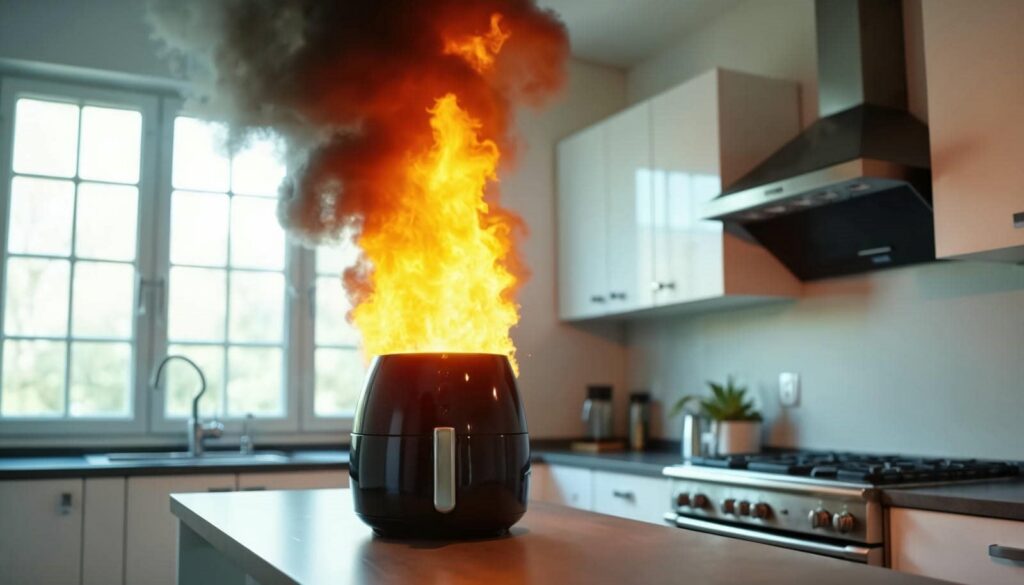
If you’ve just discovered fire damage and, by coincidence, the smoke smell is strongest where the water line stops, you’re already seeing why cleanup takes more than surface work. You’ll need a careful inspection of soot, smoke, and hidden water damage, plus debris removal, salvage of recoverable items, cleaning, deodorizing, and possible repairs. Each step affects safety and restoration, and the next one can change what’s possible.
Key Takeaways
- Fire damage cleanup includes securing the site, documenting damage, and isolating affected areas for safe restoration.
- It involves removing soot, smoke residue, charred materials, and damaged debris in controlled stages.
- Crews assess smoke, soot, and water damage using moisture meters, thermal imaging, and residue testing.
- Salvageable items are packed out, cleaned, dried, and deodorized using specialized restoration methods.
- Cleanup may also include repairs to damaged framing, insulation, flooring, and other structural components.
What Fire Damage Cleanup Includes
Fire damage cleanup includes a coordinated process of removing soot, smoke residue, and charred materials while stabilizing the property for restoration.
You’ll see crews secure the site, document damage, and isolate affected areas so your project stays controlled.
For what’s included in fire damage cleanup, technicians remove debris, clean salvageable surfaces, and pack out contents for careful handling.
They also deodorize rooms, treat lingering contamination, and address structural concerns before repairs begin.
You’re not left guessing; each step follows a clear plan that protects your home and helps you feel supported.
When you work with a trained team, you get a methodical cleanup process that restores order, reduces risk, and prepares your space for the next phase of recovery.
How Smoke, Soot, and Water Damage Are Checked
After the initial cleanup, technicians assess how far smoke, soot, and water have spread so they can choose the right restoration method.
You’ll see them inspect walls, ceilings, insulation, flooring, and hidden cavities for residue and moisture. They use moisture meters, thermal imaging, and smoke-detection tools to map contamination and identify materials that absorbed odor or water.
Soot tests help determine whether the residue is dry, oily, or corrosive, which affects cleaning chemistry. They also check for warping, staining, and microbial risk from lingering dampness.
This evaluation gives your team a clear plan and helps you stay informed at every step. By documenting each affected area, the technicians can restore your space safely, efficiently, and with the care your household deserves.
How Debris Is Removed and Salvageable Items Saved
Technicians carefully sort debris to separate unsalvageable materials from items that can still be restored.
You’ll see crews tag affected contents, record locations, and move fragile pieces with gloves, dollies, and wrapped containers. They remove charred drywall, insulation, flooring, and other structural waste in controlled stages so they don’t spread loose soot or cause extra damage.
Usable furniture, documents, electronics, and keepsakes get isolated for cleaning, drying, or storage. You stay informed as the team catalogs each item and notes its condition, which helps you understand what’s leaving and what’s being preserved.
This organized process reduces clutter, protects recoverable belongings, and gives your space a clear path toward repair. By working methodically, the crew helps you feel supported and confident throughout cleanup.
How Professionals Clean and Deodorize Fire Damage
Restoration crews begin by evaluating the type and extent of soot, smoke, and heat damage so they can choose the right cleaning method for each surface.
You’ll see them work methodically, using specialized products and controlled techniques to lift residues without spreading them. They’ll also target odors at their source, helping your space feel safe and familiar again.
Typical steps include:
- Dry soot removal with HEPA vacuums and sponges
- Wet cleaning for nonporous surfaces and fixtures
- Detailed wiping of walls, trim, and contents
- Deodorizing with air scrubbers, thermal fogging, or ozone alternatives
You’re not left guessing; each step aims to restore clean air, reduce contamination, and bring back comfort.
With careful attention, your property starts to feel like home again.
When Fire Damage Cleanup Requires Repairs
Even when cleaning removes soot, smoke residue, and odor, some fire damage goes beyond surface treatment and needs repairs.
You may need structural fixes when heat warps framing, weakens joists, cracks drywall, or damages roofing, wiring, and plumbing. A restoration team inspects hidden cavities, tests materials, and documents what can’t be safely cleaned.
If cabinets char, insulation melts, or windows fail, they’ll remove damaged components and rebuild them to match your home’s standards. This isn’t just about appearance; it protects safety, code compliance, and long-term durability.
You’re not facing this alone. Skilled professionals guide you through each repair step, coordinate trades, and keep your space stable, secure, and ready for the next phase of recovery.
Final Thoughts
When you choose fire damage cleanup services, you get more than simple cleanup—you get a coordinated process that restores safety, order, and peace of mind. You’ll have smoke, soot, water, and structural damage checked, debris removed, salvageable items protected, and odors neutralized with specialized methods. If repairs are needed, they’re handled too. Coincidentally, the same careful steps that remove contamination also help you see your property clearly again, so you can move forward with confidence.