
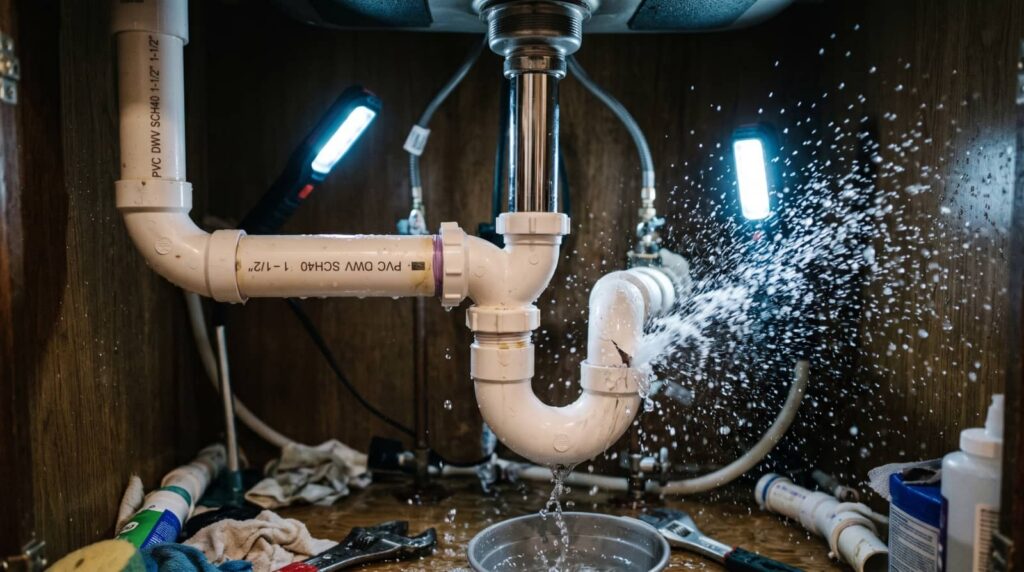
When a pipe bursts, you need to shut off the main water supply right away and limit the spread before damage climbs. You can move furniture, raise valuables, and start removing standing water if it’s safe to do so. For extensive water intrusion, Flood Damage Restoration professionals can address hidden moisture, helping reduce the risk of mold, structural damage, and costly repairs. Knowing what to do now can change the outcome fast.
Key Takeaways
- Shut off the main water supply immediately and relieve pressure by opening a faucet.
- Protect belongings by moving furniture, rugs, and electronics away from wet areas.
- Remove standing water with towels, a wet/dry vacuum, or mops while waiting for help.
- Cut power near affected areas and keep people and pets away from slippery floors.
- Dry, sanitize, and repair damaged materials promptly with professional restoration support.
Shut Off the Water and Stop the Leak
Quickly shut off the main water supply to stop the flow and limit further damage.
You should also open the nearest faucet to relieve pressure in the line and slow dripping from the break. If you can safely reach the pipe, turn off any local shutoff valve as backup.
Next, inspect the leak source without touching exposed wiring or slippery surfaces. Use towels or a bucket only if you can do so without delay, but focus on isolating the water first.
In burst pipe cleanup, this step protects your home and gives your crew a better chance to control the situation fast.
Stay calm, notify everyone in the space, and keep the area clear until repairs begin.
Protect Floors, Furniture, and Belongings
Once the water is off, move to protecting the surfaces and items that can absorb moisture or stain easily.
Put aluminum foil or plastic under furniture legs to prevent rust marks and wood transfer. Lift rugs, cushions, and boxes off wet floors, and set them on blocks or clean, dry towels. If you can safely move furniture, do it now to limit swelling and mold growth.
Keep fabric, paper, and electronics away from damp areas, and wrap delicate items in clean cloths or plastic. Use absorbent towels to blot visible water on hard floors, working from the outer edge inward.
Stay organized and label saved items so your household can track what’s dry, what’s damaged, and what needs repair soon.
What to Do While You Wait for Help?
While you wait for help, keep the area as safe and dry as possible by continuing to remove standing water with towels, a wet/dry vacuum, or mops if it’s safe to do so.
Shut off the main water supply if you haven’t already, and cut power to any outlets or circuits near affected rooms.
Ventilate the space by opening windows and doors only if outdoor conditions won’t worsen the damage.
Move people and pets away from wet areas, and mark slick floors so no one slips.
If you can, gather basic information for the plumber or restoration crew, including where the leak started and how long it’s been active.
Stay nearby, stay calm, and be ready to guide the team when they arrive.
Burst Pipe Cleanup and Water Extraction
Start burst pipe cleanup by removing standing water as soon as it’s safe, using a wet/dry vacuum, pump, mops, or professional extraction equipment to pull moisture out of floors, carpets, and hidden low spots.
You should work from the highest wet area toward the lowest so water doesn’t spread back into cleared spaces. Lift rugs, move loose items, and check under furniture legs where water can hide.
If the leak reached wall bases or seams, extract along edges to reduce wicking. Use buckets to empty recovery tanks quickly and keep suction strong.
Wear gloves and boots for protection. If water keeps returning, your team may need commercial extractors and truck-mounted tools.
Fast removal lowers saturation, limits contamination, and helps you stay in control together.
Dry, Sanitize, and Repair the Area
After extraction, dry the area thoroughly with air movers, dehumidifiers, and open access points so trapped moisture doesn’t keep damaging materials.
You should monitor moisture levels in drywall, framing, and flooring with a meter until readings return to normal.
Next, sanitize all affected surfaces with an antimicrobial solution to reduce bacteria, mold spores, and odors.
Don’t skip hidden cavities, baseboards, or insulation pockets where contamination can linger.
Once the space is dry and clean, repair damaged materials promptly.
Replace warped drywall, swollen trim, and compromised insulation before they spread problems.
If you’re part of a home or facility team, coordinate each step so everyone stays safe and the restoration stays on track.
Fast, methodical work helps you get the property back to a healthy, usable condition.
Frequently Asked Questions
How Do I Know if Pipes Are Frozen, Not Burst?
You’ll notice frozen pipes when water stops flowing, faucets sputter, and exposed pipes feel cold or frost-covered. A burst pipe usually leaks, drips, or sprays water. If you’re unsure, shut off water and inspect carefully.
Does Homeowners Insurance Cover Burst Pipe Water Damage?
Usually, yes: about 1 in 50 insured homes file water-damage claims yearly. You’ll likely get coverage for sudden burst-pipe damage, but not neglect. Check your policy, act fast, and document everything.
Can I Use Tap Water After a Burst Pipe?
Not until you confirm it’s safe. You should flush lines, inspect for contamination, and test pressure and discoloration. If water looks cloudy, smells odd, or advisories exist, you shouldn’t drink or cook with it.
How Long Does Burst Pipe Cleanup Usually Take?
Burst pipe cleanup usually takes one to seven days. You’ll handle water extraction fast, but drying, sanitizing, and repairs can take longer if walls, flooring, or insulation soaked up moisture.
When Should I Replace Damaged Drywall or Insulation?
You should replace drywall or insulation after it’s soaked, swollen, stained, or moldy; one hidden leak can waste 90 gallons daily. You’ll protect your home, preserve air quality, and keep your crew’s repairs lasting.
Final Thoughts
When a pipe bursts, you don’t get the luxury of waiting for “later.” You shut off the water, lift what you can, and pull out standing water fast. Then you dry, sanitize, and repair before moisture turns your walls into a silent mold factory. If the damage spreads, call professionals—because a small leak can become a very expensive indoor swamp faster than you’d think.