
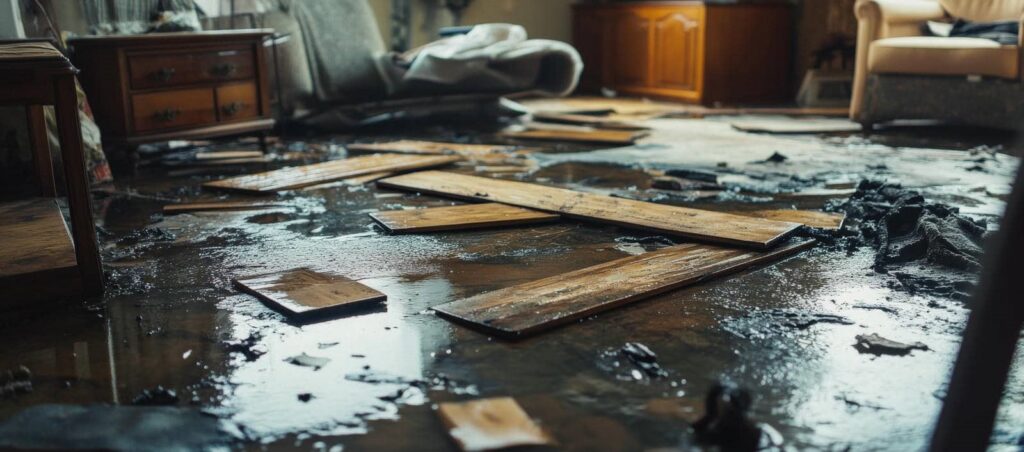
When you face water damage, understanding the cost of water damage restoration services is essential, as it can swing from a few hundred dollars to several thousand, depending on how much water entered, how long it sat, and what materials got soaked. You’ll also need to account for water category, hidden moisture, drying equipment, and demolition needs. Before you compare quotes, it helps to know which factors really move the price and which ones don’t.
Key Takeaways
- Water damage restoration typically costs a few hundred to several thousand dollars, depending on the extent of damage and repairs needed.
- Pricing increases with severity, affected square footage, hidden moisture, and the need for specialized drying or removal equipment.
- Clean water is cheapest to restore, while gray water and black water cost more due to safety and contamination concerns.
- Source matters: plumbing leaks usually cost less than storm, appliance, or sewer-related water damage.
- Quick action, proper documentation, and comparing detailed contractor quotes can help control costs and improve insurance claims.
What Does Water Damage Restoration Cost?
Water damage restoration typically costs anywhere from a few hundred to several thousand dollars, depending on how much water entered your property and how far the damage spread.
You’ll usually pay for inspection, water extraction, drying, cleaning, and basic repairs. The cost of water damage restoration services can rise when technicians need specialized equipment or must remove materials that won’t dry safely.
If you act quickly, you can often limit structural loss and reduce total expenses. Professional teams assess moisture levels, document conditions, and restore affected rooms so you can get back to normal faster.
In many cases, minor cleanup stays affordable, while more extensive work needs a larger budget. You’re not alone here; many property owners face the same challenge after leaks, bursts, or flooding.
Key Factors That Drive Restoration Costs
Your restoration cost rises with damage severity, because deeper saturation, structural impact, and longer exposure require more labor and equipment.
Water category also matters, since clean water is cheaper to handle than gray or contaminated water that needs stricter cleanup and disposal.
You’ll also pay more when materials must be removed and replaced instead of dried, cleaned, and salvaged.
Damage Severity
The more extensive the damage, the higher the restoration cost typically climbs, because crews need more labor, equipment, and time to dry, clean, and repair affected areas.
You’ll usually pay more when moisture reaches multiple rooms, structural materials, or hidden cavities, since technicians must inspect, remove, and stabilize each zone carefully.
- Affected square footage increases extraction and drying demands.
- Saturated drywall, insulation, and flooring often need removal.
- Hidden moisture raises diagnostic and monitoring labor.
- Structural warping or microbial risk can add repair steps.
If you’re comparing quotes, ask how the team measured the loss and what they included.
You’ll make better decisions when you understand whether the job needs simple surface drying or a broader recovery plan.
Water Category
Because not all water damage carries the same risk, the water category plays a major role in restoration pricing. You’ll usually see three categories: clean water, gray water, and black water.
Clean water from supply lines is the simplest to handle, so crews can often start mitigation quickly and keep labor lower.
Gray water from appliances or sinks may contain contaminants, so it requires more protection, monitoring, and cleanup steps.
Black water from sewage or floodwater is the most hazardous, and that raises costs because technicians must use stricter containment, sanitation, and safety controls.
The more contaminated the water, the more time and expertise your project needs. When you understand the category, you can better anticipate why one job feels routine while another demands a higher budget.
Material Replacement
Material replacement often becomes the biggest driver of restoration cost after contaminated water has been removed. You’ll usually need to replace materials that wick moisture, trap bacteria, or lose structural strength, and that can quickly raise your final bill.
Weigh each item carefully:
- Drywall and insulation that stayed wet too long
- Carpet, padding, and underlayment with mold risk
- Hardwood, laminate, or subflooring that warped
- Cabinets, trim, and finishes that can’t be sanitized
Your technician should document damage so you can compare repair versus replacement with confidence.
In many homes, matching existing materials also affects pricing, because specialty products cost more and take longer to source.
Water Damage Categories and Costs
Water damage restoration costs depend heavily on the category of water involved, since clean, gray, and black water each require different levels of cleanup, disinfection, and safety precautions.
You’ll usually pay less for clean water because crews can dry materials and sanitize surfaces quickly. Gray water costs more since it contains contaminants that call for stronger protective measures and more thorough cleaning.
Black water is the most expensive category because it can carry sewage or hazardous waste, so you need strict containment, removal, and disposal procedures.
These categories also affect labor time, equipment use, and the amount of material that can be saved.
If you’re part of a community facing water damage, understanding this scale helps you plan realistically and respond fast.
How Water Source Changes the Bill
Even within the same water category, the source of the water can shift your restoration bill considerably. A roof leak, broken supply line, or sewage backup each drives different labor, safety, and documentation needs, so you’ll see pricing move fast.
When you know the source, you can anticipate the level of containment, disposal, and repair coordination your team must provide.
- Clean plumbing leaks usually cost less because they’re easier to trace and contain.
- Appliance failures can raise costs if they spread under cabinets or flooring.
- Storm intrusion often adds exterior access and structural inspection fees.
- Sewer-related water usually costs the most because it demands stricter handling and reporting.
If you’re comparing estimates, ask which source assumptions were used; that’ll help you stay aligned with your restoration crew.
Drying and Cleanup Costs
You’ll also pay debris removal labor based on how much damaged material has to be hauled out and disposed of.
Drying time factors, like humidity, material saturation, and airflow, can extend the job and raise the final bill.
Equipment Rental Rates
Equipment rental often adds a significant share to your water damage restoration bill, especially when crews need dehumidifiers, air movers, HEPA air scrubbers, or extraction pumps for several days.
You’ll usually pay by the day or week, and higher-capacity units cost more because they move more air and remove moisture faster. Rental totals rise when technicians must stage equipment in multiple rooms or keep it running long enough to reach target humidity.
- Dehumidifiers: higher pint ratings mean higher rates.
- Air movers: quantity matters more than one unit’s price.
- HEPA scrubbers: these help control airborne particles.
- Pumps and hoses: fast extraction can shorten total runtime.
You can manage costs by approving only the equipment your space truly needs.
Debris Removal Labor
Once the equipment is in place, labor for debris removal and cleanup becomes another major part of your restoration cost. You’re paying for technicians to sort damaged materials, bag waste, and clear saturated contents so your space can move toward recovery.
Crews also remove flooring, drywall, insulation, and other unsalvageable items, then transport debris for disposal. The more contaminated or bulky the material, the more time and manpower your job needs. Labor rates often reflect crew size, safety gear, hauling requirements, and local disposal fees.
If you’ve got a large affected area, expect higher charges because workers must document, separate, and stage materials carefully. By understanding these labor tasks, you can compare estimates more confidently and feel better connected to the restoration process.
Drying Time Factors
When water lingers, drying time becomes a major driver of both cleanup and restoration costs. You’ll usually pay more when materials hold moisture, because crews need dehumidifiers, air movers, and repeated moisture checks.
Faster response helps your team keep the bill down and prevent secondary damage.
- Water category: Clean water dries quicker than contaminated water, which needs extra sanitation.
- Material type: Drywall, carpet, wood, and insulation each absorb and release moisture at different rates.
- Extent of saturation: Deeply soaked areas need longer equipment runtime and more labor.
- Ambient conditions: Humidity, airflow, and temperature directly affect evaporation speed.
You and your restoration crew can often reduce costs by starting drying early and tracking progress closely.
Common Repair Costs After Water Damage
You may pay to replace drywall, insulation, baseboards, and trim when they’ve wicked water or started to swell.
Flooring costs can rise fast: carpet padding is often discarded, while hardwood may need sanding, refinishing, or full replacement.
If cabinets or vanities soaked up moisture, you’ll likely need structural repair or new units.
You might also face costs for painting, sealing, and minor carpentry after demolition.
Hidden damage behind walls can add labor for inspection and rebuilding.
The sooner you act, the more likely you’re to keep repairs limited, protect your space, and stay in control of the total bill.
Water Damage Restoration Insurance Coverage
After you’ve handled the immediate repairs, the next big question is what your insurance will cover. You’ll usually get protection when a sudden, accidental event causes damage, like a burst pipe or appliance failure.
Policies often exclude slow leaks, maintenance issues, and floodwater, so check your declarations page and endorsements carefully. When you file a claim, document the loss fast and keep receipts for emergency work.
- Confirm the cause of loss.
- Review coverage limits and deductibles.
- Separate covered restoration from excluded upgrades.
- Ask whether mitigation costs need preapproval.
If you stay organized, you’ll move through the claim process with less stress and better odds of fair reimbursement.
How to Compare Water Damage Restoration Quotes
As you compare water damage restoration quotes, look beyond the total price and focus on exactly what each contractor is including. You should confirm whether the estimate covers inspection, moisture mapping, water extraction, drying equipment, antimicrobial treatment, demolition, and rebuild allowances.
Ask how they price labor, equipment rentals, and materials, and whether monitoring visits are included. Check for clear scope notes, photo documentation, and itemized line items so you can compare each bid on equal terms.
Verify response time, crew certifications, and whether the company uses its own technicians or subcontractors. If one quote looks much lower, make sure it isn’t missing steps you’ll need later.
A solid restoration partner will explain the process clearly and help you feel confident, informed, and supported throughout the project.
Ways to Lower Restoration Costs
You can lower water damage restoration costs by acting fast and controlling the scope of the loss before it spreads. Shut off the water source, document damage, and call a certified team right away so you’re not paying for extra demolition or mold growth. Quick decisions help you stay in control and protect your home.
- Remove standing water with pumps or wet vacs if it’s safe.
- Move furniture, rugs, and electronics to dry areas.
- Increase airflow with fans and dehumidifiers.
- Work with one contractor for drying, repairs, and claims support.
You’ll also save money by reviewing your policy, avoiding unnecessary upgrades, and approving only essential repairs.
When you act like a prepared homeowner, you keep costs down and recover faster.
Recap
Water damage restoration costs can swing from a few hundred dollars to several thousand, depending on the water category, affected square footage, and how fast you act. One useful benchmark: drying and cleanup can make up a large share of the total bill, especially when hidden moisture is involved. You can lower costs by calling a pro immediately, documenting damage for insurance, and comparing detailed quotes before you approve any work.