

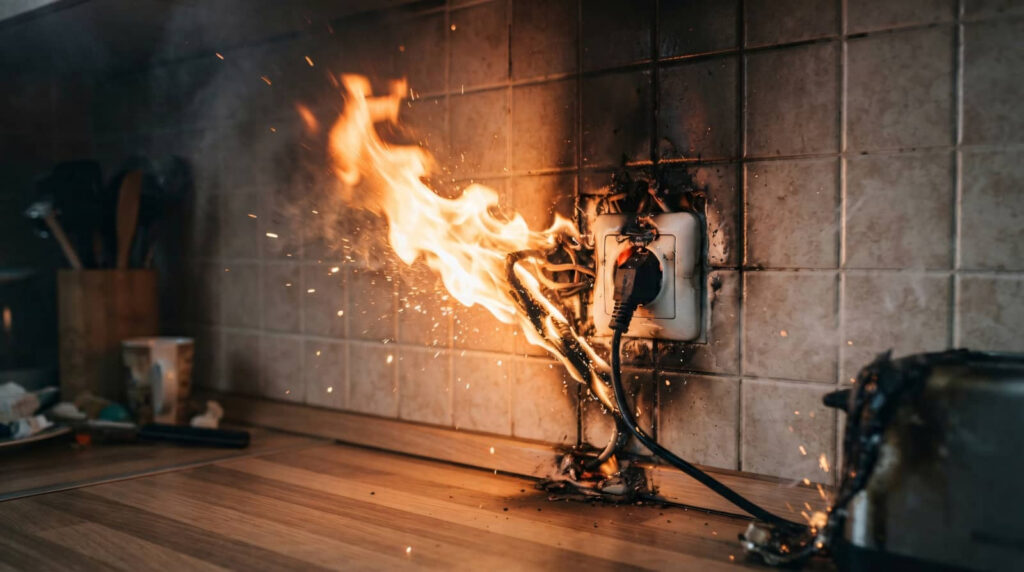
When a fire is out, you still face heat, soot, water, and unstable structures, and you need to act fast to limit further loss. You’ll need to secure the site, document damage, and start cleanup before smoke and moisture spread deeper into walls, contents, and air systems. The first hours can shape the entire recovery, and what happens next can determine how much you can save.
Key Takeaways
- Evacuate immediately, call 911, and wait for fire department clearance before entering the property.
- Emergency crews secure the site, assess structural damage, and stabilize weakened areas to prevent further collapse.
- Cleanup begins with water extraction, drying, and HEPA filtration to reduce secondary damage and improve air quality.
- Technicians remove soot, smoke residue, and contaminated debris using specialized cleaning and deodorizing methods.
- Fast documentation, insurance coordination, and clear communication help speed claims and restoration work.
What Fire Damage Cleanup Includes
Fire damage cleanup includes the rapid steps needed to secure your property, remove hazards, and begin restoration after a fire.
You’ll see technicians inspect structural damage, stabilize weakened areas, and address smoke, soot, and water contamination with precision.
Emergency fire damage cleanup services also document losses, extract debris, and isolate affected zones so damage doesn’t spread.
They use industrial air movers, HEPA filtration, and approved cleaning agents to protect surfaces and indoor air.
You stay informed throughout the process, and your property gets a clear plan for recovery.
This isn’t just cleanup; it’s coordinated restoration that helps you regain control and feel supported by a team that knows how to act fast when every minute counts.
What to Do Right After a Fire
If it’s safe to do so, you should get everyone out, call 911, and wait for the fire department before reentering the property.
Once firefighters clear the scene, stay alert for hidden hazards such as hot surfaces, weakened floors, and electrical damage. You should shut off utilities only if authorities say it’s safe.
Wear sturdy shoes, a mask, and gloves if you must enter briefly. Document visible damage with photos, but don’t touch soot-stained items more than necessary.
Contact your insurance provider and an emergency fire damage cleanup team right away so your home or business can move toward recovery with the right support.
Keep family members together, share updates, and follow official instructions. Acting fast helps protect your space and gives your crew a clear path forward.
How Fire Damage Cleanup Secures Your Property
Once a fire is out, a cleanup team moves fast to secure your property and stop further damage from spreading. They board openings, tarp exposed roof sections, and stabilize weakened walls so weather, theft, and collapse risks don’t grow.
You get a clear site assessment, then crews isolate unsafe zones, cut off compromised utilities, and document conditions for repair planning and insurance. They also remove standing water from firefighting, dry affected structural materials, and place supports where load-bearing elements need immediate attention.
This rapid stabilization protects your home or business and helps you feel backed by a trained response team that knows what comes next. With each step, your property becomes safer, more controlled, and ready for full restoration.
How Smoke, Soot, and Odors Are Removed
You need fast smoke extraction to clear airborne contaminants and stabilize indoor air quality after a fire.
Technicians then remove soot from surfaces with targeted cleaning methods that prevent further corrosion and staining.
To finish, they apply odor-neutralizing treatments that eliminate lingering smoke smells and help your property feel safe again.
Smoke Extraction Methods
Smoke extraction starts fast, because lingering smoke, soot, and odor can keep damaging your property long after the flames are out.
You’ll see our team deploy negative-air machines, HEPA filtration, and high-volume exhaust fans to pull contaminated air out and replace it with cleaner airflow.
We seal affected zones, create controlled pressure, and route smoke through filtered pathways so it doesn’t spread into untouched rooms.
Thermal fogging and hydroxyl generators can help neutralize airborne contaminants while drying equipment supports circulation.
You stay informed at every step, and you’re never left guessing.
This rapid, coordinated approach protects materials, speeds recovery, and helps your space feel safe again.
When your crew responds this way, you’re not handling damage alone—you’re moving forward with people who’ve got your back.
Soot And Odor Removal
Soot removal begins with careful surface assessment, because acidic residue can etch finishes, stain fabrics, and corrode materials if it stays in place.
You need fast, methodical cleanup to protect your home and everyone in it. Technicians vacuum dry soot with HEPA tools, lift oily film with specialized detergents, and seal porous materials that’ve absorbed smoke.
They also attack odors at the source, not just mask them, so your space starts feeling like yours again.
- HEPA vacuuming
- Dry sponge soot lift
- Detergent and solvent cleaning
- Thermal fogging and ozone treatment
You get targeted deodorization for walls, HVAC, textiles, and contents. Acting quickly reduces permanent discoloration, lingering smells, and health concerns, helping your household recover with confidence.
How Water Damage Is Cleaned Up After Fire Suppression
After fire suppression, you need rapid water extraction to stop moisture from spreading into flooring, walls, and structural materials.
Then technicians set up drying and dehumidification equipment to pull hidden moisture from the air and building components.
Acting quickly helps reduce secondary damage, limit mold growth, and speed up safe restoration.
Water Extraction
When firefighters put out the flames, excess water can quickly spread secondary damage, so emergency cleanup crews extract standing water right away to protect your property.
You’ll see technicians map affected rooms, isolate hazards, and use truck-mounted vacuums and submersible pumps to remove water fast. This step protects your structure, your contents, and your peace of mind.
- Basement pools near floor drains
- Carpet edges lift from saturated padding
- Furniture legs sit in shallow water
- Wall cavities show visible seepage
Crews also check for hidden pockets around cabinets, baseboards, and low spots, because water can migrate quickly after suppression.
You’re not facing this alone; the team works with urgency, precision, and respect, helping your space feel safe again.
Drying And Dehumidification
As soon as standing water is removed, crews set up air movers and industrial dehumidifiers to pull moisture out of floors, drywall, framing, and insulation before mold and warping can take hold.
You’ll see sensors track humidity, temperature, and moisture content so the team can adjust equipment fast and keep drying on target.
They direct airflow through concealed cavities, baseboards, and subfloors to chase hidden water that fire hoses leave behind.
You’re not waiting alone; you’re part of a coordinated recovery effort built to protect your structure and belongings.
As materials reach safe moisture levels, crews document readings, inspect for secondary damage, and prepare the space for cleanup and rebuilding with confidence and urgency.
What Happens During Content Cleaning and Salvage
During content cleaning and salvage, the restoration team inventories your belongings, separates recoverable items from unsalvageable ones, and moves salvageable contents to a controlled work area for rapid treatment.
You’ll see technicians document each item, tag it, and protect it from further contamination. Their process is fast, methodical, and built to keep your home’s most important pieces in the family.
- Pack-out and item tracking
- Surface decontamination and odor reduction
- Drying of porous materials
- Secure storage for cleaned contents
You’re not left guessing; you get clear status updates and a coordinated plan. Urgency matters because soot can etch, stain, and spread quickly, so prompt handling improves the chance of saving what matters most to you.
What Happens When Restoration Begins
Once the cleanup phase is complete, restoration crews move in to stabilize the structure, remove damaged materials, and start rebuilding the areas fire, smoke, and water have compromised.
You’ll see technicians seal openings, shore up weakened framing, and verify moisture levels before reconstruction begins. They coordinate demolition, debris removal, drying, and repairs in a tight sequence so you’re not left waiting while conditions worsen.
Damaged drywall, insulation, flooring, and trim get replaced with code-compliant materials, and affected systems are tested for safe operation.
Throughout the process, you stay informed, supported, and part of a team focused on getting your space back to usable condition quickly.
Every step reduces risk, restores integrity, and moves you closer to normal life again.
When to Call Fire Damage Cleanup Professionals
If you smell smoke, see soot staining walls and ceilings, or notice water pooling after a fire, call fire damage cleanup professionals right away. You’re protecting your home, your crew, and your routine.
These specialists assess structural risk, remove contaminated debris, and stabilize moisture before damage spreads. You shouldn’t wait for odors to fade or surfaces to dry on their own.
- charred framing
- wet drywall
- warped flooring
- lingering smoke residue
When these signs show up, you need trained help fast. Technicians use controlled drying, HEPA filtration, and surface cleaning to limit corrosion and indoor contamination.
Their rapid response helps your space feel safe again, and it keeps recovery moving with you, not against you.
How to Handle Insurance Claims After a Fire
After the fire is out, you need to file your insurance claim quickly and with clear documentation. Call your insurer, open the claim, and ask for your adjuster’s contact details.
Photograph every room, salvageable item, and damaged structure before cleanup starts. Keep receipts for emergency repairs, temporary housing, and protective equipment.
Don’t discard evidence unless it’s unsafe; your claim needs proof. Share your inventory list, policy number, and loss timeline, and request written confirmation of coverage decisions.
Work with your fire damage cleanup team so their reports align with the adjuster’s inspection. Stay organized, respond fast, and keep copies of every email and form.
You’re not handling this alone; your recovery crew, insurer, and restoration pros can move together and help you rebuild with confidence.
Frequently Asked Questions
How Soon Can Emergency Fire Cleanup Teams Arrive After a Fire?
You can usually get emergency fire cleanup teams within 1 to 2 hours, and sometimes sooner if you call right away. They’ll secure your site fast, limit damage, and start restoration immediately.
Are Fire Damage Cleanup Services Available 24/7?
Yes, you can usually reach fire cleanup services 24/7. You’ll get immediate support, and crews can mobilize anytime to assess damage, secure your property, and start restoration fast, helping you feel supported and protected.
What Certifications Should Fire Restoration Technicians Have?
You should look for IICRC certifications, OSHA safety training, and EPA lead or mold credentials. These badges signal skill, speed, and care, so you can trust your team to restore your place safely and swiftly.
Can Emergency Cleanup Prevent Long-Term Structural Damage?
Yes—you can prevent long-term structural damage when you act fast. You’ll stop moisture, soot, and corrosion from spreading, and you’ll protect framing, wiring, and finishes. Quick cleanup helps you restore safely and feel supported.
How Long Does the Initial Fire Damage Assessment Take?
Your initial fire damage assessment usually takes one to three hours, depending on your property’s size and damage. You’ll get a fast, thorough inspection, so you can feel confident, supported, and ready to act.
Review
After a fire, the “good news” is that the damage rarely stops at the flames. Smoke, soot, water, and weakened structures keep working against you until you act fast. You need emergency fire damage cleanup services to secure your property, remove hazards, and start restoration before losses grow. By calling professionals right away, you protect your health, document damage, and move closer to recovery with less stress and fewer surprises.