

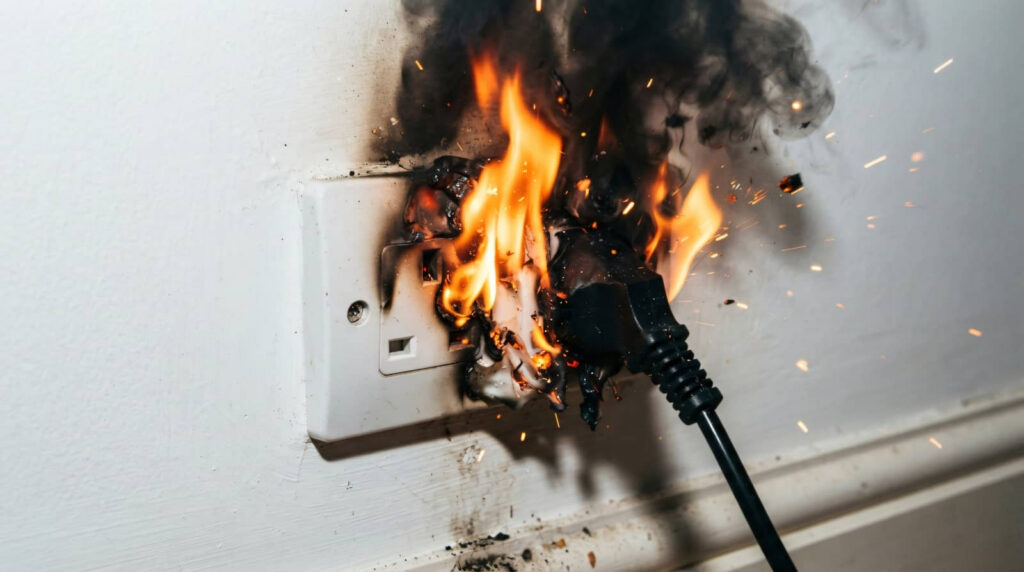
After a fire, you need to act methodically and safely. Fire Damage Cleanup should begin by contacting your insurer and a professional restoration team, then assessing fire, smoke, and water damage before deeper cleanup begins. Next, secure the property, remove hazards, and sort through what can be saved and what cannot. The real challenge often starts when soot, odors, and hidden structural issues begin to appear, which is why the next steps matter most.
Key Takeaways
- Ensure safety first, wait for clearance, contact your insurer, and document visible damage from a safe distance.
- Have a restoration team assess structural damage, moisture intrusion, hazardous areas, and secure the property against further loss.
- Remove unsalvageable materials, pack out damaged contents, and use HEPA vacuuming to clear loose soot and debris.
- Clean soot and smoke residue from surfaces with appropriate methods, then ventilate and treat odors throughout the property.
- Repair damaged materials, apply sealants or primers to stop odor and stain bleed-through, and call professionals for serious fire damage.
What to Do Right After a Fire
Right after a fire, you should make safety your first priority and avoid reentering the property until authorities confirm it’s safe.
Once cleared, contact your insurer and a trusted restoration team so you’re not handling the fire damage cleanup process step by step alone.
Keep your family together, document what you can from a distance, and preserve any official notices for your records.
Turn off utilities only if responders tell you to, and don’t move damaged items unless they create a hazard.
You’re not starting from scratch; you’re following a proven recovery plan with people who know the process.
Prompt communication helps your claim, protects your rights, and sets up the next phase of restoration with confidence and control.
Assess Fire, Smoke, and Water Damage
Once the property is safe to enter, a restoration team will assess the full extent of fire, smoke, and water damage so they can build an accurate cleanup plan.
You’ll get a room-by-room inspection that identifies burned materials, soot patterns, moisture intrusion, and affected contents. Technicians use moisture meters, thermal imaging, and visual checks to determine where hidden damage has spread.
They’ll document structural surfaces, HVAC components, insulation, and personal items, since smoke can travel far beyond the fire’s source. Water from suppression efforts can also weaken drywall, flooring, and framing, so they’ll note every wet area.
This careful assessment helps you understand what can be cleaned, what needs specialized treatment, and what requires replacement, giving your property team a clear, shared path forward.
Secure the Property and Remove Hazards
Before cleanup begins, the restoration team secures the property and removes immediate hazards to protect everyone on site. You’ll see doors locked, windows boarded, and vulnerable openings covered so unauthorized entry doesn’t add risk.
Technicians shut off gas, electricity, and water when needed, then verify the area’s stability before anyone moves deeper inside. They clear fallen debris, broken glass, sharp metal, and weakened materials that could injure you or the crew.
They also identify exposed wiring, structural damage, and slippery residues, marking each danger clearly. By controlling access and isolating hazards, the team creates a safer workspace and gives you confidence that the site is being handled with care.
This step protects your home, your family, and everyone helping restore it.
Begin Fire Damage Cleanup
With the site secured and hazards removed, the cleanup crew can start removing fire damage from the structure.
You’ll see technicians sort materials by salvageable, repairable, and unsalvageable conditions, so every step stays organized. They’ll document affected rooms, pack out damaged contents, and protect surfaces that aren’t being worked on.
Then they’ll use controlled demolition to remove burned drywall, insulation, trim, and compromised flooring. You can expect careful debris bagging and direct haul-away to keep the work area manageable.
Crews also scrape loose soot, vacuum dry residues with HEPA equipment, and clean structural framing before deeper repairs begin.
This methodical process helps you feel included in the recovery, because each action moves your property closer to a safe, stable, and rebuild-ready condition.
Remove Smoke Odors
After the visible fire damage is removed, technicians focus on smoke odor removal so the property doesn’t retain that burnt smell in walls, framing, and contents.
You’ll usually see a layered approach that treats air, surfaces, and hidden cavities. First, we ventilate and filter the air with HEPA and carbon equipment.
Next, we clean soot film from hard surfaces, because residue keeps releasing odor. Then we apply targeted deodorizing methods, such as thermal fogging or ozone, when conditions allow.
- Fresh air units push contaminated air out.
- Cleaners wipe trim, drywall, and fixtures.
- Deodorizers reach porous materials deep inside.
This process helps your space feel familiar again, and you’re not facing the lingering reminder alone.
Sort What You Can Save
You should assess each item for structural integrity, smoke exposure, and moisture damage to determine what’s salvageable.
Separate damaged belongings from cleanable contents so you can prevent further contamination and handle each category correctly.
Then prioritize high-value items and critical records for immediate recovery to keep the restoration process efficient.
Assess Salvageable Items
Next, professionals assess which items can be salvaged and separate them from materials that require disposal. You’ll see them check structural integrity, heat exposure, soot penetration, and moisture absorption so they can judge what’s recoverable.
This method keeps your space organized and helps you feel supported through each decision. They document each item, note its condition, and compare it against restoration standards before moving forward.
- They inspect furniture frames for warping, cracking, and smoke odor retention.
- They evaluate electronics for heat stress, corrosion, and safe repair potential.
- They review textiles, paper, and décor for staining, brittleness, and contamination.
With this careful review, you know your belongings are being handled with skill, respect, and clear purpose.
Separate Damaged Belongings
Once salvageable items are identified, professionals separate damaged belongings into clear categories so cleanup can move forward efficiently and safely.
You’ll see them sort items by material, damage level, and contamination risk, because each group needs a different handling method. Cleanable pieces go one way, structurally compromised items go another, and hazardous debris gets isolated for controlled disposal.
This step helps you avoid cross-contamination, reduces unnecessary loss, and keeps the work area organized. You stay informed throughout, so you can recognize what’s being protected, what’s being documented, and what must be removed.
That clarity matters when your home already feels unsettled. With a careful sorting system, your restoration team creates order fast, and you get a steadier path toward recovery together.
Prioritize High-Value Contents
With the damaged belongings separated, professionals can prioritize high-value contents and sort what’s worth saving first. You’ll see technicians evaluate condition, material, and replacement cost, then rank each item for immediate treatment. This method keeps your most important possessions in the recovery path and reduces avoidable loss.
Document: photos, records, and heirlooms get tagged for careful handling.
Stabilize: electronics, artwork, and furniture receive drying or cleaning.
Isolate: items beyond repair move out so salvage teams stay focused.
You’re not left guessing; the process is structured, measurable, and transparent. Your belongings are treated with respect, and your household gets a clear plan for what can be restored.
Clean and Restore Surfaces
You’ll clean each surface with the right method for the material, using HEPA vacuuming, dry wiping, or approved detergents to remove soot and residue without spreading contamination.
After cleaning, you’ll assess whether deeper restoration is needed, including odor treatment, corrosion control, or structural drying to stabilize the area.
Once the surface is clean and sound, you’ll seal or refinish it as needed to help lock out lingering damage and prepare it for safe use.
Surface Cleaning Methods
After the structure is safe and dry, technicians begin surface cleaning to remove soot, smoke residue, and other contaminants before they set restoration work in motion.
You’ll see them match methods to each material so the process stays controlled and effective. Soft cloths, HEPA vacuums, and pH-balanced detergents help lift particles without spreading them.
- They vacuum walls and trim, tracing each edge like a careful map.
- They wipe hard surfaces in overlapping passes, revealing cleaner color beneath the film.
- They use specialized sponges on delicate finishes, easing away residue without grinding it in.
This methodical approach helps you feel confident that your space is being handled by a team that knows how to clean thoroughly and protect what can be saved.
Restoration And Sealing
Once the surfaces are clean, technicians move into restoration and sealing to stabilize materials and prepare them for repair.
You’ll see them assess wood, drywall, metal, and masonry for soot penetration, moisture, and heat damage. They then apply sealants or primers that lock in residue, block lingering odors, and create a sound base for repainting or reconstruction.
If surfaces have minor warping or etching, they’ll smooth, fill, and level them before sealing. This step helps you avoid future staining, corrosion, and smoke bleed-through.
You’re not left guessing; each treated area is marked, verified, and documented so you know what’s ready for the next phase.
When to Call Fire Damage Professionals
When should you call fire damage professionals? You should call them as soon as you see structural charring, soot migration, or lingering smoke odor.
If you’re unsure about hidden damage, trained technicians can assess moisture, corrosion, and air quality before problems spread. They use calibrated tools and proven containment methods, so you don’t have to face the cleanup alone.
Blackened beams and warped drywall signal unsafe conditions.
Fine soot on vents, cabinets, and fabrics means contamination has traveled.
Damp insulation or stained ceilings can hide secondary damage.
Frequently Asked Questions
How Long Does Fire Damage Cleanup Usually Take?
Fire damage cleanup usually takes from a few days to several weeks. You’ll see faster results after small, contained fires, while heavy smoke, soot, and structural repairs can stretch your timeline considerably.
Does Insurance Cover All Fire Restoration Costs?
Usually not; your policy is the lantern, but limits, deductibles, and exclusions can dim it. You’ll likely get coverage for approved fire losses, yet you should verify your policy and document everything carefully.
Can Electronics Be Saved After Smoke Exposure?
Yes, you can often save electronics after smoke exposure if you power them down, isolate them, and have technicians inspect, clean, and dry them promptly; you’ll improve recovery chances and avoid corrosion damage.
When Should Temporary Housing Be Arranged After a Fire?
You should arrange temporary housing immediately if your home isn’t safe or habitable; after a 2023 fire, one family left that night. You’ll protect health, stabilize routines, and belong somewhere secure while repairs begin.
How Do Professionals Test for Hidden Smoke Contamination?
Professionals use air sampling, surface swabs, moisture meters, and thermal imaging to locate hidden smoke contamination. They’ll compare readings against clean areas, then map affected zones so you can understand the damage and feel confident in restoration.
Recap
You’ve now got a clear path through fire damage cleanup, from your first call after the fire to the final restoration checks. By moving step by step, you reduce risk, protect salvageable items, and keep damage from spreading like a chain reaction. If the job feels too large, bring in fire damage professionals. They’ll assess structural concerns, remove hidden hazards, and help you restore your property safely, efficiently, and with confidence.