

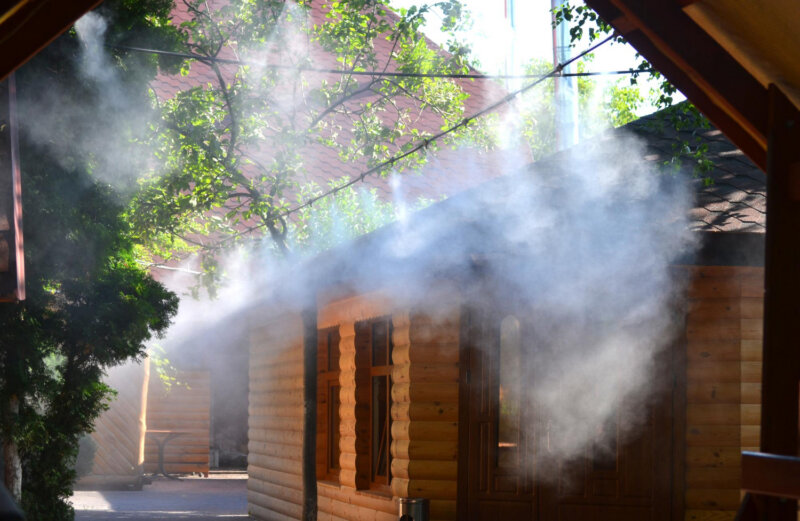
Smoke odor can be a persistent problem in your home, whether it’s from cigarettes, cooking, or a recent fire. That smell can linger in the air, cling to your furniture, and seep into your carpets, making it very hard to enjoy your living space. Moreover, smoke odors aren’t just unpleasant—they can also cause health issues like headaches and respiratory problems.
Tackling smoke odors can feel overwhelming, but don’t worry, there are straightforward steps you can take to eliminate these stubborn smells. Understanding where the smoke odor is coming from is the first crucial step. Once you know the source, you can take targeted actions to clean and ventilate your home effectively.
In this article, we’ll explore how to identify the sources of smoke odor, the initial steps to ventilate and clean your home, and the most effective cleaning methods for different surfaces. We’ll also delve into long-term solutions and tips to prevent smoke odors from returning. By following these steps, you can breathe easy and enjoy a fresher, healthier home. Let’s get started!
Identifying the Sources of Smoke Odor
The first step in getting rid of smoke odor is figuring out where it’s coming from. Smoke can permeate a variety of surfaces and materials in your home. Here are some common sources to check:
1. Furniture and Upholstery: Smoke easily gets trapped in fabrics and cushioning. Couches, chairs, and other upholstered items can hold onto the odor for a long time.
2. Carpets and Rugs: Just like furniture, carpets and rugs can soak up smoke smell. Thick and plush carpets are particularly notorious for retaining odors.
3. Walls and Ceilings: Smoke particles can stick to walls and ceilings, especially if you have textured surfaces like popcorn ceilings or wallpaper.
4. Clothing and Linens: Items like curtains, bedspreads, and even clothing can absorb smoke odor. These items might need special attention during cleaning.
5. Air Vents and HVAC Systems: Smoke can infiltrate your air vents and HVAC system, circulating the smell throughout your house.
Carefully inspect these areas to locate the sources of the smoke odor. Identifying these hot spots will make your cleaning efforts more effective and targeted.
Initial Steps to Ventilate and Clean Your Home
Once you’ve identified the sources of the smoke odor, the next step is to ventilate and start the initial cleaning process. Here’s how to get started:
1. Open Windows and Doors: Begin by opening all windows and doors to let fresh air flow through your home. This helps to push out stale, smoky air and bring in clean air.
2. Use Fans: Place fans in strategic locations to enhance air circulation. Point them towards open windows to direct smoke particles outside.
3. Remove Ashtrays: If you have ashtrays or anything that might have ash or cigarette butts, dispose of them immediately. They are significant sources of smoke smell.
4. Wash Fabrics: Take down curtains, remove bedspreads, and gather any other washable fabrics. Wash them with a strong detergent and add a cup of vinegar to help neutralize odors.
5. Vacuum Carpets and Rugs: Use a vacuum with a HEPA filter to clean your carpets and rugs. This will help remove smoke particles trapped in the fibers.
6. Clean Hard Surfaces: Use a mixture of water and white vinegar to wipe down walls, ceilings, and other hard surfaces. Vinegar is excellent at neutralizing odors.
Following these steps will help to quickly reduce the intensity of the smoke odor, making the deep cleaning process easier and more effective.
Effective Cleaning Methods for Different Surfaces
After the initial ventilation and cleaning, it’s time to tackle the various surfaces in your home to fully get rid of the smoke odor. Different surfaces require different approaches:
Upholstery and Fabrics:
1. Vacuum First: Use a vacuum with a HEPA filter to remove as many smoke particles as possible.
2. Steam Clean: A steam cleaner can penetrate deep into fabrics and break down smoke particles. Be sure to use a cleaner appropriate for the material.
3. Odor Neutralizers: Use fabric sprays designed to neutralize odors, not just mask them.
Carpets and Rugs:
1. Baking Soda: Sprinkle baking soda generously on carpets and rugs. Let it sit for several hours to absorb odors, then vacuum it up.
2. Shampooing: Shampoo carpets with a special carpet cleaner. Make sure it’s designed to eliminate smoke odors.
Walls and Ceilings:
1. Ammonia Solution: Mix a few tablespoons of household ammonia with water. Use this solution to scrub walls and ceilings. Make sure the room is well-ventilated.
2. Repaint: If the smoke odor persists, consider repainting the walls. Use a primer designed to seal in odors before applying your topcoat.
Air Vents and HVAC Systems:
1. Replace Filters: Change out the air filters in your HVAC system. Smoke particles can get trapped in the filters and circulate back through your home.
2. Professional Cleaning: Sometimes, a professional cleaning of your ducts and vents may be necessary to remove all smoke particles.
Cleaning each surface with the right method ensures that smoke particles are effectively removed, helping you eliminate the odor for good.
Long-Term Solutions and Odor Prevention Tips
Once you’ve tackled the initial odor problem, it’s important to implement long-term solutions to keep the smoke smell from coming back. Here are some tips:
1. Air Purifiers: Invest in air purifiers with HEPA filters. These devices can continuously clean the air in your home, removing smoke particles and other pollutants.
2. Regular Ventilation: Make it a habit to ventilate your home regularly. Open windows and doors to let fresh air in and smoky air out.
3. Cleaning Schedule: Keep to a regular cleaning schedule for vacuuming carpets, washing curtains, and cleaning upholstery. This helps prevent smoke particles from building up.
4. Smoke-Free Zone: Establish a smoke-free policy inside your home. If smoking is necessary, keep it to outdoor areas away from open windows and doors.
5. Regular HVAC Maintenance: Schedule periodic maintenance for your HVAC system. Clean filters and ducts help to ensure that smoke particles don’t get trapped and recirculated.
By following these long-term solutions and prevention tips, you can maintain a fresh and odor-free home environment.
Conclusion
Getting rid of smoke odor in your home takes a combination of thorough cleaning and long-term prevention. Start by identifying the sources of the odor, then ventilate and clean your home. Use effective cleaning methods suited for different surfaces to ensure all smoke particles are removed. Finally, adopt long-term solutions and prevention tips to keep your home smelling fresh.
For professional help with eliminating smoke odors and other restoration services in Indianapolis, contact Guardian Angel Restoration. Our expert team is ready to help you create a cleaner, healthier living space. Call us today to find out how we can help.