
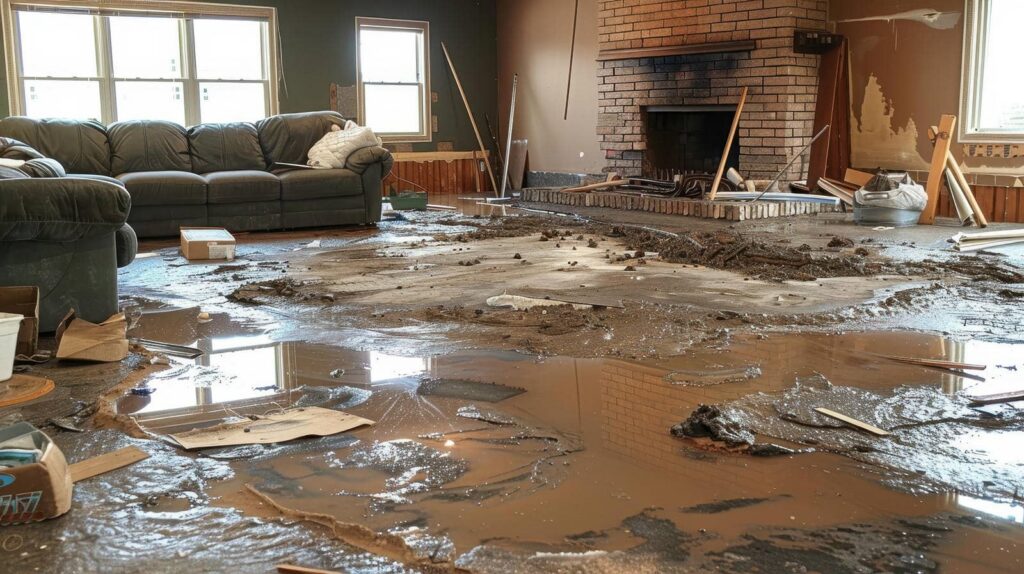
When you face water damage, having the water damage drying process explained can help you understand what to expect. The drying process starts with removing standing water, then moves to controlled airflow and dehumidification to pull moisture from walls, floors, and hidden spaces. You’ll want this handled fast, because delays can lead to mold growth and deeper structural issues. The right tools and techniques can make recovery smoother, but knowing when a property is truly dry isn’t always obvious.
Key Takeaways
- Remove standing water quickly using pumps or wet vacs to limit further damage.
- Use air movers, dehumidifiers, and heat to speed evaporation from floors, walls, and contents.
- Inspect moisture levels in materials to place drying equipment where it is needed most.
- Dry walls and cavities carefully, since trapped moisture can lead to mold and structural weakening.
- Complete restoration only after drying is verified, then repair, clean, and sanitize damaged areas.
What the Water Damage Drying Process Includes
The water damage drying process includes removing standing water, extracting moisture from materials, and using air movers, dehumidifiers, and sometimes heat to speed evaporation.
You’ll see the water damage drying process explained as a controlled sequence that stabilizes affected rooms and brings your property back toward normal conditions.
Technicians inspect floors, walls, insulation, and contents, then set drying equipment based on material type and moisture readings.
You stay informed with clear updates, so you know what’s being treated and why.
Air movers push moisture into the air, dehumidifiers capture it, and heat can support evaporation when conditions allow.
This focused method helps you feel supported while your space dries with care and precision.
Why Fast Drying Prevents Bigger Problems
Fast drying limits the time moisture has to support mold growth, which helps you avoid a larger remediation problem later.
It also protects building materials from swelling, warping, and weakening, so you can reduce the risk of structural damage.
When you act quickly, you give the drying process a better chance to restore your property safely and efficiently.
Mold Growth Risk
When moisture lingers after water damage, mold can start developing quickly on wet drywall, wood, insulation, and other porous materials. You reduce that risk by drying fast, because mold needs sustained dampness, moderate temperatures, and organic food sources to spread.
Acting early helps you protect your indoor environment and stay connected to a healthier home.
- Remove standing water promptly.
- Increase airflow and dehumidification.
- Monitor humidity and hidden damp areas.
You’ll often see the first signs within 24 to 48 hours if conditions stay wet. That’s why a thorough drying plan matters: it limits spore growth, reduces odor, and supports a smoother restoration.
When you move quickly, you’re not just cleaning up—you’re helping your space recover with confidence.
Structural Damage Prevention
Even after visible water is gone, moisture trapped in drywall, subfloors, framing, and insulation can keep breaking materials down from the inside.
Fast drying protects your home’s structure by stopping wood from swelling, delaminating, and warping before those changes become permanent. You also reduce the chance that fasteners loosen, joints separate, and load-bearing materials weaken.
When you remove moisture quickly, you help preserve the strength of studs, sheathing, and flooring systems, so repairs stay smaller and more predictable. That means you’re not just drying surfaces—you’re protecting the bones of your home and keeping your recovery on track.
With the right drying plan, you can feel confident that hidden damage won’t quietly grow into major structural trouble.
How Professionals Remove Standing Water
Technicians begin by locating the deepest areas of accumulation and using high-capacity pumps or wet vacuums to extract standing water quickly.
You’ll see them work methodically so no hidden pockets remain, which helps you feel confident that the cleanup is under control. After the main extraction, they fine-tune removal with specialized tools and monitor progress.
- They map water depth and access points.
- They remove bulk water with rapid suction.
- They verify low-residue conditions before moving on.
This approach reduces slip hazards, limits contamination spread, and speeds the next phase of recovery.
When you’re dealing with a loss, having a trained team act fast can make the process feel less overwhelming. You’re not facing it alone; you’re getting practical, professional support.
How Water Damage Drying Works on Walls and Floors
You’ll see wall moisture removed by targeted air movement, dehumidification, and, when needed, controlled opening of cavities to let trapped water escape.
On floors, you’ll get drying methods matched to the material, such as surface extraction, air circulation, and subfloor drying to pull moisture from below.
These steps help stop further damage and support a complete, efficient restoration.
Wall Moisture Removal
When water soaks into walls and floors, the drying process targets trapped moisture before it can cause swelling, staining, or mold growth. You’ll get the best results when you act quickly and let trained pros map moisture levels in drywall, insulation, and framing.
They guide recovery with controlled airflow, dehumidification, and targeted wall cavity access, so your space dries evenly and safely.
- They inspect the wall system and find hidden wet areas.
- They remove moisture from porous materials before damage spreads.
- They verify dryness with meters, so you know the wall is ready.
You’re not alone in this process; each step supports a cleaner, healthier return to normal. Fast wall moisture removal protects structure, limits repairs, and helps your home feel like yours again.
Floor Drying Methods
You’ll usually start with extraction, then place low-profile air movers to drive airflow across the floor surface. In many cases, you’ll also use dehumidifiers to remove vapor from the room, which helps the whole system work faster.
For trapped moisture beneath wood or tile, technicians may drill small access points or use directed suction to dry cavities without unnecessary removal.
You can count on moisture meters to confirm progress and tell you when materials are stabilizing.
When your team acts quickly, you protect the structure, reduce replacement costs, and stay on track toward a dry, healthy space.
How to Tell When Your Property Is Dry?
How do you know moisture is gone for good? You confirm it with both instruments and inspection. Your technician checks wood, drywall, and subfloor readings against dry standards, not just what looks dry on the surface.
You’ll also notice the air feels stable, with no musty odor or cool, damp spots.
- Use a moisture meter to compare affected areas with unaffected material.
- Check humidity and temperature; they should support normal indoor drying.
- Verify that hidden spaces, like wall cavities and underlayment, show acceptable readings.
When these signs align, you can trust the structure has reached drying goals. You’re not guessing—you’re joining a process backed by data, so you can feel confident your space is ready for the next step.
What Happens During Final Restoration
Final restoration begins once drying goals are verified, and it focuses on bringing your property back to pre-loss condition.
You’ll see crews remove damaged drywall, insulation, flooring, and trim that can’t safely stay in place. Then they clean, sanitize, and deodorize affected surfaces to reduce contamination and odors.
If needed, they’ll repair structural components, replace materials, and match finishes so your space feels familiar again. Technicians also check for hidden issues, such as warped framing or trapped moisture, before closing walls.
Throughout the process, you stay informed, and your property moves from mitigation to rebuild with a clear plan.
This phase matters because it completes recovery, restores function, and helps you feel confident you’re back in a healthy, durable home or workplace.
Conclusion
When you act fast, you don’t just dry out a room—you stop a small leak from turning into a full-blown disaster. By removing standing water, pulling moisture from walls and floors, and watching humidity closely, you give your property the best shot at a smooth recovery. The drying process protects the structure, slows mold, and speeds restoration. In the end, you’re not just cleaning up water—you’re reclaiming a safe, sound, and healthy space.