

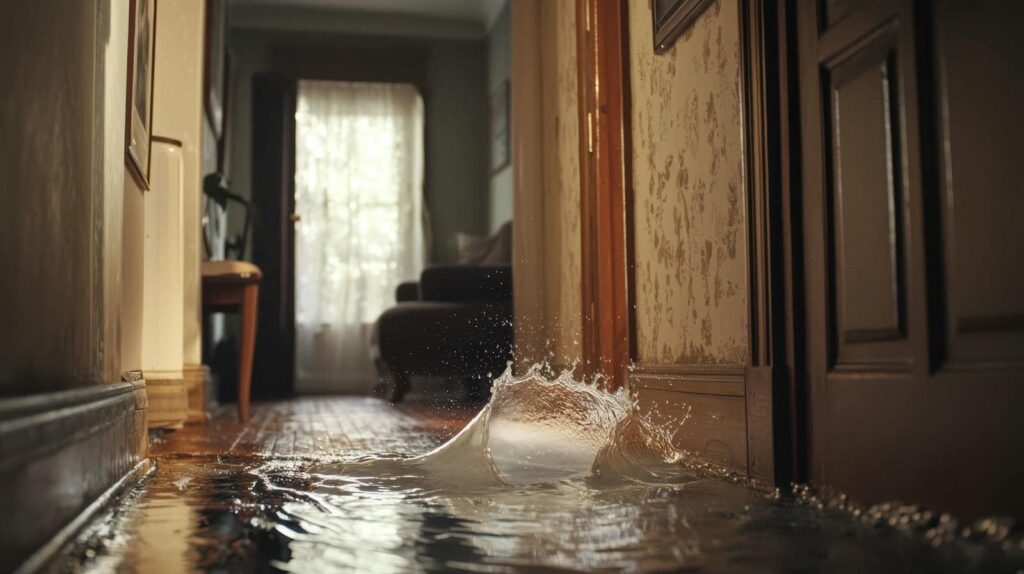
When water damage hits your home, understanding insurance coverage for water damage restoration can save you time and money. Your policy may cover sudden losses like burst pipes, appliance failures, and the resulting repairs to walls, floors, and belongings. But gradual leaks, poor maintenance, and floodwater usually fall outside standard coverage. You also need to know how insurers assess damage, what paperwork speeds approval, and which mistakes can cut your payout. The details matter more than you might think.
Key Takeaways
- Homeowners insurance usually covers sudden, accidental water damage, like burst pipes or appliance leaks.
- Gradual leaks, poor maintenance, groundwater, and flooding are commonly excluded from coverage.
- Covered restoration may include drying, demolition, tear-out, rebuilding, and damaged personal property.
- Additional living expenses may be paid if the home becomes uninhabitable during repairs.
- Prompt reporting and strong documentation, including photos, receipts, and contractor reports, help support claims and reduce denials.
What Water Damage Insurance Covers
Water damage insurance may cover sudden and accidental losses, such as a burst pipe, appliance leak, or roof damage from a storm, but it usually excludes gradual leaks, poor maintenance, and flooding from outside sources.
You can usually rely on insurance coverage for water damage restoration when the event starts inside your home and causes direct damage to floors, walls, cabinets, and personal property.
Your policy may also pay for drying, demolition, and limited tear-out needed to access affected materials.
If your home becomes unlivable, you may get additional living expenses during repairs.
Review your declarations page, endorsements, and limits so you know what’s included.
When you understand these terms, you’ll feel more prepared, supported, and confident after a loss.
Which Water Damage Claims Get Denied
You’ll often see water damage claims denied when the loss stems from hidden maintenance issues, like long-term leaks, corrosion, or gradual wear that your insurer treats as preventable.
Claims tied to excluded flood events are also commonly rejected because standard homeowners policies usually don’t cover surface water or rising floodwater.
To reduce denial risk, you need to identify the cause of loss quickly and confirm whether your policy covers that specific event.
Hidden Maintenance Issues
You’ll usually see denials when slow leaks, worn caulk, corroded supply lines, loose fittings, or aging hoses show signs you could’ve found and fixed earlier. If you let moisture linger, mold, rot, and hidden deterioration can make the loss look preventable.
To protect your claim, inspect under sinks, around water heaters, and behind toilets, then document repairs with photos, receipts, and service records.
Replace brittle hoses, tighten connections, and schedule routine roof and HVAC checks. When you stay proactive, you strengthen your position and keep your home in the group of properties insurers view as responsibly maintained.
Excluded Flood Events
Not every water-related loss falls under standard homeowners coverage, and flood events are a common exclusion. If rising water enters from storms, overflowing rivers, storm surge, or surface runoff, your insurer usually treats it as flood damage, not covered water damage.
You’ll often see denials when groundwater seeps through foundations, seawater backs up during coastal flooding, or municipal floodwaters enter through doors, windows, or vents. If you’re part of a homeowners community, check whether your policy excludes water that starts outside the structure.
You can still protect yourself by buying separate flood insurance, documenting water intrusion fast, and calling a licensed adjuster after the event. Review the flood definition in your policy carefully so you know where coverage stops and restoration costs begin.
How Homeowners Insurance Covers Water Damage
Homeowners insurance usually covers sudden and accidental water damage, such as a burst pipe or an appliance overflow, when the loss isn’t caused by neglect or gradual wear.
You can usually file a claim for damage to walls, flooring, ceilings, and personal property if the water event is covered. Your insurer may also pay reasonable cleanup and drying costs, including mitigation to prevent further loss.
You’ll need to document the source, photos, receipts, and the timeline, then report the claim promptly. Your deductible applies, and coverage limits control the payout.
Review your policy for endorsements, exclusions, and repair standards so you know what’s included before damage happens.
Working with a licensed restoration team helps you protect your home and support your claim.
Flood Insurance vs. Water Damage Coverage
Flood insurance and standard water damage coverage protect you in different ways, so it’s important to know where one policy ends and the other begins.
Your homeowners policy usually covers sudden, accidental water losses inside the home, like a burst pipe or an overflowing appliance. Flood insurance, by contrast, applies when rising surface water enters your property from outside.
If storm surge, heavy rain, or overflowing waterways cause the damage, you’ll likely need a separate flood policy. You can’t assume one policy fills every gap, so review exclusions, deductibles, and limits closely.
When you understand these boundaries, you protect your property and your budget with confidence. That clarity helps you stay aligned with other homeowners who plan ahead and avoid costly surprises.
How to File a Water Damage Claim
First, document the damage with clear photos, videos, and dated notes so you can support your claim.
Then notify your insurer as soon as possible and give them the key details of the loss.
Finally, submit the required claim forms accurately and keep copies of everything you send.
Document the Damage
Before you contact your insurer, document the damage thoroughly so you can support your water damage claim with clear evidence.
Take wide shots of every affected room, then close-ups of stains, warped flooring, soaked drywall, and damaged belongings. Capture the water source if it’s visible, plus serial numbers, labels, and any temporary repairs you’ve made.
Record date and time on every image or video file. Keep a written log of what happened, when you found it, and which areas you checked.
Save receipts for emergency materials, cleanup supplies, and mitigation services. Don’t discard damaged items until you’ve photographed them and, if possible, listed their estimated value.
Organize everything in one folder so you can share it quickly and confidently with your claims team when the process starts.
Notify Your Insurer
Contact your insurer as soon as possible to start the water damage claim process and protect your coverage timeline. Call the claims line or use your insurer’s app, then state the date, cause, and affected areas.
You should mention whether water is still entering the space and whether any emergency mitigation has started. Keep your policy number handy, and ask for a claim reference number and the adjuster’s contact details.
Record the names, times, and summaries of each conversation so your team stays aligned. Be clear, factual, and consistent; avoid guessing about damage or cause.
If your policy requires notice within a set period, meet that deadline. Early notification helps you move with confidence and keeps your restoration plan connected to your insurer’s process.
Submit Claim Forms
With your claim opened, submit the insurer’s claim forms right away so the file can move forward without delay. Complete every field, sign where required, and match each answer to your photos, receipts, and repair notes.
Upload the forms through the carrier portal or send them by certified mail if your policy asks for paper filing. Keep copies of everything you submit, including timestamps and confirmation numbers, so you can track progress and stay in the loop with your adjuster.
- You protect your place in the claims process.
- You reduce the risk of avoidable denial.
- You show your crew you’re organized and ready.
- You keep momentum when the damage feels overwhelming.
If a section is unclear, ask for help immediately; your insurer’s team should guide you through the next step.
What Documents Speed Up Your Claim
A complete claim file can save you days during water damage restoration. You should send your insurer clear photos and videos of the affected rooms, along with timestamps if you have them.
Include your policy number, claim form, and any adjuster notes. Keep receipts for emergency services, temporary repairs, and damaged items.
Add a simple inventory that lists each item, purchase date, brand, and estimated value. If a plumber, roofer, or mitigation crew inspected the loss, attach their reports.
Preserve email threads and text messages with your carrier, because they show what you’ve reported and when. Scan everything into one folder and name files consistently.
When you submit organized documents, you make it easier for your claim team to work with you and move your file forward quickly.
What Drives Water Damage Restoration Costs
Once you’ve gathered strong documentation, the next question is what your insurer may pay to restore the damage. Your costs depend on water source, spread, materials, and how long moisture sat.
Clean supply-line leaks usually cost less than sewer backups or storm intrusion because contamination raises labor, disposal, and safety needs. Square footage matters, but hidden cavities, insulation, and subflooring often drive totals higher.
Drying equipment, demolition, antimicrobial treatment, and rebuilding each add separate line items. You’re in the same boat as many policyholders: the wider the loss, the more specialized the response.
- Fast drying can reduce pain
- Mold risk can feel overwhelming
- Damaged flooring disrupts daily life
- A soaked wall can hide loss
How to Maximize Your Insurance Payout
To maximize your insurance payout, report the loss promptly, document every affected area before cleanup, and keep detailed records of all temporary repairs, invoices, and communications.
You should also review your policy’s dwelling, personal property, and additional living expense limits so you know what’s covered.
When you meet the adjuster, present photos, moisture readings, and contractor estimates that match the damage scope.
Don’t discard damaged materials until the claim’s been inspected, unless your carrier approves removal. If you spot hidden damage, request a supplemental review with updated evidence.
Keep each interaction organized in one claim folder so your team can track every detail. By staying methodical, you protect your right to a fair settlement and help your household recover faster.
Review
In the end, your policy may look generous, yet it only helps when the damage is sudden, documented, and clearly covered. You’ll protect yourself better by keeping records, inspecting regularly, and filing fast, because insurers love evidence almost as much as they love exclusions. Ironically, the best way to get paid is to prove you needed help before the water did more than soak your home—it soaked your budget too.