

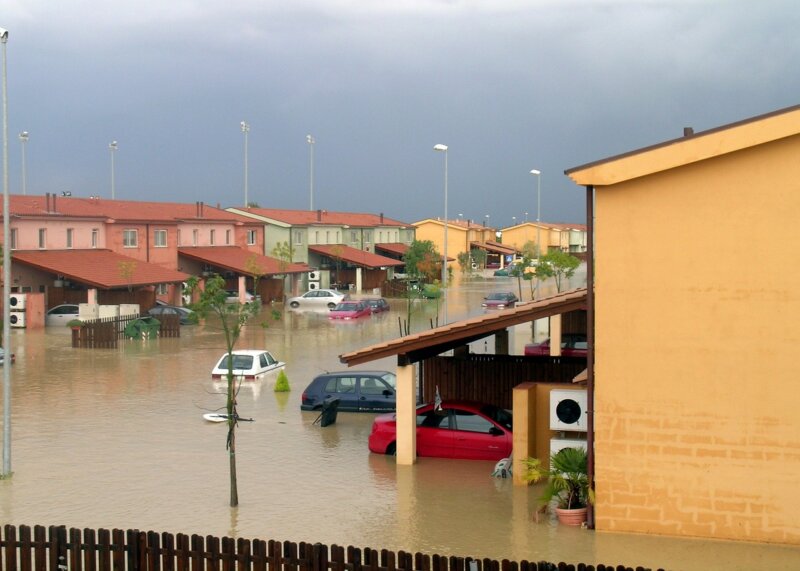
Flood damage can be a real headache. It can quickly ruin your home and belongings. Knowing what to do after a flood can save you stress and money. The key is to act fast and use the right tools and methods to handle the damage. This will help you get your home back to normal as soon as possible.
When water invades your home, it can cause a lot of stress. Seeing your furniture, walls, and floors soaked can be overwhelming. But don’t panic! There are steps you can take to manage the situation. Immediate action can stop the damage from getting worse. The faster you move, the better your chances of saving your belongings and reducing the repair costs.
In this article, we will go over the steps you need to take right after a flood. We’ll discuss the tools and supplies you’ll need for the clean-up. We’ll also cover how to dry out your home properly and prevent mold and long-term damage. Every step is important to ensure your home stays safe and healthy. Let’s dive into these quick and easy ways to handle flood damage!
Immediate Steps to Take After a Flood
Acting quickly after a flood is crucial to minimize damage and get your home back in order. Follow these immediate steps to take control of the situation.
1. Ensure Safety First: Before you do anything, make sure it’s safe to enter your home. Turn off the electricity, especially if the water is near electrical outlets or appliances. Wear protective gear like gloves and boots to keep yourself safe from contamination.
2. Stop the Water Source: If the flood is from a broken pipe or leak, turn off the main water supply to stop more water from coming in. This will help minimize further damage.
3. Document the Damage: Take photos and videos of the flooded areas and damaged items. This documentation can be crucial for insurance claims. Make a list of your damaged belongings, and don’t throw anything away until your insurance adjuster has seen it.
4. Remove Standing Water: Use buckets, mops, or a wet/dry vacuum to remove as much standing water as possible. The quicker you get rid of the water, the less damage it will cause to your home and belongings.
5. Ventilate the Area: Open windows and doors to let fresh air in. Use fans to start the drying process. Proper ventilation can help reduce mold growth and speed up the drying process.
By taking these immediate steps, you can start the recovery process and mitigate additional damage.
Essential Tools and Supplies for Clean-Up
Having the right tools and supplies can make a big difference in your clean-up efforts. Here’s a list of essential items you’ll need to tackle flood damage effectively.
1. Wet/Dry Vacuum: This tool is great for sucking up water from floors and carpets. It’s much more efficient than using mops and buckets alone.
2. Dehumidifier: A dehumidifier helps to remove moisture from the air and is crucial for drying out your home. It’s especially useful in basements and other damp areas.
3. Fans: High-powered fans can speed up the drying process. Place them in different areas to ensure proper airflow and ventilation.
4. Cleaning Supplies: Have disinfectants, detergents, and scrub brushes on hand. These will help you clean and sanitize surfaces to prevent mold and bacteria growth.
5. Protective Gear: Ensure you have gloves, masks, and boots to protect yourself from harmful substances and contaminants in the water.
6. Buckets and Mops: While a wet/dry vacuum is key, having buckets and mops can help with initial water removal and cleaning up hard-to-reach spots.
7. Plastic Storage Bins: Use these to safely store items you manage to salvage. They are waterproof and can help protect your belongings from further damage.
8. Garbage Bags: Heavy-duty garbage bags are necessary for disposing of damaged items. Make sure they’re sturdy enough to hold wet, heavy debris.
Gathering these tools and supplies before you start your clean-up can make the process faster and more efficient. Proper preparation can save you time and effort, making the daunting task of flood recovery a bit easier to manage.
How to Dry Out and Dehumidify Your Home
Drying out your home after a flood is crucial to prevent further damage and mold growth. Here are some steps to help you effectively dry and dehumidify your space.
1. Remove Standing Water: Start by getting rid of all the standing water using a wet/dry vacuum or buckets. This initial step is essential for beginning the drying process.
2. Use Fans and Dehumidifiers: Place high-powered fans around the affected area to increase airflow. Using a dehumidifier will help remove moisture from the air, speeding up the drying process. If possible, set up multiple fans and dehumidifiers to cover larger areas.
3. Open Windows and Doors: If the weather allows, open windows and doors to ventilate the area. Fresh air can help dry out the space more quickly. Just make sure to close them if it starts raining again.
4. Remove Wet Materials: Take out waterlogged carpets, rugs, and furniture. These items can trap moisture and slow down the drying process. If they are salvageable, move them to a dry area.
5. Monitor Moisture Levels: Use a moisture meter to check the levels in walls, floors, and other materials. This will help you know when the area is fully dry and free of excess moisture.
By following these steps, you can dry out your home efficiently and reduce the risk of mold and other damages.
Preventing Mold and Long-Term Damage
Once your home is dry, it’s important to take steps to prevent mold and long-term damage. Here are some tips to help you keep your home mold-free and safe:
1. Clean and Disinfect: Use a mixture of water and bleach or other disinfectants to clean all affected surfaces. This will kill any mold spores and bacteria that might have started to grow.
2. Inspect for Damage: Check for any signs of structural damage, such as cracks in the walls or weakened floors. Fix these issues as soon as possible to prevent long-term problems.
3. Replace Damaged Materials: If any materials like drywall or insulation were heavily damaged, it’s best to replace them. Mold can easily set into these materials if they aren’t properly dried and cleaned.
4. Keep the Area Dry: Use a dehumidifier in areas that are prone to moisture, like basements. Monitor humidity levels and aim to keep them below 60% to prevent mold growth.
5. Regular Inspections: Make it a habit to regularly inspect your home for any signs of moisture or mold. Early detection can help you address problems before they become major issues.
By taking these proactive steps, you can protect your home from mold and ensure it remains a safe and healthy place to live.
Final Thoughts
Dealing with flood damage can be overwhelming, but acting quickly and having the right tools can make a big difference. Immediate steps like ensuring safety, stopping the water source, and documenting the damage are crucial. Essential tools like wet/dry vacuums, dehumidifiers, and fans will help you tackle the clean-up efficiently. Properly drying out and dehumidifying your home prevents further damage, while thorough cleaning and regular inspections keep mold at bay.
We understand how critical it is to handle flood damage effectively for residents in Indianapolis and the surrounding areas. Follow these tips to protect your home and family. If you need expert help, Guardian Angel Restoration is here for you.
Don’t let flood damage ruin your home. Contact Guardian Angel Restoration today for professional help and ensure your home is safe and sound!