
After flooding, you can expect a water extraction crew to remove standing water, inspect damaged areas, and start drying with industrial pumps, wet vacs, and air movers. They’ll check for hidden moisture, soaked materials, and mold risks before explaining what needs immediate attention. The process moves fast, but the details matter, because the first steps often determine how much of your property can be saved.
Key Takeaways
- Technicians remove standing water quickly from floors, carpets, crawl spaces, and hidden cavities using pumps, vacuums, and extraction wands.
- They inspect the damage, map moisture zones, and use meters or thermal imaging to find hidden wet areas.
- Fast water removal helps prevent swelling, warping, secondary damage, and expensive repairs.
- Drying equipment like air movers and dehumidifiers is positioned and monitored to reduce mold risk within 24 to 48 hours.
- Extraction time varies by water amount and saturation, so crews often give updates while preparing the area for efficient drying.
What Water Extraction Includes
Water extraction includes removing standing water from floors, carpets, crawl spaces, and other affected areas as quickly as possible to limit further damage.
When you call water extraction services after flooding, you’ll usually get a technician who inspects the source, maps moisture zones, and selects the right tools for your materials.
They may use pumps for deep water, truck-mounted vacuums for large areas, and weighted extractors for carpet and padding. In tight spaces, they can use portable units and specialized wands.
You’ll also see careful removal of trapped water from baseboards, corners, and hidden cavities.
The goal is to leave your space clean enough for drying equipment to work efficiently, and to help you feel supported by a team that knows what your property needs.
Why Fast Water Removal Matters
Fast water removal limits how long moisture stays in your flooring, walls, and substructure, which helps prevent swelling, warping, and other secondary damage.
You also reduce the chance of mold growth because damp materials create ideal conditions for spores to spread quickly.
When you act fast, you give water extraction services a better chance to protect your property and stabilize it sooner.
Preventing Further Damage
When flooding leaves standing water behind, every minute counts because it can continue seeping into floors, walls, and structural materials. You need extraction crews to act fast so moisture doesn’t weaken subfloors, warp hardwood, or stain drywall.
Technicians use pumps, vacuums, and controlled removal methods to lower water levels quickly and protect the parts of your home that still have salvageable strength. They’ll also map affected areas, check hidden pockets, and adjust their approach so the damage doesn’t spread.
Fast action helps keep repairs smaller, costs lower, and your space safer to restore. You’re not handling this alone; a skilled team brings the equipment, experience, and urgency your property needs to stay protected.
Reducing Mold Risk
Stopping water damage quickly also helps stop mold before it gets a foothold. When you remove standing water fast, you lower humidity, dry porous materials sooner, and limit spores from finding the damp surfaces they need to grow.
You’ll usually see technicians use pumps, wet vacuums, air movers, and dehumidifiers to reach hidden moisture in flooring, wall cavities, and insulation. That matters because mold can begin developing within 24 to 48 hours.
How We Inspect Flood Damage
You’ll get a careful damage scope assessment that maps affected rooms, materials, and structural components so we can see exactly how far the flooding reached.
We then inspect for hidden moisture sources using meters, thermal imaging, and targeted probing to locate trapped water behind walls, under flooring, and in cavities.
This process lets you know what needs extraction, drying, and repair, and it helps us protect your property from further damage.
Damage Scope Assessment
Our first step is a careful damage scope assessment, where we inspect the flooded area to determine how far water has spread and which materials need immediate attention. You’ll see us map affected rooms, note wet surfaces, and judge which items can be stabilized quickly. This helps you feel informed and supported while we work.
- soaked carpet edges
- swollen baseboards
- damp drywall seams
- pooled water under furniture
- marked pathways for safe movement
We document what’s salvageable, what needs removal, and which zones require the fastest extraction. By measuring visible saturation and tracking affected materials, we build a clear plan for your property.
You’re not facing this alone; our team uses a methodical process that protects your space and guides the next restoration steps.
Moisture Source Detection
Next, we trace the moisture source so we can pinpoint where floodwater is still entering, spreading, or hiding within the structure.
You’ll see us use moisture meters, thermal imaging, and visual checks to map wet materials, hidden cavities, and travel paths behind walls, under floors, and around trim.
We look for leaks, capillary wicking, and saturated insulation that can keep damage active after standing water’s gone.
This step helps you understand what’s truly affected, so you’re not guessing about cleanup or repairs.
We’ll explain each reading in plain language and show you why certain areas need drying or removal.
That way, you stay informed, protected, and confident that your home’s recovery is based on evidence, not assumptions.
How Water Extraction Begins
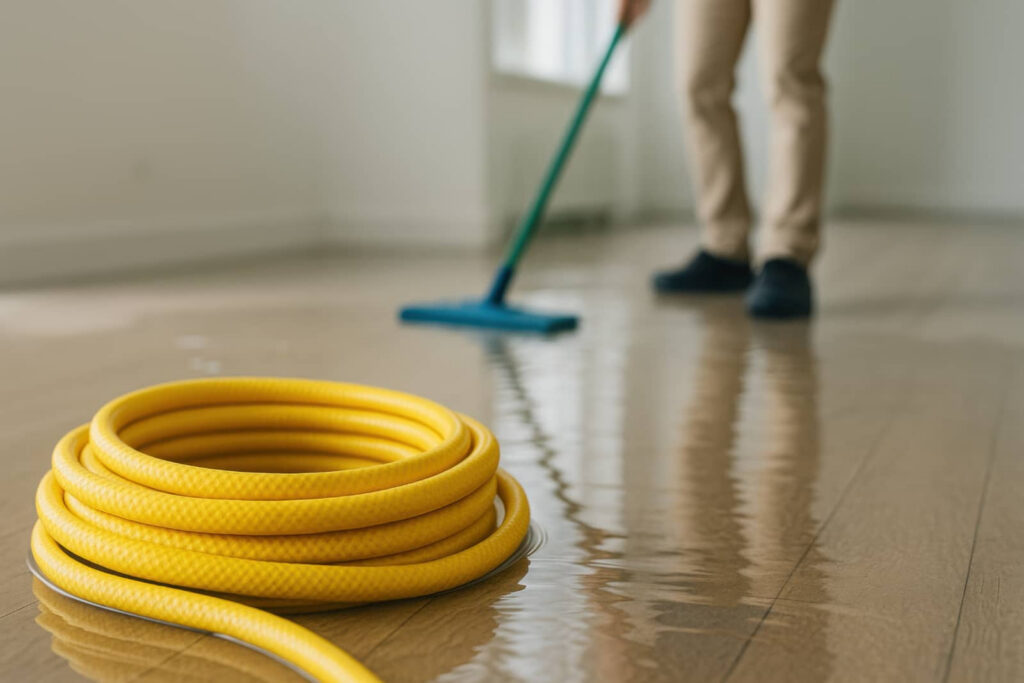
Water extraction begins with a rapid assessment of the flooded area to identify the source, depth, and spread of standing water. Then crews deploy the right equipment to remove it efficiently. You’ll see technicians map wet zones, confirm safety risks, and choose entry points that protect your home and keep the process controlled.
- damp carpet edges
- reflective puddles in hallways
- soaked baseboards
- water lines on walls
- quiet rooms waiting for relief
They’ll isolate affected spaces, start removing water, and watch for hidden pockets that can keep your property unstable.
You’re not facing this alone; the team works methodically, so you can trust each step. Clear communication helps you understand what’s happening, what’s next, and how your recovery starts.
Equipment Used for Water Extraction
You’ll see industrial pumps first, because they rapidly remove large volumes of standing water from flooded areas.
Wet vacuums then capture the remaining water from floors, carpets, and tight spaces, while air movers push high-velocity airflow to accelerate drying and limit moisture damage.
Together, this equipment helps you restore safer conditions and reduce the risk of structural and microbial problems.
Industrial Pumps
Industrial pumps play a critical role in water extraction after flooding, quickly moving large volumes of standing water out of affected areas. You’ll see technicians place them where water collects deepest, then route discharge hoses to safe drainage points.
These pumps use strong suction and high flow rates to reduce saturation fast, which helps you regain control sooner.
- Flooded basement corners
- Doorway puddles
- Muddy garage floors
- Saturated crawl spaces
- Deep driveway runoff
Because you’re working with a trained team, they can size the pump correctly, monitor flow, and adjust placement as conditions change. That precision protects structural materials and supports a smoother recovery.
When the water drops, you’re already closer to a dry, stable home.
Wet Vacuums
After the largest pools are reduced with industrial pumps, wet vacuums handle the remaining moisture that collects in tighter spaces and on finished surfaces.
You’ll see technicians use them along baseboards, under cabinets, around appliances, and on hard flooring where pooled water can hide. These units draw in liquid through squeegees, crevice tools, and wide floor nozzles, helping you reach areas a mop can’t dry.
Because they’re built for water recovery, they can remove damp residue without soaking surrounding materials again. Your crew will empty tanks frequently and inspect filters and hoses to keep suction strong.
This step matters because trapped moisture can linger in seams and corners, so thorough vacuuming helps your home move closer to a stable, cared-for state.
Air Movers
Air movers speed up drying by pushing a high volume of air across wet floors, walls, and structural surfaces.
You’ll see technicians place them in a pattern that drives moisture toward dehumidifiers and away from hidden pockets. This targeted airflow helps protect your home from swelling, warping, and mold growth, and it lets you feel supported through each step.
- Fans angled along baseboards
- Air sweeping under cabinets
- Vents clearing damp corners
- Flooring edges drying faster
- Wall cavities losing trapped moisture
You can expect constant adjustment as crews monitor airflow, moisture levels, and temperature.
When air movers run correctly, they create the dry, controlled environment your space needs to recover faster and more safely.
What Happens to Floors and Walls After Flooding
When water sits after a flood, your floors and walls start absorbing moisture almost immediately, which can cause warping, swelling, staining, and hidden structural damage.
Wood flooring may cup, buckle, or separate at the seams, while laminate can delaminate and lose its core integrity.
Drywall wicks water upward, softens, and may crumble or sag, especially near baseboards and wall cavities.
Paint can blister, and trim may loosen as materials expand unevenly.
In a damaged home, you’re not alone; these changes are common after flooding and need prompt attention.
Water extraction crews remove standing water fast, then stabilize the structure so materials stop deteriorating further.
That quick response helps protect your property, supports safer repairs, and gives you a clearer path back to normal.
How Crews Check for Moisture and Mold
Once the standing water is gone, crews inspect the affected areas for hidden moisture that can keep damaging your home. They use moisture meters, thermal cameras, and visual checks to find damp framing, insulation, and subfloors you can’t see.
This careful scan helps you feel confident that your home isn’t quietly harboring mold.
- Baseboards with darkened edges
- Cool patches behind drywall
- Swollen wood around door frames
- Damp carpet under padding
- Musty spots near vents
If they detect mold growth, they document it and isolate the area so spores don’t spread. You’ll get clear information about what they found and why it matters.
This step protects your space, your comfort, and the people who belong there.
How Long Water Extraction Takes
How long water extraction takes depends on how much water is present, how widely it has spread, and how fast crews can access the affected areas.
In a small room, you might see standing water removed in a few hours. In larger losses, crews may need most of a day or longer to pump, vacuum, and monitor progress.
Saturated carpet, padding, and hidden cavities can extend the timeline because technicians must keep extracting until moisture levels drop to safe targets.
You’ll usually get updates as work moves forward, so you’re not left guessing.
A skilled team works methodically, using high-capacity equipment and moisture readings to confirm that the area’s truly drying.
That steady process helps protect your home and gives you confidence you’re getting back on track.
What to Do Before the Crew Arrives
Before the crew arrives, you can help speed up the process by keeping the affected area as accessible as possible and limiting further damage.
Walk through the space carefully, and if it’s safe, move lightweight items out of the way. Shut off electricity to wet rooms only if you can do it without risk. Open interior doors so technicians can inspect the layout quickly.
- Roll up area rugs
- Lift drapes off the floor
- Clear hallways and stair landings
- Mark hidden hazards with tape
- Keep pets and children nearby, but out of the work zone
You’re part of the response team now, and your preparation helps the crew work efficiently.
Stay ready to answer questions about when the flooding started and where water spread.
What Your Water Extraction Cost Includes
Water extraction costs usually cover a few core steps: the crew assesses the damage, removes standing water with truck-mounted or portable pumps, and uses specialized vacuums to pull moisture from floors, carpets, and other affected materials.
You’re also paying for monitoring, so technicians can verify that hidden pockets of water don’t keep spreading damage. Many jobs include moving light contents, applying antimicrobial treatments, and setting up air movers or dehumidifiers when needed.
If your home has saturated drywall, insulation, or subflooring, removal and disposal may add to the total. You’ll usually get a clearer price when the team inspects the space in person.
That way, you know exactly what’s included, what’s optional, and how the process helps protect your home and your crew’s shared sense of safety.
Frequently Asked Questions
Do I Need to Leave My Home During Water Extraction?
Not always; you can often stay if crews can work safely and keep utilities controlled. You’ll need to follow their guidance, avoid affected areas, and leave if they find electrical, sewage, or structural hazards.
Can Water Extraction Stop Sewer Contamination Risks?
Yes—when you act quickly, you can reduce sewer contamination risks. You’ll remove standing water, isolate affected areas, and start disinfection fast. That’s cutting the problem off at the pass, protecting your home and helping you belong again.
Will My Belongings Be Moved During the Cleanup Process?
Yes, you’ll usually have items moved only as needed so technicians can access affected areas. They’ll protect, document, and relocate belongings carefully, then return them once cleanup’s done, helping you feel informed, included, and secure.
Do You Handle Insurance Paperwork for Water Extraction Claims?
Yes, you can handle insurance paperwork for water extraction claims, and we’ll help document damage, provide moisture readings, and coordinate with your adjuster, so you feel supported, informed, and confident throughout the process.
Is Emergency Water Extraction Available at Night?
Yes, you can usually get emergency water extraction at night; for example, if your basement floods at 2 a.m., you’ll call a crew that arrives fast, removes standing water, and starts drying immediately.
Review
When you face flooding, you need water extraction that starts fast and stays thorough. In one job, a homeowner waited just 2 hours before calling, and the crew removed 300 gallons before mold spread. That’s the point: water left behind is like an open door—damage keeps walking in. When you know what to expect, you can act quickly, protect your space, and move from cleanup to recovery with confidence.