

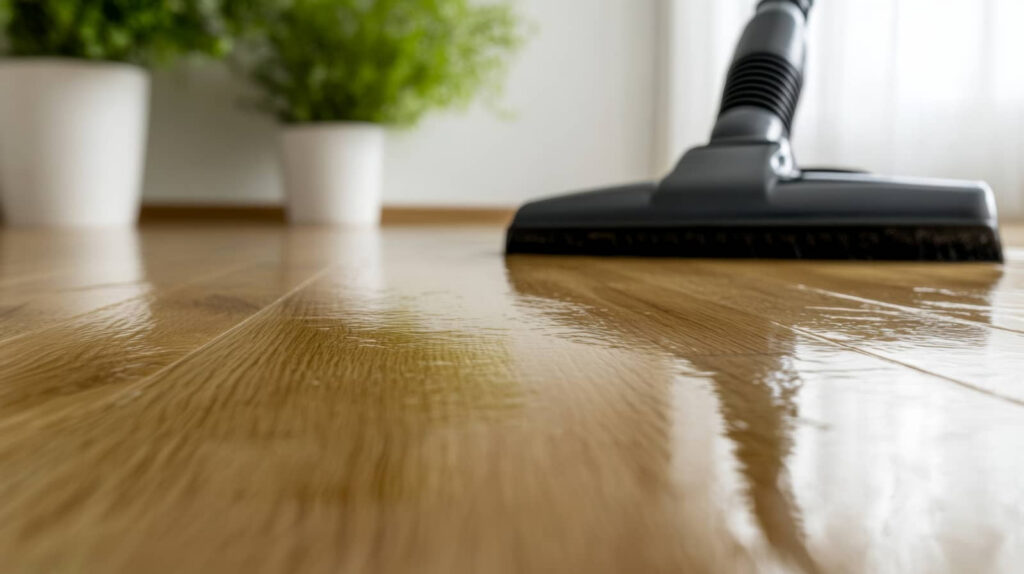
Emergency Water Extraction starts with acting fast when a leak gets worse. First, shut off the water and power if it’s safe, then extract standing water with pumps, remove saturated materials, and check for hidden moisture in crawlspaces. After that, sanitize exposed surfaces and start drying to limit mold growth. The next step determines whether you save the structure or face a much larger repair.
Key Takeaways
- Stop the water source, shut off power if safe, and call emergency services for severe flooding hazards.
- Assess the affected area, document standing water, and identify safety risks before starting extraction.
- Use high-capacity pumps to remove water quickly, beginning at the deepest point to prevent spreading.
- Remove soaked carpets, padding, and damaged materials, then use air movers and dehumidifiers for drying.
- Inspect for hidden moisture in crawlspaces and walls, disinfect hard surfaces, and call professionals if moisture persists.
What Water Extraction Technicians Do First
When technicians arrive, they first assess the source, extent, and category of the water intrusion so they can stop it and choose the right extraction method.
You get a fast, structured inspection that maps affected rooms, materials, and safety risks. They document standing water depth, note saturated carpet or padding, and identify hidden moisture in walls, baseboards, and subfloors.
Then they deploy emergency water extraction services with truck-mounted vacuums, portable extractors, or submersible pumps matched to your conditions.
You’ll usually see them create access points, protect salvageable contents, and track progress with moisture meters.
This first pass reduces secondary damage, supports a clean restoration plan, and helps you feel like your space is already moving back to normal.
Shut Off Water and Electricity Safely
First, locate your main water valve and close it to stop additional flooding.
Next, turn off power at the breaker only if you can reach it without standing in water; if there’s any risk, leave it off and stay clear.
Then call emergency services and your water extraction provider so they can secure the area and begin removal safely.
Locate Main Water Valve
Find the main water valve as soon as you notice flooding so you can stop the water source and limit further damage.
Check the basement, crawlspace, utility room, garage, or exterior wall near the meter. Look for a round wheel handle or lever on the incoming supply pipe. If you share the property, confirm you’ve found your unit’s valve, not a neighbor’s line.
Turn it clockwise for a wheel valve, or rotate the lever until it’s perpendicular to the pipe. If the valve sticks, don’t force it; use steady pressure and call a plumber or emergency water extraction team.
After closing it, verify the flow has stopped at faucets and fixtures. Keep the valve location noted for your household, so everyone can act fast together.
Turn Off Power
After you shut off the water, cut power to any area that’s already wet if you can reach the main breaker safely.
Stand on dry ground, keep your hands clear of standing water, and use one hand if possible. Switch off branch breakers first, then the main if flooding is near outlets, appliances, or baseboards.
Don’t touch cords, switches, or panels with wet skin, and don’t enter rooms with visible arcing or buzzing. If the panel is in a damp space, stop and keep everyone out.
You’re protecting your home and helping your crew work faster by removing electrical risk early.
Once power is off, avoid resetting anything until a qualified pro confirms the system is dry and safe for re-energizing.
Call Emergency Services
Call emergency services if the leak is severe, spreading fast, or tied to a fire, electrical hazard, gas smell, or structural damage.
You should also alert your utility provider and building manager so your crew can isolate the issue quickly and safely. Keep clear of saturated ceilings, warped floors, and outlets near standing water.
- Report exact location, source, and visible hazards.
- Request fire, gas, or rescue support when needed.
- Confirm that water and power shutoffs are accessible.
- Stay with your household and follow dispatcher instructions.
If you’re in a shared building, coordinate with neighbors and staff to limit exposure.
Emergency responders help you protect the structure, reduce risk, and keep your team aligned during the first critical minutes.
Pump Out Standing Water Fast
You need to pump out standing water fast with a high-capacity submersible or truck-mounted extraction system to reduce saturation time.
Start at the deepest point and work methodically so you remove water evenly and keep it from spreading into adjacent materials.
Rapid pumping limits structural deterioration, stops moisture from wicking into walls and floors, and helps you begin drying sooner.
Rapid Water Pumping
When standing water builds up after a leak, flood, or burst pipe, emergency crews use rapid water pumping to remove it as quickly as possible and limit further damage. You’ll see submersible or trash pumps placed at the lowest point so they can draw water efficiently.
Technicians size hoses, check power, and route discharge lines outdoors or to approved drainage points.
- Measure water depth before setup.
- Clear debris from intake screens.
- Monitor flow so suction stays steady.
- Reposition pumps as levels drop.
Stay nearby and keep access open for the crew. If you’re coordinating the job, ask for a pump plan that matches the volume and room layout.
Fast extraction helps your space feel under control again and gets restoration started sooner.
Preventing Further Damage
Pump out standing water fast to reduce the chance of structural damage, swelling, and mold growth. You should start with a high-capacity pump, then move to a wet vacuum for residual water in corners, seams, and low spots.
Keep power off in affected zones until a qualified technician confirms safety. Remove baseboards, rugs, and saturated contents so trapped moisture can’t spread into subfloors or walls.
You’ll protect your home more effectively when you document conditions, measure moisture, and track changes. Set up airflow with fans and dehumidifiers after extraction to slow hidden deterioration.
If you work with a trusted restoration team, you’re not alone; you’re making the right move with people who know the process. Quick action limits repairs, shortens drying time, and helps your space recover faster.
Remove Damaged Flooring and Materials
Once standing water is removed, technicians strip out soaked carpet, padding, warped wood, and other unsalvageable materials to stop moisture from spreading and to open the area for drying.
You’ll see them work methodically, cutting seams, lifting sections, and bagging debris so the space stays controlled and safe. This step helps you protect subfloors, wall bases, and framing from hidden saturation.
- Identify materials that can’t dry fast enough.
- Remove flooring at edges where moisture has wicked.
- Expose concealed layers for airflow and inspection.
- Clear debris to support dehumidification and cleaning.
Save Wet Belongings Before More Damage
Before additional moisture spreads, technicians help you salvage wet belongings by sorting items quickly and moving them to a dry, controlled area.
You should separate porous items, hard goods, documents, and electronics so each gets the right handling. Lift textiles, books, and cushions from the floor, then place them on clean racks or plastic sheeting.
Bag small loose items together and label every container so nothing gets lost. For papers, keep pages flat and interleave them with absorbent sheets if they’re stuck.
Unplug electronics, remove batteries if safe, and keep components grouped with their cords. Photograph damaged items for records before you move them.
Use Air Movers and Dehumidifiers
After standing water is removed, technicians place air movers to push high-velocity airflow across floors, walls, and contents. Then, they set dehumidifiers to pull moisture out of the air and materials. You’ll speed evaporation by keeping pathways open and doors positioned per the drying plan. This controlled circulation helps your team dry surfaces evenly and reduce secondary damage.
- Aim airflow along wet surfaces, not into corners.
- Keep dehumidifier doors and return vents unobstructed.
- Check temperature and humidity readings at set intervals.
- Adjust equipment placement as materials release moisture.
You’ll hear steady airflow and compressor cycling as normal operation. Trust the process, stay off saturated areas, and let the equipment run until readings stabilize.
That’s how your space moves from water loss toward safe recovery.
Check Hidden Moisture in Crawlspaces
You should inspect crawlspaces with a moisture meter and thermal imaging to detect hidden water after extraction.
Check joists, insulation, vapor barriers, and soil-contact areas for elevated readings or dampness.
If you find trapped moisture, remove the source, dry the area, and verify it’s within acceptable moisture levels before closing the space.
Crawlspace Moisture Checks
Crawlspace moisture checks help identify hidden water that can keep damaging materials long after standing water is removed. You should inspect joists, insulation, vapor barriers, and soil for dampness, staining, or soft spots. Use a flashlight and a moisture meter to verify suspect areas, then document readings so you can track drying progress.
If you smell mustiness or feel excess humidity, treat the crawlspace as a priority zone and improve airflow right away.
- Check perimeter walls for seepage lines.
- Lift insulation to inspect concealed surfaces.
- Confirm vents and access points stay clear.
- Record moisture readings at consistent locations.
When you stay methodical, you protect your home and join the group of owners who act fast, reduce losses, and restore confidence early.
Hidden Water Detection
When hidden water lingers in a crawlspace, it can keep damaging framing, insulation, and subflooring long after surface water is gone. You should inspect joists, sill plates, and vapor barriers with a bright flashlight and a moisture meter.
Check corners, HVAC runs, and pipe penetrations for dark stains, swelling, or musty odor. Probe insulation to see if it feels heavy or clumped. If you spot condensation, rust, or active dripping, document the area and mark it for extraction.
You can also monitor humidity; readings above 60% often signal trapped moisture. Work methodically so you don’t miss pockets behind debris or stored materials.
When you detect hidden water early, you protect your home and stay connected to the restoration process with confidence.
Sanitize Surfaces After Water Removal
After water extraction, sanitize all affected surfaces to reduce contamination and stop microbial growth. You should clean hard, nonporous materials with a detergent solution first, then apply an EPA-registered disinfectant at the label’s contact time.
Work from the cleanest area to the dirtiest so you don’t spread residue. Keep ventilation steady, wear gloves and eye protection, and replace cleaning cloths when they soil.
- Wipe walls, floors, counters, and fixtures with fresh solution.
- Scrub seams, corners, and fastener heads where debris collects.
- Rinse surfaces if the product label requires it.
- Document treated areas so your team stays aligned.
When you sanitize methodically, you protect your space, support your recovery, and help everyone feel confident moving forward.
Prevent Mold Growth After Extraction
Moisture control is the fastest way to prevent mold after water extraction, so you should dry the affected area immediately and keep indoor humidity below 60%.
Open windows if outdoor air is dry, run fans to move air across walls and flooring, and use a dehumidifier until surfaces read dry on a moisture meter.
Remove wet drywall, insulation, or carpet padding that can’t dry within 24 to 48 hours.
Check hidden spaces behind baseboards, under cabinets, and inside closets, because trapped dampness lets spores take hold.
Clean hard surfaces with a detergent solution, then wipe them completely dry.
Keep HVAC vents clear and replace damp filters.
When to Call a Water Damage Pro
If drying efforts don’t bring moisture readings down quickly, it’s time to call a water damage pro. You should escalate when water reaches drywall, insulation, subfloors, or HVAC returns.
A certified team can map hidden moisture, stop microbial growth, and protect structural materials before deterioration spreads. You’ll also want professional help if the source is contaminated, the leak is ongoing, or the affected area is larger than you can safely handle.
- Use a moisture meter to verify progress.
- Document damage for insurance and restoration planning.
- Isolate wet zones to limit cross-contamination.
- Request thermal imaging and extraction equipment.
Act fast, stay informed, and let trained specialists join your recovery team.
Frequently Asked Questions
How Quickly Should Emergency Water Extraction Start After Flooding?
You should start emergency water extraction immediately, ideally within hours of flooding. You’ll reduce structural damage, mold growth, and contamination when you act fast and contact professionals right away.
Does Insurance Usually Cover Emergency Water Extraction Services?
Usually, yes—your policy often covers emergency water extraction if a covered peril caused the loss. You should call your insurer immediately, document damage, and use licensed pros to support reimbursement and reduce claim delays.
What Equipment Do Technicians Bring for Water Extraction?
You’ll see technicians arrive with truck-mounted extractors, submersible pumps, wet vacs, moisture meters, air movers, dehumidifiers, hoses, and PPE. They’ll assess saturation fast, remove standing water, and start drying before damage spreads.
Can Emergency Water Extraction Save Hardwood Floors?
Yes, you can often save hardwood floors if you call fast. You’ll need immediate extraction, moisture monitoring, and controlled drying. Acting within hours reduces cupping, warping, and mold, and keeps your floors serviceable.
How Long Does the Full Extraction Process Typically Take?
Usually, you’ll see full extraction take 2 to 6 hours, though a flooded room can feel like a storm swallowed your home. You’ll get faster results with powerful pumps, vacuums, and rapid moisture mapping.
Conclusion
When water hits your property, you need to act fast. You shut off power and the main supply, then start emergency water extraction services to remove standing water before it spreads. Technicians pump out water, clear saturated materials, and dry hidden areas like crawlspaces. You also sanitize surfaces to reduce contamination and stop mold. Picture a dry, clean space returning layer by layer, with professional help restoring safety before damage gets worse.