
When a burst pipe leaves your hallway under an inch of water, every minute feels like a slow leak in the structure itself. You need water extraction services fast, because standing water spreads into floors, walls, and hidden cavities before you can see the damage. The right crew removes water, measures moisture, and starts drying before mold and rot gain a foothold. What they do next can make all the difference.
Key Takeaways
- Water extraction services quickly remove standing water with pumps, vacuums, and hoses to limit further damage.
- Fast water removal prevents moisture from spreading, reducing structural damage, mold growth, and hidden seepage.
- Signs you need extraction include standing water, damp odors, warped floors, buckled walls, and hidden moisture.
- Professionals evaluate the area, map water spread, extract moisture, and verify dryness with meters.
- After extraction, they dry, sanitize, and repair damaged materials while using certified technicians and 24/7 response.
What Water Extraction Services Do
Water extraction services quickly remove standing water from your property to limit further damage.
You get a focused response that uses pumps, wet vacuums, and specialized hoses to pull water from floors, carpets, and other surfaces. Technicians then measure moisture levels, target hidden pockets, and reduce the chance of structural deterioration.
They work methodically, so you can stay informed and feel supported during a stressful event. Water extraction services also help prepare affected areas for drying and cleanup by clearing debris and improving access.
This process protects materials, shortens recovery time, and helps you regain control of your space. When you choose trained help, you’re joining a team that knows how to act fast and keep damage from spreading.
Signs You Need Water Extraction Services
If you see standing water inside your property, you need water extraction services right away to limit further damage.
Persistent damp odors and visible wall or floor damage usually mean moisture has spread beyond the surface.
Acting fast helps you remove water before it weakens materials and worsens cleanup needs.
Standing Water Inside
When standing water remains inside your property, you likely need water extraction services right away. You can’t rely on air circulation or household cleanup tools when water pools on floors, in basements, or around fixtures.
Standing water seeps into subfloors, drywall, and insulation fast, increasing repair needs and structural risk. You should call a trained team that can assess depth, locate the source, and remove water with pumps or extraction vacuums.
Quick action helps you protect your space, limit disruption, and get your property back to normal sooner. If you’re managing the aftermath with your neighbors or family, fast extraction gives everyone a safer, cleaner place to regroup.
The sooner you act, the more damage you can avoid.
Damp Odors Persist
Even after visible water disappears, a damp, musty odor can signal moisture trapped in carpets, drywall, subfloors, or insulation. You shouldn’t ignore it; lingering odor means organic materials may stay wet and support microbial growth.
Water extraction services help you remove hidden moisture fast and restore normal indoor air.
Watch for:
- Odor that returns after cleaning
- Damp smell near baseboards
- Stuffy rooms with poor airflow
- Mustiness after HVAC runs
- Smell stronger in closed spaces
If you notice these signs, act quickly and join other property owners who respond early. A prompt extraction crew can inspect, remove trapped water, and dry affected areas before the smell spreads.
Clear action now keeps your space safer, fresher, and easier to live in.
Wall And Floor Damage
Warping, buckling, or soft spots in walls and floors often mean water has seeped into hidden materials and started weakening the structure.
You may see paint blister, drywall swell, or laminate lift at the seams. These changes show moisture has moved beyond the surface and can keep spreading if you wait.
Check for uneven flooring, baseboards pulling away, and cracked joints near affected areas.
Water extraction services remove standing water fast, lower moisture levels, and help stop rot, mold growth, and subfloor failure.
If your home feels unstable underfoot or walls feel spongy, act now. You’re not dealing with a minor cosmetic issue; you’re protecting the place your people rely on every day.
Why Fast Water Removal Matters
Fast water removal stops the spread of moisture into adjacent rooms, insulation, and subfloors.
You also reduce structural damage by limiting how long materials stay saturated and under load.
Rapid extraction lowers the chance of mold growth by cutting off the damp conditions it needs to develop.
Stopping Water Spread
When water sits on a floor, it can quickly move into walls, subfloors, insulation, and other materials, which increases the risk of structural damage and mold growth.
You need fast extraction to limit capillary action, migration, and seepage through seams, edges, and penetrations. Acting early helps you protect shared spaces and keep your home on the right track.
- Extract standing water right away.
- Block flow into adjacent rooms.
- Open pathways for air circulation.
- Remove saturated items from the area.
- Monitor damp zones after cleanup.
You’ll work better with a team that moves fast and communicates clearly, because every minute counts.
Reducing Structural Damage
Once standing water starts moving through a structure, it can weaken materials fast and raise repair costs. You need fast extraction to reduce load on flooring, framing, and substructures before they swell, warp, or shift.
Water wicks into seams and joints, so you should remove it before it compromises fasteners and adhesives. When technicians extract water quickly, they help preserve the integrity of drywall, subfloors, and support members.
You also limit settling issues that can lead to uneven surfaces and costly reconstruction. Acting early keeps your property stable and gives your crew a better chance to restore it cleanly.
If you want your space back in service sooner, quick removal is the practical move.
Preventing Mold Growth
Moisture left in place gives mold spores the conditions they need to spread, so you need rapid extraction to cut that risk early. When you act fast, you lower humidity, remove free water, and limit colonization in hidden cavities.
Your team should target carpets, drywall, subfloors, and insulation before spores settle and multiply.
- Extract standing water immediately
- Open wet materials for airflow
- Monitor humidity and surface temperature
- Remove porous items that stay saturated
- Disinfect affected areas after drying
Fast service also helps you protect air quality and keep your space safe for everyone who shares it. By reducing drying time, you give mold fewer chances to gain a foothold and make cleanup more manageable for your crew.
How Water Extraction Services Work
Water extraction services start by evaluating the affected area, then use industrial pumps and vacuums to remove standing water fast. You get a rapid response because every minute matters after a leak, flood, or backup.
Technicians map the water spread, check saturation in flooring and walls, and choose an extraction plan that fits your space. They clear accessible water, then target trapped moisture in low spots and hidden cavities. This lowers the chance of warping, staining, and structural weakening.
You’ll usually see workers move methodically, verify progress, and keep you informed so you know what’s happening. The goal is simple: reduce damage, speed drying, and help your property return to normal with as little disruption as possible.
Tools Pros Use to Remove Water
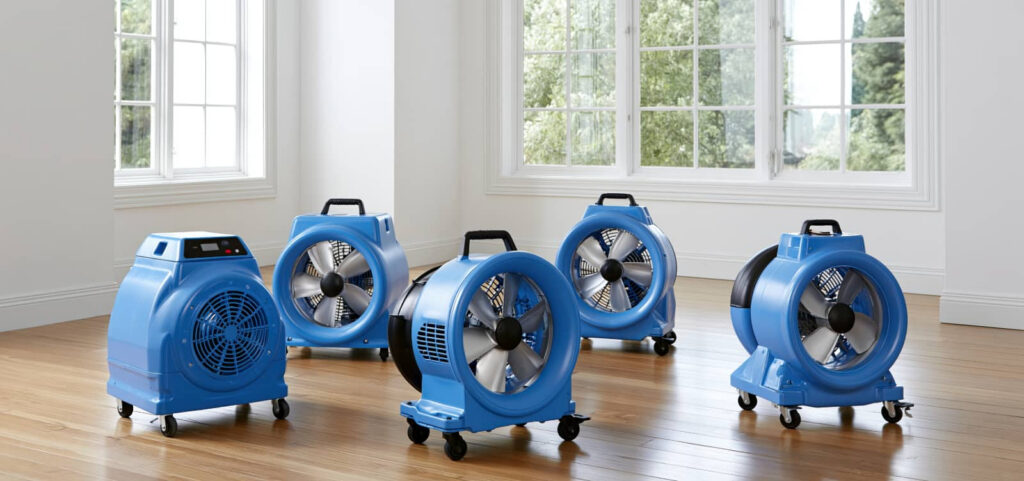
Pros use industrial-grade tools to pull water out fast and reach spots household equipment can’t handle. You get stronger results because each tool targets a different stage of extraction, so your space dries sooner and safer.
Technicians may use:
- Truck-mounted vacuums for heavy standing water
- Portable extractors for tight rooms and stairs
- Submersible pumps for deep pooling
- Weighted wands for carpet and pad
- Moisture meters to verify remaining wet areas
You won’t see guesswork; you’ll see a coordinated process that moves water, lifts moisture, and checks progress. That matters when you want your home or business back in shape quickly.
With the right gear, your team can work efficiently, protect surfaces, and keep the job moving.
How Water Extraction Prevents Mold
Once standing water gets removed fast, you cut off the damp conditions mold needs to grow.
You also reduce the moisture that feeds spores hiding on drywall, carpet, and wood.
When you act quickly, you lower indoor humidity and keep surfaces from staying wet long enough for colonies to take hold.
That means your cleanup team can dry the area before mold starts spreading through vents or adjacent rooms.
You’re not just removing water; you’re protecting the healthy indoor environment your household shares.
Fast extraction also gives you a better chance to spot hidden wet spots early.
With prompt drying and airflow, you keep your space safer, cleaner, and easier to restore, so you can get back to normal with confidence.
How to Limit Structural Damage
Fast extraction doesn’t just stop mold; it also helps protect your home’s structure from lasting damage. You need to act quickly because water weakens wood, drywall, and flooring fast.
Start by shutting off the source, then call extraction pros who can remove pooled water before it spreads into framing or subflooring. Keep traffic low so you don’t load softened materials.
- Lift furniture off wet areas
- Remove soaked rugs and pads
- Open access to crawlspaces and closets
- Protect electrical outlets and appliances
- Document visible damage for your records
When you move fast, you help keep your space stable and safer for everyone in your home.
Prompt action also supports your recovery team, so your home stays part of a community that looks out for itself.
Drying, Sanitizing, and Repair Steps
After extraction, crews dry affected materials with air movers and dehumidifiers, then check moisture levels to confirm walls, floors, and framing are no longer holding excess water.
You should keep airflow steady until readings match safe targets, because trapped moisture can fuel mold and weaken finishes.
Next, technicians sanitize hard surfaces with approved antimicrobial solutions to reduce bacteria and odors.
They’ll remove damaged insulation, drywall, and flooring that can’t be restored, then clean salvageable items with care.
Repair work follows, including patching, replacing, and sealing materials to return the space to normal.
You stay informed throughout the process, and your team can explain what’s being saved, what’s being replaced, and why each step matters for a safe, durable result.
How to Choose a Water Extraction Company
Choosing the right water extraction company starts with verifying that the crew responds quickly, uses professional-grade extraction and drying equipment, and can explain its process clearly.
You want a team that documents moisture, protects contents, and keeps you informed. Check these points:
- 24/7 emergency response
- Certified technicians
- Moisture mapping and monitoring
- Clear written estimates
- Direct insurance coordination
Ask how they measure drying progress and when they’ll verify hidden moisture is gone.
You should also confirm they’ll contain the area and prevent cross-contamination.
A reliable company treats your property like part of the community it serves, and you’ll feel that difference in every update.
Choose the crew that combines speed, precision, and accountability.
Frequently Asked Questions
How Long Does Water Extraction Usually Take?
Usually, you’ll see water extraction take 1-3 hours, like a fast-moving tide retreating from your floors. You’ll need longer for deep saturation, but prompt service helps you protect your space and recover faster.
Can I Stay in My Home During Water Extraction?
You can often stay home if crews isolate the work area, but you shouldn’t enter flooded rooms. You’ll need clear access, good ventilation, and safe power. Follow the technician’s instructions and leave if hazards increase.
Does Insurance Typically Cover Water Extraction Services?
Usually, yes—about 1 in 50 homeowners file water damage claims yearly. You’ll want to review your policy, because sudden leaks often count, while flood damage usually doesn’t. Call your insurer quickly and document everything.
Is Water Extraction Needed for Small Leaks Too?
Yes, you may need extraction for small leaks if water’s pooled, soaked materials, or reached hidden spaces. You’ll protect your property, prevent mold, and feel confident you’re handling the issue before it spreads further.
What Should I Do Before the Extraction Team Arrives?
What else matters first? You should shut off electricity in affected areas, move valuables, and clear access paths. Take photos for records, then avoid walking through standing water. You’ll help the team work safely and faster.
Summary
When you face flooding or leaks, you need water extraction services fast. They remove standing water, dry hidden moisture, and help prevent mold and structural damage before it spreads like a silent fire. By acting quickly, you protect your floors, walls, and indoor air quality. Choose a company with the right equipment, moisture monitoring, and sanitizing steps. The sooner you respond, the less damage you’ll deal with and the faster your space can recover.