
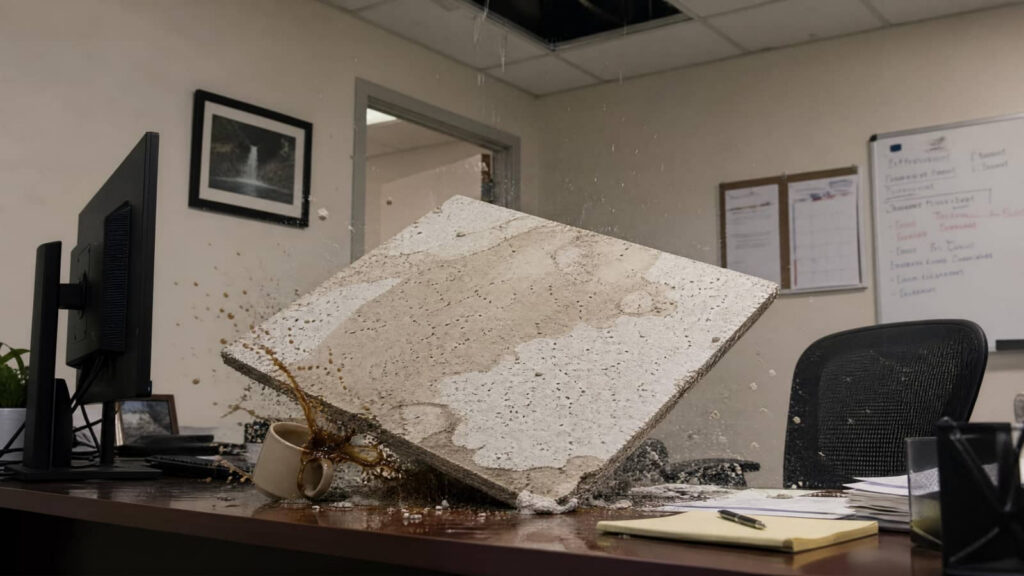
When water enters your property, you need fast, methodical action to limit damage. Pros start by evaluating safety, tracing the source, and removing standing water with specialized extraction equipment. Then they target hidden moisture in walls, floors, and structural cavities before mold and warping take hold. The real challenge isn’t always what you can see, and that’s where the next step becomes critical.
Professional water extraction and drying services remove standing water and the hidden moisture that leads to mold and structural damage. This guide explains how water extraction and drying services work together to restore your property. Visit our water damage restoration page to learn more about our process.
Key Takeaways
- Professional water extraction removes standing water quickly using pumps, wet vacuums, and truck-mounted equipment to limit further damage.
- Technicians inspect flooring, walls, and contents to assess moisture, safety hazards, and the full extent of water intrusion.
- Drying services target hidden moisture in drywall, subfloors, and insulation to prevent warping, swelling, mold, and material deterioration.
- Air movers, dehumidifiers, moisture meters, and thermal cameras help verify thorough drying and detect trapped moisture in inaccessible areas.
- Call a restoration team after the area is safe, especially for large losses, contaminated water, burst pipes, sewage, or storm damage.
What Water Extraction Services Do First
First, water extraction services assess the extent of the damage and identify safety hazards before removing standing water. You get a clear plan because technicians inspect flooring, walls, and affected contents, then map moisture levels and isolate electrical risks.
They use pumps, wet vacuums, and truck-mounted extraction units to remove bulk water quickly and control spread. This first phase from professional water extraction and drying services protects your structure from further deterioration and helps you re-enter the space with confidence.
You’ll also receive documentation of conditions and recommended next steps, so your response stays coordinated and efficient. By acting fast and systematically, the team sets up the site for recovery and keeps you connected to a skilled crew that knows how to restore order.
Water extraction and drying services start with removing as much standing water as possible, then move into controlled drying. Skipping either step can leave moisture behind, so complete water extraction and drying services treat both the visible water and what soaked into materials. When water extraction and drying services are done right, your property dries faster and is less likely to develop mold.
How Drying Services Prevent Hidden Damage
Once the standing water is removed, drying services target the moisture you can’t always see, which is what often causes the most serious long-term damage.
You get protection against trapped water inside drywall, subfloors, insulation, and framing members, where decay can start quietly.
Drying also limits swelling, warping, and adhesive failure, so your floors and walls stay structurally sound.
By controlling humidity and removing residual moisture, technicians help prevent mold from finding a favorable environment.
That matters because hidden growth can spread behind finishes before you notice odors or stains.
You also reduce corrosion in fasteners and deterioration in building materials.
When you act quickly, you protect your property, your indoor air quality, and your confidence in a full recovery.
Tools Pros Use for Rapid Drying
Professional drying crews rely on high-output air movers, low-grain refrigerant dehumidifiers, and targeted moisture meters to speed evaporation and verify that hidden materials are actually drying.
You’ll usually see air movers placed to create a controlled airflow pattern across wet floors, walls, and trim, while dehumidifiers pull moisture from the air before it can reabsorb into materials.
Thermal imaging cameras can help your team spot temperature differences that guide equipment placement, and weighted extraction tools remove trapped water from carpet or pad.
In larger jobs, desiccant units and specialty injectors support fast, even drying in demanding conditions.
When you work with a skilled crew, you get a coordinated system that shortens drying time, protects finishes, and helps your property return to normal sooner.
How Pros Check for Hidden Moisture
To confirm that water damage is truly under control, pros don’t just dry what you can see—they check hidden moisture in building materials, cavities, and structural assemblies.
You’ll see them use moisture meters on drywall, wood, and subfloors to compare readings against unaffected areas. They also scan walls with infrared cameras to spot cooler zones that often signal trapped water.
In tight spaces, they may drill small inspection holes and probe insulation or framing for dampness. This process helps you and your team verify that drying is working where air can’t reach.
When to Call a Water Damage Restoration Team
Call a water damage restoration team as soon as the water source is stopped and the affected area is safe to enter, especially if the damage covers more than a small surface spill or has soaked into drywall, flooring, insulation, or structural framing.
You should also call right away if the water is contaminated, the humidity stays high, or you smell mustiness after drying your home.
Pros use moisture mapping, extraction equipment, and controlled air movement to reduce secondary damage and mold risk.
If you’re dealing with sewage, a burst pipe, appliance failure, or storm intrusion, you need trained help fast.
Acting quickly helps protect your property, your health, and your peace of mind, and it keeps you connected to a team that knows how to restore your space.
Water extraction and drying services work best when they start quickly and follow a proven process. Trained technicians use moisture meters, air movers, and dehumidifiers so water extraction and drying services leave no hidden moisture behind. Guardian Angel Restoration provides water extraction and drying services designed to return your property to a safe, dry condition.
Frequently Asked Questions
Does My Insurance Cover Professional Water Extraction Services?
It often does, if your policy covers sudden, accidental water damage. You’ll need to review exclusions, deductibles, and claim limits, then document losses and call your insurer quickly to confirm coverage.
How Long Does the Entire Restoration Process Usually Take?
You’ll usually finish restoration in 3 to 7 days, but severe damage can take weeks. You’ll get faster results when you act quickly, because technicians extract water, dry materials, and monitor moisture continuously.
Can I Stay in My Home During the Drying Process?
Usually, you can’t stay. Like a lighthouse in fog, your home needs safe, controlled drying. You’ll need to leave if moisture, contamination, or equipment risk health; otherwise, you may remain with limited access.
Will My Belongings Need to Be Removed or Relocated?
Yes, you’ll usually need to move belongings from affected areas so you can protect them and let technicians dry surfaces thoroughly. You may keep unaffected items nearby, but you’ll likely relocate furniture, rugs, and electronics.
How Much Do Water Extraction and Drying Services Cost?
You’ll usually pay $1,000-$5,000, depending on damage size, water type, and drying time. You can lower costs by acting fast, because crews remove water, dehumidify materials, and prevent mold or structural loss.
Wrap-Up
When water damage hits, you need fast, professional action. Did you know mold can start growing in as little as 24 to 48 hours after a leak? That’s why you shouldn’t wait. A qualified restoration team can extract standing water, dry hidden moisture, and verify that your property is safe. By acting quickly, you reduce structural damage, protect indoor air quality, and get your home or business back to normal sooner.