
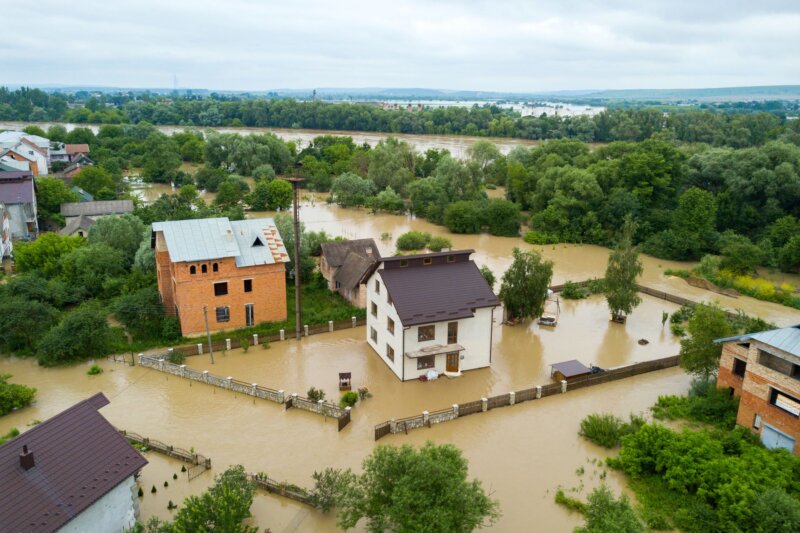
Discovering there’s a flood in your home can be terrifying. It’s normal to feel confused on what to do next. That’s why we’re here to guide you through the immediate actions necessary to manage the situation safely and effectively. Our first priority is to ensure that you and your family stay safe. Floods can compromise the integrity of your home and create hazardous conditions that might not be immediately obvious.
To act quickly, crucial steps need to be followed right after you notice flooding. These include securing your electrical system by shutting down the main power if it is safe to do so, and avoiding contact with any floodwater which could be contaminated. We understand the urgency of these situations and the emotional and physical upheaval they cause. Our guidance is designed to protect your well-being during these critical moments.
Furthermore, it’s essential to mitigate the damage to your home to avert further issues like mold growth and structural compromise. By taking immediate action, you can set the stage for efficient recovery and restoration. Our team is committed to providing support and expertise every step of the way, ensuring your home returns to its pre-flood condition as swiftly as possible.
Immediate Actions to Take After Discovering a Flood
When you first notice that your basement has flooded, it’s natural to feel a surge of panic. However, acting swiftly and calmly can significantly reduce the damage. Firstly, if it’s safe, turn off the main power from your circuit breaker. Electricity and water are a dangerous combination, and ensuring your safety is paramount. Next, if the source of water is from something like a burst pipe, shut off the water main to prevent more water from flooding in.
Once those immediate safety measures are in place, remove any valuables or electronics that can be quickly and safely transferred to a dry area. If water levels are too high or dangerous, do not attempt this alone. It’s also beneficial to start documenting the damage by taking pictures or videos, which will come in handy when you contact us for help and for any insurance claims you may need to file. While these first steps are urgent, remember that quick decisions can save both your property and ensure everyone’s safety.
Safety First: What to Avoid During a Home Flood
During a home flood, your instinct might be to save as much as you can as quickly as possible, but some actions can put you and your home at greater risk. First and foremost, avoid entering any room with standing water until the electricity has been completely turned off. Water conducts electricity, and the risk of electrocution is a serious concern.
Additionally, be cautious of contaminated water. Floodwaters can carry soil, bacteria, and other hazardous materials that pose health risks. Do not try to save items that have been soaked by potentially contaminated water. Wearing protective gear, such as gloves and boots, is crucial when dealing with floodwaters. If the structure of your home has been compromised, wait for professional help. We understand the urgency and the emotional toll of seeing your home in such a state, but your safety is our top priority, and we’re here to handle the challenging tasks to ensure you and your family remain safe.
Steps to Mitigate Water Damage Efficiently
When you’re faced with a flood in your home, taking quick and effective action can greatly reduce the overall water damage. Start by removing excess water. Using a wet-dry vacuum can help you manage the situation more swiftly, but if you don’t have one, mopping and towel-drying are good alternatives. Ensure to focus on areas where water can hide to prevent mold and mildew growth, such as under rugs and in between furniture cushions.
It’s critical to promote drying by increasing air circulation; open windows and use fans if the weather permits. If humidity is low outside, this can significantly speed up the drying process. Additionally, running a dehumidifier can help remove moisture from the air and protect your home from subsequent water damage. These steps will stabilize the condition of your home and prepare it for professional restoration, which will ensure that deeper structural issues, if present, are addressed.
When and How to Call Professional Restoration Help
After you have taken initial steps to mitigate damage, it’s time to call in the professionals. Reaching out to us can sometimes feel like a big step, but we are here to support you through this challenging time with expert guidance and comprehensive restoration services. If the flooding is extensive, involves sewage, or if you suspect structural damage to your property, it’s crucial to contact us immediately. These situations require professional equipment and skills to ensure your home is safely restored to its pre-damaged condition.
Our team specializes in handling all aspects of flood damage, from water extraction and mold remediation to repairing structural damage and restoring your home’s aesthetics. The sooner you get in touch, the quicker we can help prevent further damage and start the restoration process. Remember, timing is of the essence in these situations to avoid long-term issues and costly repairs.
Conclusion
Dealing with a flooded basement can undoubtedly be a stressful ordeal, but by understanding the crucial steps to mitigate damage and knowing when to call for professional help, you can navigate this upheaval more effectively. Ensuring your safety, protecting your property, and quickly addressing flood damage not only helps restore your peace of mind but also preserves the integrity of your home.
If you ever find yourself in need of flood damage restoration services, don’t hesitate to reach out to Guardian Angel Restoration. We stand ready to restore your home as quickly and efficiently as possible. Let us be your partner in turning back the tide of flood damage and helping you reclaim your safe, dry, and comfortable living space.