
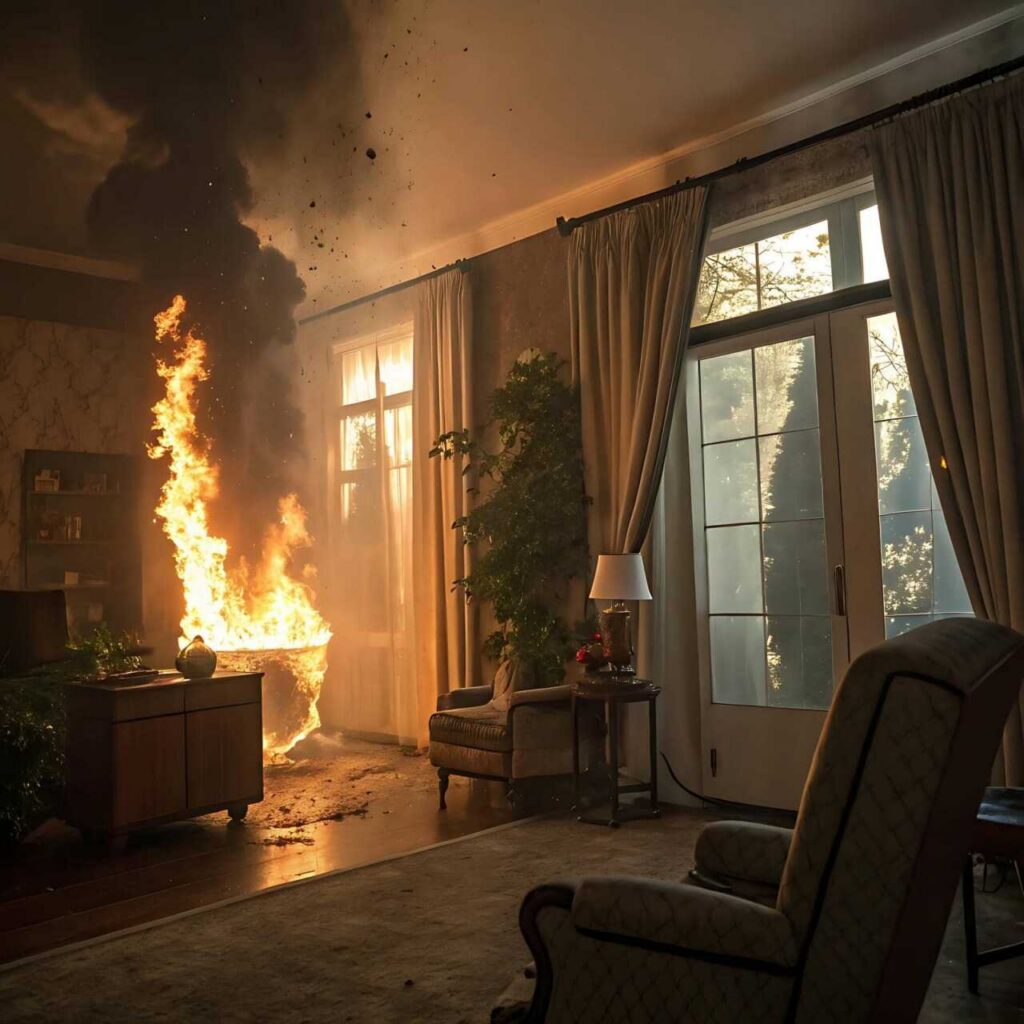
Remove Smoke Smell From House by acting quickly to eliminate smoke particles before they become deeply embedded in your home. Start by increasing ventilation, replacing HVAC filters if needed, and cleaning hard surfaces to remove soot and smoke residue. Wash fabrics, curtains, upholstery, and other porous materials thoroughly, while carpets and hidden odor sources may require specialized deodorization methods. If smoke odors persist after cleaning, professional odor removal and air purification may be necessary to address contamination trapped inside walls, insulation, or the HVAC system and fully restore indoor air quality.
Key Takeaways
- Ventilate the house by opening windows, using box fans, and keeping interior doors open for steady airflow.
- Remove soot from walls, ceilings, trim, and hard surfaces with a dry microfiber cloth, then a mild degreasing cleaner.
- Deep-clean fabrics, carpets, upholstery, curtains, and bedding using appropriate detergent, steam cleaning, or professional laundering.
- Clean HVAC vents and filters, since smoke odor often lingers in ductwork and porous materials.
- Call smoke restoration professionals if odors remain, as they may need HEPA cleaning, ozone, or thermal fogging.
How to Remove Smoke Smell From Your House
If your home smells like smoke, you can often reduce the odor by acting quickly and cleaning the source thoroughly.
Start with the affected surfaces, because soot and tar hold odor tightly. Wear gloves and a mask, then wipe hard surfaces with a dry microfiber cloth before using a mild degreasing cleaner.
Start with affected surfaces, since soot and tar hold odor tightly, then wipe and degrease thoroughly.
Launder fabrics, curtains, and slipcovers with odor-neutral detergent, and vacuum upholstery with a HEPA filter.
For how to remove smoke smell from house, clean vents, trim, walls, and ceilings with the right detergent mix for each material.
Replace heavily damaged porous items that trap odor.
Check hidden areas like closets and cabinet interiors, since smoke settles there too.
When you clean systematically, you protect your space and help your home feel like yours again.
Open Windows and Improve Airflow
Once you’ve cleaned the obvious smoke sources, fresh air can help clear out what’s left. Open windows on opposite sides of your house to create cross-ventilation, and keep interior doors open so air can move freely room to room.
If outdoor conditions are safe, use box fans to pull stale air out one window while another brings cleaner air in. Run ceiling fans on a low setting to keep air circulating without stirring up debris.
If the weather is humid, ventilate in shorter bursts to avoid trapping moisture indoors. You’re not just airing out the space—you’re helping your home recover.
Keep airflow steady for several hours each day, and repeat after cleaning or laundering smoke-affected items. Consistent ventilation supports odor removal and helps everyone in your household breathe a little easier.
Clean Smoke Residue From Surfaces
Smoke residue can cling to walls, ceilings, trim, countertops, and other hard surfaces, so wipe these areas as soon as the house is ventilated.
Smoke residue can cling to walls, ceilings, and trim, so wipe hard surfaces as soon as the house is ventilated.
Use a dry microfiber cloth first to lift loose soot without spreading it. Then wash with warm water and a mild degreasing cleaner, working from top to bottom and rinsing cloths often.
For glossy paint, sealed wood, tile, and metal, test a small spot before cleaning the whole surface. Avoid scrubbing hard, which can drive residue deeper or leave marks.
Change dirty water frequently, and wear gloves and a mask if dust still lingers.
Deep Clean Fabrics and Soft Goods
Next, focus on fabrics and other soft goods, since upholstery, curtains, bedding, rugs, and clothing can trap odor deep in their fibers.
Check care labels first, then wash machine-safe items with an enzymatic detergent or a heavy-duty laundry formula. Use the warmest water the fabric allows, and add a second rinse if needed.
For delicate pieces, dry cleaning may remove smoke compounds more effectively.
Steam-clean carpets and upholstered furniture, then let them dry completely to prevent mildew. If the smell lingers, repeat the process rather than masking it.
Pack clean items in sealed bags while you work, so they don’t reabsorb odor. You’re building a fresher home one textile at a time, and careful laundering makes a real difference.
Use Odor Absorbers and Air Filters
Activated helpers can make a noticeable difference while you clear the air. You can place activated charcoal, baking soda, or zeolite in open containers around rooms where smoke lingers.
These porous materials adsorb odor molecules, helping reduce the stale smell without adding perfume. Set them near closets, vents, and furniture, then replace them as they saturate.
You should also run HEPA air filters or air purifiers with activated carbon. HEPA captures fine soot particles, while carbon targets odor compounds, so together they support cleaner indoor air.
Keep windows open when weather lets you, and run fans to move air through the space. With steady use, you’ll help your home feel fresher and more comfortable again, step by step.
Know When to Call Smoke Odor Pros
If the smoke odor keeps returning after cleaning, the residue has likely settled into porous materials, HVAC components, or hidden surfaces.
At that point, you should call smoke odor pros because they use specialized cleaning, deodorization, and filtration methods to remove persistent odor at the source.
This approach can save you time and help restore indoor air quality more effectively.
Persistent Smoke Odor
When smoke odor keeps lingering after cleaning, the problem usually runs deeper than what you can see. You’re likely dealing with residue trapped in porous materials, hidden cavities, or HVAC pathways.
Even if surfaces look clean, microscopic soot particles can keep releasing odor molecules into the air. Start by checking soft goods, insulation, and vents for missed contamination.
If the smell returns after airing out rooms, wiping surfaces, and replacing filters, don’t ignore it. That pattern tells you the source is still active. You deserve a home that feels safe and familiar again.
When the odor spreads from room to room, or worsens in humidity, it’s a strong sign you need a more targeted response.
Professional Odor Removal
Professional smoke odor removal becomes the right move when cleaning, airing out, and filter changes still leave a stubborn smell behind.
You’re dealing with porous materials, hidden soot, and residue that keeps off-gassing, so DIY steps can’t always reach the source.
Smoke odor pros use thermal fogging, hydroxyl or ozone treatment, deep HEPA cleaning, and targeted surface sealing to neutralize odors instead of masking them.
They’ll inspect insulation, ductwork, framing, and soft goods, then build a plan that fits your home’s damage level.
That means you can get back to a clean, safe space with fewer repeat problems.
If the smell returns after a few days, call sooner rather than later.
You don’t have to handle lingering fire odors alone.
Restore Clean Air After Smoke Damage
You need to identify every smoke odor source, including porous materials, HVAC ducts, and hidden residues that keep releasing contaminants into the air.
Once you remove the source, you can improve indoor air quality with deep cleaning, filtration, and ventilation that target fine smoke particles.
If the odor persists, professional cleaning can help you reach hidden damage and restore clean air more reliably.
Smoke Odor Sources
Smoke odor can linger long after a fire because soot, ash, smoke particles, and contaminated porous materials all release odor back into the air.
You’ll often find the strongest smell in drywall, insulation, carpet padding, upholstery, curtains, and HVAC ducts, where tiny particles settle and keep off-gassing.
Even cleaned surfaces can keep re-releasing odor if residue remains in cracks, seams, and hidden cavities.
Plastics, electronics, and wood trim can also absorb smoke compounds, especially after high heat.
If you’re checking your space, focus on areas with poor airflow, dampness, or heavy soot buildup, since they trap odors longest.
When you understand these sources, you can target the right surfaces, reduce spread, and help your home feel safe, familiar, and breathable again.
Professional Cleaning Benefits
When odor has moved beyond surface residue and into walls, ductwork, insulation, or soft furnishings, professional cleaning can make a major difference in restoring clean air.
You get trained technicians who identify hidden contamination, use HEPA filtration, and apply thermal fogging or hydroxyl treatment where needed. They clean HVAC components, extract soot from fabrics, and seal porous materials that keep re-releasing smell.
That targeted approach helps you avoid repeated DIY attempts and shortens recovery time. It also improves indoor air quality, so your home feels safer and more welcoming for everyone who lives there.
When you work with a reputable team, you’re not dealing with this alone; you’re joining a process built to fully support your space’s recovery.
Frequently Asked Questions
Can Smoke Smell Return After Professional Cleaning?
Yes, it can return if soot, hidden residue, or moisture remain. You’ll reduce that risk with thorough cleaning, sealed surfaces, and ventilation, but you may still need follow-up treatment for lasting odor control.
How Long Does Smoke Odor Usually Linger After Fire Damage?
Smoke odor can linger for weeks or months, and the EPA says indoor pollutants can be 2 to 5 times higher. You’ll usually need deep cleaning, ventilation, and odor treatment to restore your space.
Does Homeowners Insurance Cover Smoke Odor Removal?
Usually, yes—your homeowners insurance can cover smoke odor removal if fire damage caused it. You should review your policy, document the loss, and call your adjuster quickly. Professional cleanup often helps you restore your home completely.
Is It Safe to Stay in a Smoky House Overnight?
No, you shouldn’t stay overnight if smoke lingers. You’re risking irritation and hidden toxins. Ventilate, wear a mask, and seek professional cleanup if odor persists—don’t play a medieval hero in a modern hazard.
Can HVAC Ducts Hold Smoke Odor After a Fire?
Yes, your HVAC ducts can trap smoke odor after a fire. You should shut the system off, replace filters, and have ductwork professionally cleaned. That helps you protect your home’s air and feel confident again.
Final Thoughts
If you act fast, you can stop smoke odors from settling in for good. Open every window, clean every surface, and treat fabrics before the smell sinks deeper into your home. Run air filters, use odor absorbers, and watch for hidden residue that keeps releasing odors. If the smell still lingers, don’t wait—call a smoke odor pro. With the right steps, you can restore clean air and reclaim your home, one room at a time.