
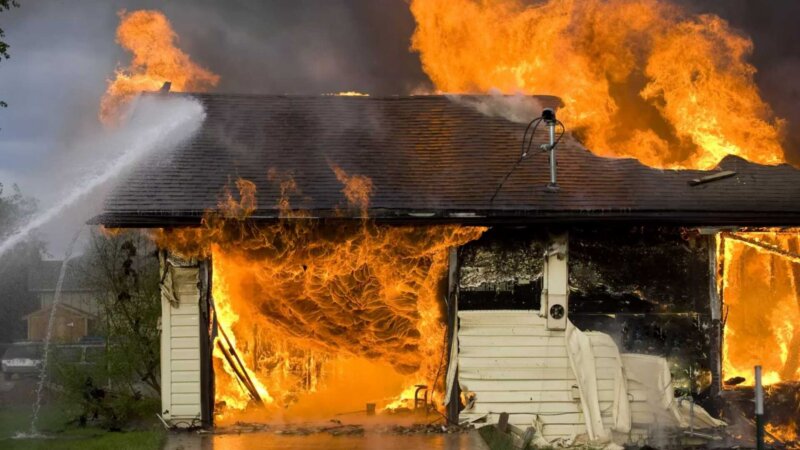
Experiencing a fire in your home is overwhelming, and most homeowners immediately ask one crucial question: what happens next? Understanding the steps of fire damage restoration Noblesville can offer clarity and peace of mind during a difficult time. From assessing structural safety to handling smoke, soot, water, and reconstruction, the restoration process is detailed, structured, and essential for returning your home to a safe living environment.
What happens first after a house fire in Noblesville?
The immediate aftermath of a fire is often chaotic. Even after firefighters extinguish the flames, risks remain inside the property. Knowing what to expect during the first 24 to 48 hours helps you stay prepared.
Safety inspections and securing the property
A trained restoration team begins by evaluating whether the home is safe to enter. Fires often weaken supports, ceilings, and roofing. To protect the property from further harm, professionals secure openings, cover roof damage, and block entry points. These steps reduce the chances of vandalism, weather intrusion, or structural collapse.
Initial documentation and insurance coordination
Before cleanup begins, damage must be documented. Teams photograph structural issues, soot accumulation, and water-affected areas. This documentation assists with insurance processing and ensures transparency. Restoration companies often communicate directly with insurance adjusters, easing the pressure on homeowners.
Water extraction and drying
From extinguishing efforts, moisture remains throughout the structure. Waterlogged materials can quickly lead to mold growth. Professionals deploy extraction tools, air movers, and dehumidifiers to dry the home. This stage sets the foundation for soot and smoke remediation later.
What is the fire damage restoration process in Noblesville?
Homeowners searching for the fire damage restoration process in Noblesville often want a clear step-by-step breakdown. Restoration companies follow proven procedures to ensure safety, structure integrity, and long-term protection.
Inspection and damage assessment
This is a detailed evaluation of fire damage, soot spread, smoke odor penetration, contents condition, and water intrusion. Technicians inspect rooms, attics, basements, HVAC systems, and personal items. The purpose is to create a clear restoration plan and determine which materials can be salvaged.
Emergency mitigation and property stabilization
After the assessment, immediate protective measures begin. These include removing dangerous debris, securing the roof, blocking window openings, and ensuring utilities are safely turned off. These actions prevent secondary damage and allow safe access for workers.
Smoke, soot, and odor removal
Homes affected by fire require extensive smoke and soot cleanup Noblesville IN. Soot can hide in ducts, cling to walls, embed in furniture, and contaminate HVAC systems. Specialists use HEPA filtration, dry sponging, chemical sponges, and thermal deodorization to remove residues. Smoke odor treatments may include ozone, hydroxyl generators, or thermal fogging depending on the type of fire and materials burned.
Water damage remediation and drying
When dealing with what happens after house fire Noblesville, water mitigation is always part of the process. Once the moisture is removed, materials are tested for dryness to prevent mold. Floors, subfloors, wall cavities, and insulation are monitored with moisture detection tools.
Reconstruction and repairs
Once the property is clean and dry, reconstruction begins. This stage may include drywall replacement, electrical rewiring, painting, roofing work, cabinet installation, duct cleaning, and flooring replacement. The goal is to restore the home to its pre-loss condition or better.
Here is a simple breakdown:
| Restoration Phase | What Happens | Importance |
| Assessment | Full property evaluation | Determines scope and safety |
| Mitigation | Securing and stabilizing property | Stops further damage |
| Smoke & Soot Removal | Cleaning and deodorizing surfaces | Restores livability |
| Water Mitigation | Drying structural materials | Prevents mold |
| Reconstruction | Repairs and rebuilding | Returns home to pre-loss condition |
What should homeowners expect during cleanup?
Every fire leaves different types of damage behind. Knowing what happens next helps you stay informed throughout the process.
Item evaluation and content restoration
Technicians evaluate belongings to determine what can be cleaned or salvaged. Items like clothing, electronics, furniture, artwork, and documents may undergo specialized cleaning. If needed, belongings are removed during a pack-out to protect them during reconstruction.
Residue cleaning and deodorization
Soot types vary. Protein fires, electrical fires, and natural material fires all create unique residues that require different cleaning methods. Proper deodorization eliminates smoke odors rather than masking them. Homeowners should expect multiple rounds of odor treatments depending on severity.
Structural drying and mold prevention
Lingering moisture is a major risk after a fire. Restoration companies use air movers and dehumidifiers, monitor humidity levels, and test materials to ensure mold prevention. This process may take days to weeks, depending on the amount of water used to extinguish the fire.
Insurance communication support
Fire claims can be complicated. Restoration teams often help gather documents, estimates, and reports needed by insurance adjusters. This prevents delays and ensures that homeowners receive fair evaluations.
Reconstruction and finishing work
Once cleanup is complete, the rebuild stage begins. This includes replacing damaged walls, floors, ceilings, fixtures, cabinets, and roofing. The final stage focuses on ensuring your home is not just structurally sound but also visually restored.
What local factors affect fire restoration in Noblesville?
Noblesville homeowners face unique conditions.
Climate impact
Indiana’s humidity levels can slow drying and increase mold risks. Cold winters also affect drying times and material choices. Experienced restoration teams factor climate into their drying strategies.
Local building codes
Reconstruction must follow Noblesville building regulations and permitting requirements. Knowing local codes ensures work meets safety, electrical, structural, and fire-prevention standards.
Choosing the right restoration company
Look for IICRC-certified professionals, experience with residential fires, 24/7 availability, and insurance support. Reviews and local references also help homeowners make informed choices.
How long does fire damage restoration take?
Timelines vary depending on fire size, structural damage, contamination levels, and reconstruction requirements. A general time range is:
- Emergency mitigation: 1 to 3 days
- Soot and smoke cleanup: 3 to 10 days
- Water drying: 5 to 14 days
- Reconstruction: several weeks to months
Homes with severe structural destruction may take longer. Your restoration team should offer an estimated timeline and update you regularly.
What will fire damage restoration cost?
Costs depend on the severity of the fire, square footage, reconstruction needs, water mitigation requirements, and whether contents require restoration. Insurance typically covers fire damage, but deductibles and policy limits apply. Requesting a detailed scope and estimate helps avoid surprises.
Helpful tips for homeowners navigating the process
- Document all damage before cleanup begins
- Keep communication open with insurance representatives
- Ask your restoration team about salvage possibilities
- Avoid DIY cleaning, soot can spread and cause permanent staining
- Store receipts and reports for insurance claims
- Use professional recommendations for reconstruction materials and finishes
FAQs
1. How soon should fire damage restoration begin?
Restoration should begin within 24 to 48 hours to prevent worsening damage from moisture, smoke, and soot.
2. Do homeowners need to leave during restoration?
Often yes. Severe smoke, structural issues, and safety concerns make staying unsafe.
3. What if the smoke odor remains after cleaning?
Advanced deodorization methods may be needed, including ozone or thermal fogging. Professional treatment ensures odor removal.
4. Is water damage part of fire restoration?
Yes. Water from firefighting efforts must be dried quickly to prevent mold or structural damage.
5. How do I choose the right restoration company?
Look for certified technicians, local experience, transparent estimates, and positive reviews.
Conclusion
Navigating the fire damage restoration Noblesville process becomes far less stressful when you know what to expect. From initial assessments and mitigation to soot removal, water extraction, repair work, and final reconstruction, each step helps restore your home’s safety and comfort. Acting quickly, working with certified professionals, and staying informed ensures the best possible outcome. At Guardian Angel Restoration, we’re committed to helping homeowners rebuild after fire loss with compassion, expertise, and dependable service every step of the way.