
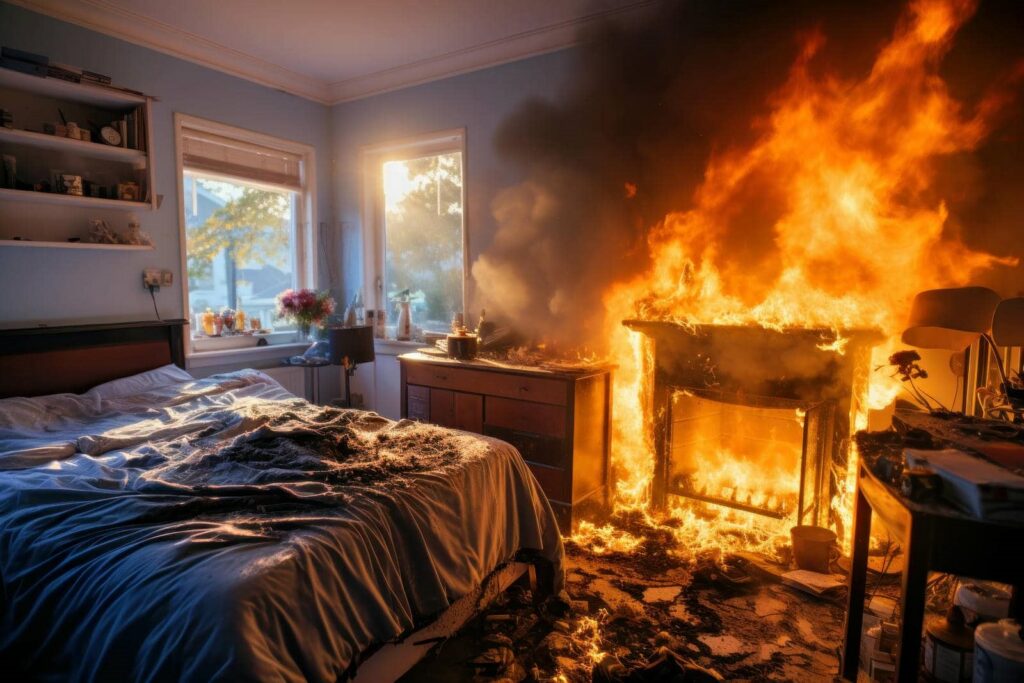
After a fire, understanding fire damage restoration is key to protecting the structure and limiting secondary damage. You’ll first verify safety, contact the right services, and document what’s affected. Then you can sort salvageable materials, remove debris, and clean soot before it settles deeper into surfaces. The real challenge starts when hidden damage has to be identified and stabilized, because what you can’t see now can still shape the full recovery.
Key Takeaways
- Ensure everyone is safe, call emergency services if needed, and contact your insurer to begin restoration.
- Document damage with photos, then secure the property by shutting off unsafe utilities and opening windows for ventilation.
- Remove debris carefully, sorting salvageable materials from hazardous burned contents using proper PPE and tools.
- Clean smoke and soot from surfaces with HEPA vacuuming, dry sponges, and appropriate detergents, working top to bottom.
- Repair damaged walls, floors, and fixtures, then stabilize the space and test for hidden hazards before reoccupying.
Immediate Steps After Fire Damage
After a fire, you need to act quickly and carefully to protect your property and limit further damage. First, confirm everyone’s safety and call emergency services if hazards remain.
Then, contact your insurer and start fire damage restoration as soon as possible. Document visible damage with photos from safe distances, and keep a simple inventory of affected rooms and belongings.
Shut off utilities only if authorities say it’s safe, and avoid entering unstable areas. Open windows when conditions allow to improve ventilation and reduce lingering smoke odors.
Wear protective gear if you must inspect the site. Work with licensed restoration professionals who can assess structural risks, moisture, and soot-related corrosion.
Acting fast helps your household stay coordinated, supported, and ready for recovery.
Fire Damage Cleanup And Debris Removal
Once the site is safe and documented, the next step is fire damage cleanup and debris removal. You’ll sort salvageable materials from burned debris, then bag, load, and haul away ruined contents with care.
Use PPE, heavy-duty tools, and labeled containers to keep the work organized and reduce hazards. Shut off damaged utilities, clear unstable items first, and keep walk paths open so your crew can move safely.
You’ll also separate recyclable metal, charred wood, drywall, and contaminated items according to local disposal rules. A structured cleanup protects your property from further loss and prepares every room for restoration.
With a clear plan and steady teamwork, you’re not handling this alone—you’re moving forward with a trained process that helps your space recover.
Remove Smoke And Soot From Surfaces
Next, you’ll remove smoke and soot from all affected surfaces before they can stain, corrode, or spread deeper into the structure.
Start with dry methods, such as HEPA vacuuming and chemical sponges, so you don’t smear residue. Then wash hard surfaces with the correct detergent for the material, testing a small area first.
You’ll also use approved soot cleaners on glass, metal, and sealed finishes to lift acidic deposits safely. Work from top to bottom and from clean areas toward heavier damage to avoid recontamination.
Keep ventilation running and wear gloves, eye protection, and a respirator. If your team stays systematic, you’ll control odors, protect finishes, and restore a healthier space for everyone.
Repair Walls, Floors, And Fixtures
Now that the soot and smoke residue are under control, you can begin repairing the damaged structure so it’s safe and stable again. Start by inspecting framing, drywall, subflooring, and trim for warping, cracking, or hidden burn marks.
Replace materials that’ve lost strength, then patch, sand, and seal the repaired areas for a clean finish. Match textures and paint so the space feels like yours again.
- A fresh drywall panel closing a dark, scorched opening
- Floorboards leveled where heat once buckled them
- A cabinet door realigned and fitted with new hardware
When you work methodically, each repair brings back structure and comfort. You’re not just fixing damage—you’re restoring a home that welcomes you in again.
Prevent Further Damage And Restore Safety
Before you move back into any area, shut off compromised utilities, cover broken openings, and secure unstable materials so the damage doesn’t spread.
Then you can start stabilizing the space with temporary supports, tarps, and board-ups where needed. Remove soaked debris, charred contents, and loose soot before they stain surfaces or attract pests.
Run fans and dehumidifiers only when electrical systems are confirmed safe, and keep windows closed if outdoor air could carry more smoke inside.
You should also test for hidden hazards, including weak floors, sharp metal, and lingering heat. If you smell gas, see sparks, or notice structural shifting, leave immediately and call professionals.
These steps help you protect your home, reduce secondary loss, and create a safer path forward for everyone who belongs there.
Final Thoughts
When fire damage hits, you’re not just cleaning up—you’re racing to stop a tiny disaster from becoming a total nightmare. By acting fast, securing the space, removing debris, scrubbing away smoke and soot, and repairing walls, floors, and fixtures, you put your property on the fastest path to recovery. You can’t control the fire, but you can control the comeback. Stay safe, document everything, and restore your space with confidence.