
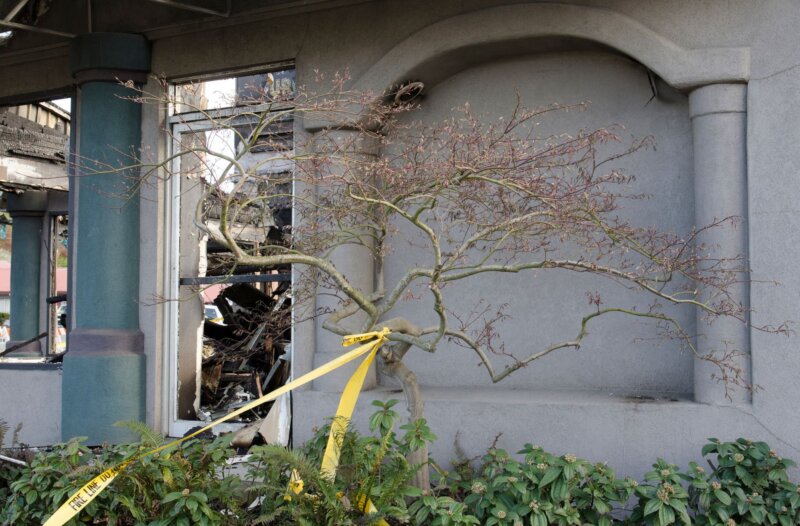
Experiencing a fire in your home is terrifying and can leave you feeling overwhelmed. The aftermath, filled with soot, smoke, and structural damage, can make the situation even more daunting. While you may be eager to start cleaning up, it’s essential to approach fire damage cleanup correctly to ensure your safety and the effectiveness of the restoration.
When people rush into the cleanup process, they often make mistakes that can make things worse. These errors can lead to more damage, increased costs, and even health hazards. Understanding the common pitfalls can help you avoid them and ensure a smoother, safer recovery process.
Not Prioritizing Safety First
Safety should always come first after a fire. The area may still be dangerous, with structural damage, electrical hazards, and lingering smoke. Here are key actions to ensure safety:
1. Wait for Official Clearance: Before you enter the property, make sure that local authorities have declared it safe. Don’t rush in just to start cleaning.
2. Turn Off Utilities: Fires can damage electrical wiring, gas lines, and water pipes. Turn off electricity, gas, and water supply until a professional can inspect and confirm they are safe.
3. Wear Protective Gear: Equip yourself with protective gear like gloves, masks, and safety goggles. This protects you from sharp debris, harmful chemicals, and breathing in soot or ash.
4. Watch for Structural Damage: Be cautious of weakened floors, falling debris, and unstable structures. If something looks unsafe, don’t attempt to clean it yourself. Call professionals for help.
Ignoring these safety steps can lead to serious injuries or further damage. Always put your health and safety first before worrying about the mess.
Ignoring Hidden Damage and Dangers
Fire damage isn’t always visible. Ignoring hidden damage can cause bigger problems down the road. Here’s what to look out for:
1. Smoke Residue in HVAC Systems: Smoke can travel through air ducts and settle in your HVAC system, spreading odor and soot throughout your home. Get your air ducts cleaned to avoid this.
2. Electrical Damage: Fires often damage electrical wiring behind walls. Even if everything looks fine on the surface, hidden wiring issues can cause future fires. Have an electrician inspect your home.
3. Water Damage from Firefighting Efforts: Firefighters often use large amounts of water to extinguish flames. This water can seep into floors, walls, and ceilings, causing mold and structural damage. Look for these problems and deal with them promptly.
4. Lingering Smoke Residue: Smoke can seep into walls, fabrics, and furniture. If not properly cleaned, it can leave a lasting odor and health risks like respiratory issues.
By addressing hidden dangers and damage early on, you can prevent them from causing more harm to your home and health. Taking these extra steps ensures a comprehensive and effective cleanup.
Using the Wrong Cleaning Methods
One major mistake in fire damage cleanup is using the wrong cleaning methods. Not all surfaces and materials respond the same way to cleaning solutions. Here’s a breakdown of what to avoid:
1. Using Water on All Surfaces: Water can damage some surfaces and spread soot further. Always test a small area before applying water broadly.
2. Using Regular Vacuum Cleaners: Regular vacuum cleaners can blow soot into the air, making things worse. Use a vacuum with a HEPA filter for effective soot removal.
3. Ignoring Manufacturer Instructions: Many household items have care instructions. Follow these guidelines to avoid ruining them during cleanup.
4. Using Harsh Chemicals: Some chemicals can damage surfaces further or produce harmful fumes when mixed with soot. Stick to recommended cleaning agents for fire damage.
Using the correct methods will ensure you clean effectively without causing more damage. When in doubt, consult with professionals who specialize in fire damage cleanup.
Failing to Address Smoke and Soot Odor
Another common mistake is not addressing the lingering smoke and soot odor properly. Even after cleaning, unpleasant smells can persist if not dealt with correctly. Here’s how to tackle this issue:
1. Using Household Deodorizers: Regular air fresheners only mask the smell temporarily. Use specialized products designed to neutralize smoke odors.
2. Not Cleaning All Affected Areas: Smoke and soot can penetrate hidden spaces like attics, basements, and crawl spaces. Make sure to clean these areas to fully eliminate the odor.
3. Ignoring Soft Goods: Fabrics like curtains, upholstery, and clothes hold onto smoke smells. Wash or professionally clean these items to remove odors.
4. Overlooking HVAC Systems: Smoke can get into your HVAC system and circulate through your home. Have your ducts cleaned to prevent this issue.
By properly addressing smoke and soot odors, you can ensure your home smells fresh and clean once again.
Conclusion
Cleaning up after a fire can be overwhelming, but avoiding common mistakes can make the process smoother. Prioritizing safety is crucial to prevent further harm. Be diligent in uncovering hidden damages to avoid bigger problems later. Use the right cleaning methods for different surfaces to ensure thorough cleanliness without causing additional damage. Lastly, properly addressing smoke and soot odors will make your home feel fresh again.
For expert fire damage restoration in Indianapolis, contact Guardian Angel Restoration. We’re experienced in handling fire damage and can assist you in making your home safe and comfortable again. Let us take the stress out of your restoration process.