

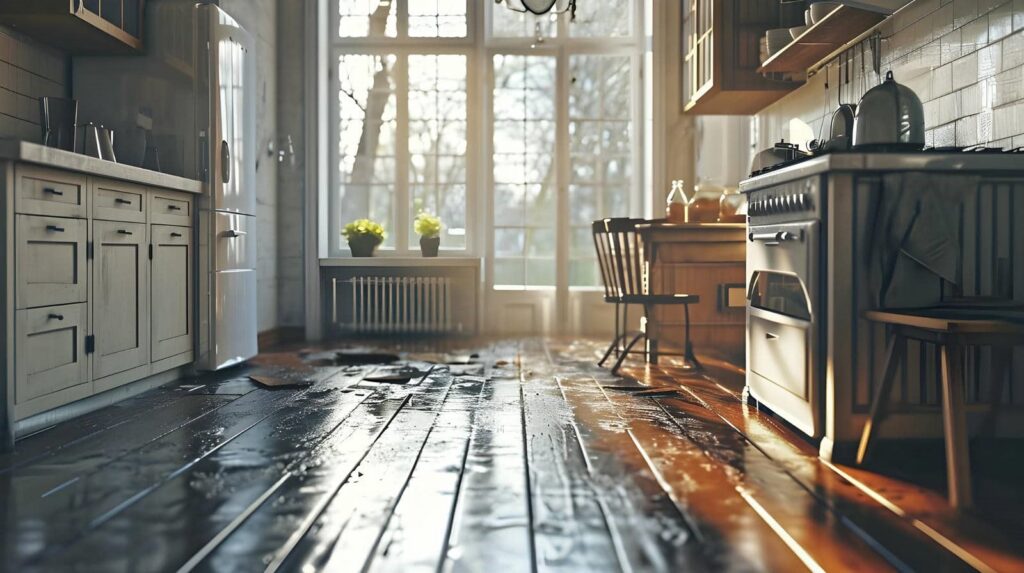
When water enters your property, you need to know whether you’re dealing with cleanup or full restoration, because the right response affects damage, safety, and cost. Cleanup usually removes standing water and dries the area, while restoration repairs what the water has already compromised. Water damage cleanup vs restoration differences aren’t just semantic; they change what gets done next, and in many cases, the first few hours determine everything that follows.
Key Takeaways
- Cleanup removes standing water, dries affected areas, and sanitizes surfaces to stop further damage.
- Restoration repairs or rebuilds damaged materials like drywall, flooring, and insulation after cleanup.
- Cleanup is enough for minor spills on hard surfaces with no structural or hidden moisture damage.
- Restoration is needed when water reaches walls, subfloors, framing, or causes contamination or odors.
- Fast action reduces mold risk, protects property, and improves insurance documentation.
What Counts as Water Damage Cleanup?
Water damage cleanup is the immediate process of removing standing water, drying affected materials, and stabilizing the area to prevent further loss.
You handle the visible aftermath: extraction, surface drying, moisture removal, and debris disposal. This step also includes checking affected rooms for damp carpets, warped trim, and contaminated items that need prompt removal.
You don’t usually rebuild anything here; you focus on controlling conditions before damage spreads. Understanding water damage cleanup vs restoration differences helps you choose the right response and avoid delays.
Cleanup is the first, urgent phase, so you can protect your space and support the next professional step with confidence and clarity.
What Water Damage Restoration Includes
Water damage restoration starts with a structural drying process that removes moisture from materials, cavities, and air spaces to stabilize the affected area.
You’ll then address repair and rebuild work, which can include replacing damaged drywall, flooring, insulation, and other structural components.
Together, these steps return your property to a safe, functional condition after cleanup is complete.
Structural Drying Process
Once the visible water is removed, restoration shifts to structural drying to prevent hidden moisture from damaging framing, drywall, flooring, and insulation.
You’ll see technicians map wet zones, measure moisture, and set targeted airflow and dehumidification to lower material content safely. This process helps you avoid lingering odors, microbial growth, and warped surfaces while keeping your space stable and familiar.
Moisture detection pinpoints trapped water.
Air movers speed evaporation across materials.
Dehumidifiers pull vapor from indoor air.
Ongoing readings confirm when drying is complete.
You’re not just drying a room; you’re protecting the structure your household relies on.
Careful monitoring ensures every affected layer reaches acceptable levels before restoration moves forward.
Repair and Rebuild
After structural drying confirms the affected materials are stable, restoration can move into repair and rebuild work that returns the property to pre-loss condition.
You’ll see technicians replace damaged drywall, insulation, baseboards, flooring, and trim, then repair framing, cabinets, and other finish materials as needed.
They’ll also address electrical, plumbing, and HVAC components when water has compromised performance or safety.
Skilled crews document each step, match materials to existing specifications, and coordinate sequencing so you’re not left with delays or avoidable rework.
This phase doesn’t just make the space look finished; it restores function, code compliance, and structural integrity.
When you work with a qualified team, you get a clear path from damage to recovery, and you can feel confident your property’s been brought back correctly.
What’s the Difference Between Cleanup and Restoration?
Cleanup focuses on removing standing water, extracting moisture, and drying affected materials to stop further damage.
Restoration goes further by repairing, replacing, and returning your property to its pre-loss condition after the initial cleanup is complete.
You’ll need cleanup for immediate mitigation and restoration for structural and finish repairs.
Cleanup Process Overview
When water damage hits, cleanup focuses on removing standing water, extracting moisture, and clearing away immediate contaminants so the affected area can dry safely.
You’ll see this phase as the first response that stabilizes your space and reduces further spread. It’s a technical, time-sensitive process that helps you regain control fast, and you’re not handling it alone.
Key cleanup steps include:
Shutting off affected utilities
Pumping or extracting pooled water
Removing soaked debris and unsalvageable materials
Cleaning surfaces to reduce contamination
Cleanup doesn’t rebuild or finish the space; it creates a safe, dry starting point.
When you understand this difference, you can join others who act quickly and protect their property with confidence, clarity, and teamwork.
Restoration Process Overview
Once the water is removed and the area is safe to enter, restoration takes over to repair, rebuild, and return the property to its pre-loss condition.
You’ll see technicians replace damaged drywall, insulation, flooring, trim, and cabinetry, then address structural materials that can’t be salvaged. They also verify moisture levels, correct hidden damage, and coordinate rebuilding so your space meets code and performs properly.
Unlike cleanup, which focuses on extraction and drying, restoration restores function, appearance, and safety. You stay informed through each phase, so you know what’s being repaired and why.
If you’re part of the project, you’re not left guessing; you’re working with a team that helps your property feel whole again, with precision, accountability, and a clear path back to normal.
When Do You Need Cleanup Only?
You need cleanup only when water exposure is minor, contained, and hasn’t soaked into building materials or created structural damage. In these cases, you can often protect your space with fast extraction, disinfection, and drying.
You spot a small spill or overflow.
Water sits on hard, nonporous surfaces.
Moisture hasn’t reached walls, subfloors, or insulation.
You can dry the area within hours.
You should act quickly, because prompt cleanup helps limit microbial growth and surface staining. If you’re in a home or business community that values safe, well-kept spaces, this approach fits a low-risk event.
Prompt cleanup limits microbial growth and staining, making it the right response for a low-risk water event.
Use towels, wet vacuums, air movement, and sanitizing agents as needed. When conditions stay localized and stable, cleanup alone can resolve the issue.
When Is Full Water Damage Restoration Needed?
Full water damage restoration is needed when moisture has spread beyond the surface and begun affecting building materials, contents, or structural components.
You need it when drywall softens, insulation wicks water, subfloors swell, or framing stays damp after initial extraction.
If contamination is present, if odors persist, or if mold can start growing within 24 to 48 hours, cleanup alone won’t protect your space.
Restoration includes controlled drying, material removal, sanitizing, repairs, and moisture verification, so you can return your home or business to a safe, stable condition.
When water reaches hidden cavities, you’re dealing with damage that requires a coordinated technical response, not just surface drying.
Choosing full restoration helps you restore both function and confidence in your environment.
How Do You Choose the Right Service?
To choose the right service, match the scope of damage to what’s affected: cleanup works when water is clean, limited to a small area, and hasn’t soaked into porous materials, while restoration is needed when moisture has penetrated drywall, flooring, insulation, or framing.
You’ll feel confident when you assess:
Water source: clean, gray, or sewage.
Affected materials: nonporous or structural.
Moisture spread: surface-only or hidden.
Time since intrusion: recent or prolonged.
If you see staining, warping, odors, or elevated moisture readings, choose restoration.
If the spill is contained and surfaces dry quickly, cleanup may be enough.
When you call a reputable team, you’re protecting your home and joining neighbors who act fast, document damage, and prevent secondary mold growth.
Frequently Asked Questions
How Quickly Should Water Damage Be Addressed?
You should address water damage immediately, ideally within 24 hours, because moisture spreads fast and molds can start growing. Act now, shut off water, dry affected areas, and call professionals to prevent structural damage and contamination.
Can Insurance Cover Cleanup or Restoration Costs?
Yes, your insurance can cover cleanup or restoration if your policy includes water-loss protection. You’ll need fast documentation, mitigation receipts, and adjuster approval, like a lifeline through flooded rooms, to secure reimbursement.
What Equipment Is Used During Water Damage Services?
You’ll use extraction pumps, wet/dry vacuums, air movers, dehumidifiers, moisture meters, infrared cameras, and antimicrobial sprayers. You’ll also need personal protective equipment and containment tools to dry, monitor, and restore your space safely.
How Long Does the Drying Process Usually Take?
Usually, you’ll dry affected areas in 24 to 72 hours, though severe saturation can take longer. Don’t worry—you’ll see dehumidifiers and air movers working together, helping you fit in with a fully restored, safe space.
Are Mold Inspections Needed After Water Damage?
Yes, you should schedule mold inspections after water damage if materials stayed wet over 24–48 hours. You’ll identify hidden growth early, protect indoor air quality, and know whether remediation’s needed before rebuilding.
Recap
If you act fast, you can limit both damage and cost: the IICRC notes that mold can begin growing within 24 to 48 hours after water exposure. You should treat cleanup as the first response, removing water and drying materials immediately. You should choose full restoration when structural materials, finishes, or systems need repair or rebuilding. By matching the service to the severity, you protect your property and prevent hidden moisture problems from returning.