
Fire damage cleanup can range from $3,000 for light smoke removal to $50,000 or more for major structural loss. You’ll see the final bill swing based on square footage, soot depth, odor treatment, material replacement, and water damage from suppression. If you’re trying to estimate your exposure, the real cost drivers aren’t always obvious, and one overlooked factor can change everything.
Key Takeaways
- Fire damage cleanup costs range from a few thousand dollars for minor smoke removal to tens of thousands for major structural losses.
- Pricing depends on square footage, labor, equipment, debris hauling, and how much material needs replacement.
- Smoke, soot, and odor removal often require specialized cleaning, HEPA vacuuming, and deodorization treatments.
- Water from firefighting can raise costs through drying, dehumidification, mold prevention, and repairs to insulation or drywall.
- Professional restoration and itemized inspections help control surprises, document insurance claims, and reduce long-term cleanup costs.
Average Fire Damage Cleanup Costs
Average fire damage cleanup costs typically range from a few thousand dollars for minor smoke and soot removal to tens of thousands of dollars for severe structural damage and full restoration.
You’ll usually see the cost of fire damage cleanup services rise with square footage, material replacement, labor intensity, and required equipment.
If you’re dealing with a small, contained incident, technicians may finish fast with targeted cleaning, deodorization, and surface treatment.
Larger losses demand demolition, debris hauling, drying, and rebuilding coordination.
You can control surprises by getting an onsite inspection, itemized estimate, and documented scope before work starts.
When you compare providers, look for clear pricing, insurance familiarity, and a team that explains each line item so you feel supported throughout recovery.
Fire Damage Cleanup Cost by Damage Type
Fire’s fingerprint varies by damage type, and so does the cleanup cost you’ll face. If flames char framing, drywall, or cabinets, you’ll usually pay for demolition, debris hauling, and structural drying.
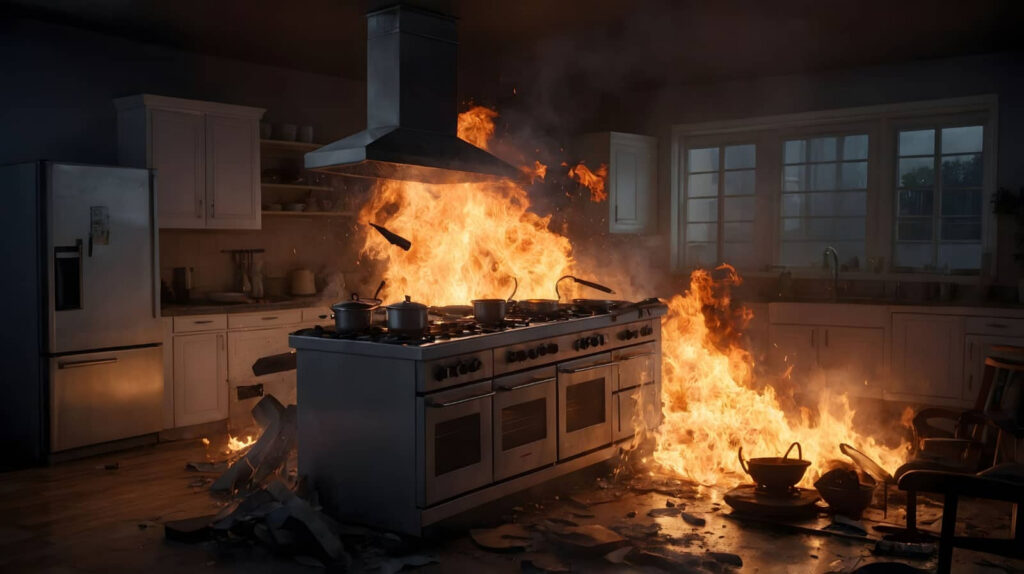
Electrical fires often raise costs because you may need licensed inspection, wiring replacement, and code compliance work. Kitchen fires can stay localized, so you might spend less if cabinets, vents, and nearby finishes survive.
When contents are heavily damaged, you’ll add packing, sorting, and disposal fees. Water from suppression systems can also increase your bill by requiring extraction and dehumidification.
You’re not alone in this process; a good restoration team will explain which materials can be saved, which must go, and how each damage type drives your final invoice.
Smoke, Soot, and Odor Removal Costs
Even after the flames are out, smoke and soot can keep driving up cleanup costs because they spread beyond the burned area and settle into walls, ductwork, insulation, and contents.
You’ll usually pay for detailed source removal, HEPA vacuuming, dry or wet sponging, and specialized cleaning on hard surfaces, fabrics, and electronics.
Odor removal often adds ozone treatment, hydroxyl generators, thermal fogging, or sealing agents when smoke has penetrated deeply.
Light smoke cleanup may stay relatively manageable, but greasy soot from plastics or protein fires takes more labor and supplies.
If you’re restoring a shared home or business, expect technicians to isolate affected zones and clean systematically so your space feels safe, fresh, and truly usable again.
Fire Damage Cleanup Cost Factors
Cleanup costs depend on more than smoke and soot removal, because the final price reflects how far the fire spread, what materials burned, and how much of the structure needs repair or replacement.
You’ll usually pay more when flames reach multiple rooms, structural framing, or built-in finishes. The type of material matters too; porous surfaces, plastics, and composites often need more intensive cleaning or disposal than metal or tile.
Labor hours, equipment use, debris hauling, and containment setup also shape your bill. If you need specialized testing for hidden contamination or code-compliant rebuilds, costs rise further.
You can help control expenses by documenting damage, limiting access, and working with a restoration team that explains each line item clearly, so you stay informed and supported.
How Water Damage Raises Cleanup Costs
When fire crews douse flames, the water they use can soak drywall, insulation, flooring, and framing, which adds a second layer of restoration work on top of smoke and soot cleanup.
You’ll often need moisture mapping, demolition of saturated materials, and structural drying with air movers and dehumidifiers. That extra equipment runs longer when hidden cavities stay wet, so labor and utility costs climb.
Water also spreads soot deeper into porous surfaces, making cleaning more intensive and sometimes forcing replacement instead of salvage.
If you’re dealing with a shared wall, ceiling, or crawlspace, the affected area can expand quickly, increasing removal, drying, and odor treatment.
The more water intrusion you have, the more your cleanup team must restore both safety and stability.
DIY Cleanup vs. Professional Fire Restoration
If you handle fire cleanup yourself, you can lower labor costs, but you’ll also face soot residue, smoke odor, hidden moisture, and potential structural hazards that can drive up later repair bills.
Professional fire restoration crews use industrial-grade extraction, HEPA filtration, deodorization, and damage assessment to reduce contamination and catch issues you might miss.
In most cases, you’re trading immediate savings for higher risk, while professional service adds upfront cost but can limit total restoration expense.
DIY Cleanup Risks
Although DIY fire cleanup can seem like a way to cut costs, it often creates more risk than savings because fire damage usually involves hidden hazards like soot contamination, smoke odor, unstable materials, and toxic residues.
You may stir particles into carpets, ducts, and porous walls, spreading damage farther than the burn area. If you scrub the wrong surface, you can etch finishes, lock in stains, or release harmful dust.
Wet cleanup can also trigger corrosion and mold in hours. Without proper protective gear, you’re exposed to respiratory irritants and sharp debris.
You belong on the side of caution here: inspect, ventilate, isolate, and document damage, but avoid aggressive cleaning until you know what’s safe.
Professional Restoration Benefits
Professional fire restoration gives you a faster, safer, and more complete cleanup because trained crews know how to assess structural damage, remove soot and smoke residues, and stop secondary problems before they spread.
You also get controlled demolition, moisture extraction, odor neutralization, and HEPA filtration that DIY methods can’t match.
Professionals document losses for insurance, which helps you protect your claim and avoid surprise costs.
They use calibrated meters to find hidden damage in framing, insulation, and HVAC systems, then treat each area with the right containment and cleaning agents.
That precision lowers the chance of mold, corrosion, and lingering smoke.
When you work with an experienced team, you join a process built to restore your space efficiently and help you feel confident moving forward.
How to Estimate Fire Damage Cleanup Costs
You can estimate fire damage cleanup costs by starting with a detailed damage assessment that notes affected materials, soot spread, smoke penetration, water intrusion, and structural impact.
From there, you’ll map each repair category to its restoration cost factors, including labor, equipment, debris removal, cleaning methods, and replacement materials.
The more accurately you document the site, the more precise your total cleanup estimate will be.
Damage Assessment
A thorough damage assessment is the starting point for estimating fire damage cleanup costs because it identifies the scope of structural loss, smoke and soot contamination, water damage from suppression efforts, and any hazards such as unstable materials or lingering odors.
You’ll want a trained inspector to document every affected surface, room, and hidden cavity so you can avoid missed cleanup items and surprise charges.
- Map visible fire, smoke, and heat impact.
- Test for water saturation and secondary damage.
- Record contents losses and salvageable materials.
- Note safety risks, access limits, and odor sources.
When you compare these findings with your crew’s scope, you’ll get a realistic estimate and speak confidently with professionals who understand what you’re facing together.
Restoration Cost Factors
Several key variables drive fire damage cleanup pricing, and the final bill usually reflects more than just the visible burn area.
You’ll pay for labor, debris removal, smoke and soot removal, odor treatment, and structural repairs. If fire reached framing, drywall, insulation, or wiring, your costs climb fast.
Water used to extinguish flames can add drying, mold prevention, and dehumidification work.
Contents restoration matters too, because salvageable furniture, electronics, and textiles need separate handling.
Accessibility, contamination level, and emergency response speed also affect pricing.
To estimate your cost, compare inspection notes, square footage, and damage categories, then request itemized quotes from certified restoration teams.
That approach helps you and your neighbors in recovery speak the same language and avoid surprises.
Ways to Lower Fire Restoration Costs
To lower fire restoration costs, act quickly to limit additional damage and reduce the scope of cleanup. You can protect your home’s structure and your budget by documenting losses, calling your insurer, and choosing certified crews who coordinate with your claim.
Avoid DIY on soot, smoke, and water contamination; mistakes often raise labor and replacement costs. Prioritize stabilization, then target the most affected rooms first so you don’t pay for unnecessary demolition.
- Board openings and cover exposures.
- Remove wet materials before mold starts.
- Separate salvageable items from total loss.
- Approve only needed repairs after inspection.
When you stay organized and work with trusted professionals, you join a smarter recovery process that keeps pricing controlled and restoration efficient.
Frequently Asked Questions
Does Insurance Usually Cover Fire Damage Cleanup Services?
Usually, your homeowners or renters policy covers fire damage cleanup, including debris removal, smoke cleanup, and repairs, if the fire’s a covered peril. You’ll need to file promptly, document losses, and review deductibles, exclusions, and limits.
How Long Does Fire Damage Cleanup Typically Take?
You’ll usually need a few days to several weeks, depending on smoke, soot, water, and structural damage. If you act quickly, you’ll speed drying, cleaning, deodorizing, and repairs, while reducing contamination spread.
Are Contents Like Furniture and Clothing Salvageable After a Fire?
Yes, you can often salvage furniture and clothing—because smoke apparently loves to “decorate.” You’ll need quick inspection, deodorizing, dry cleaning, and structural checks; porous or heavily charred items usually aren’t worth keeping.
What Permits Are Needed for Fire Restoration Work?
You’ll usually need building, electrical, plumbing, and mechanical permits, plus demolition or asbestos permits if needed. Your local authority may also require fire department clearance and inspections before you start restoration work.
When Should Structural Repairs Start After Cleanup?
You should start structural repairs after cleanup once you’ve cleared soot, dried materials, and verified stability; not before. You’ll need inspections, permits, and moisture checks first, then your contractor can rebuild safely and efficiently.
Conclusion
When you face fire cleanup, you’re not just clearing a scene—you’re guiding a house back from a storm of ash and water. You can control costs by acting fast, getting itemized estimates, and matching the restoration plan to the real damage. If you skip professional help, hidden soot and moisture can keep spreading like embers under floorboards. When you choose the right crew, you protect your structure, your air quality, and your budget.