
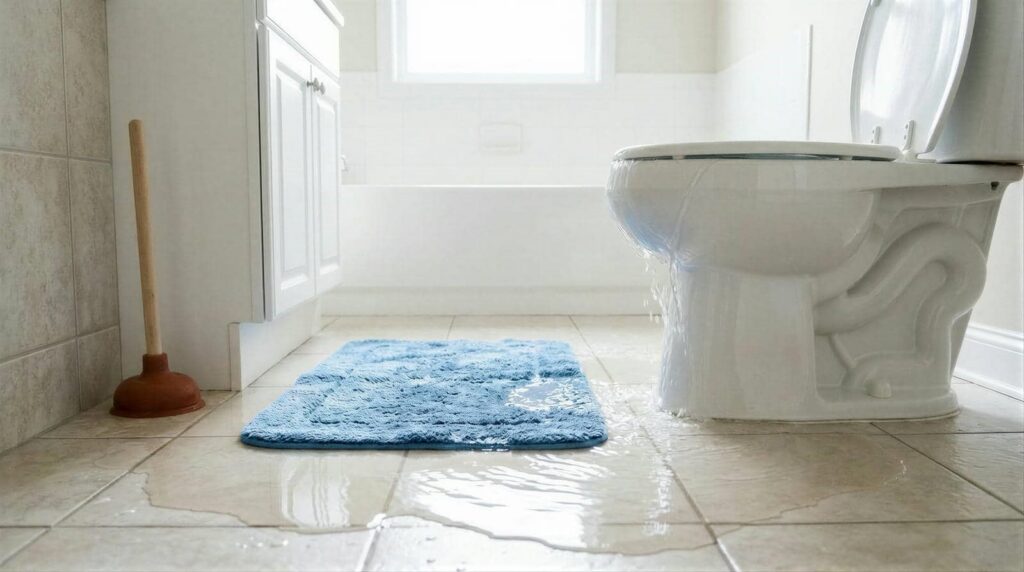
Sewage cleanup costs can rise fast when contamination spreads farther than you expect. You’ll usually pay more if the damage covers larger areas, includes hidden moisture, or needs specialized equipment and disposal. The sewage type also changes the price, since some cases require deeper sanitizing and repairs. If you compare quotes carefully, you can spot where response time, documentation, and cleanup scope are driving the total.
Key Takeaways
- Sewage cleanup costs rise with larger contaminated areas, damaged materials, and more labor-intensive work.
- Black water and heavily contaminated sewage require stricter safety steps, increasing disposal and sanitation expenses.
- Quick response usually lowers costs by limiting moisture spread, structural damage, and replacement needs.
- Hidden moisture, restricted access, and longer exposure time can add inspection, drying, and repair costs.
- Compare quotes by checking itemized services, certifications, containment, deodorization, and insurance or permit handling.
Sewage Cleanup Costs Explained
Sewage cleanup costs depend on how extensive the contamination is, what materials the wastewater has damaged, and how quickly you respond.
When you review the cost of sewage cleanup services, you’re really paying for assessment, extraction, sanitation, drying, and final verification. You can expect a professional team to isolate affected areas, remove contaminated contents, and restore safe conditions while protecting your home or business.
If you act fast, you’ll usually limit spread and reduce total labor and replacement needs. Your price also reflects required equipment, disposal methods, and documentation for insurance or compliance.
You’re not handling this alone; experienced crews guide you through each step and help you return to a clean, healthy space with confidence.
What Increases Sewage Cleanup Costs
Several factors can drive up sewage cleanup costs, especially when contamination spreads beyond one room or soaks into porous materials like carpet, drywall, and insulation.
You’ll usually pay more when crews need extra containment, specialized disinfectants, or longer drying time to protect your home and everyone in it.
Larger affected areas mean more labor and equipment
Hidden moisture raises the need for inspection and drying
Restricted access can slow cleanup and add time
Disposal and sanitation requirements increase with contamination
You can help limit costs by calling a qualified team quickly and clearing the work area if it’s safe.
Acting fast keeps the job smaller, lowers risk, and helps you get back to normal with less stress.
How Sewage Damage Type Affects Price
The type of sewage damage plays a major role in what you’ll pay, because clean water intrusion, gray water, and black water each require different cleanup methods, safety measures, and disposal steps.
Clean water usually costs less because crews can act quickly and face lower contamination risk. Gray water raises the price since it may contain soap, food waste, or other pollutants that need more careful handling.
Black water typically costs the most because it can carry bacteria, viruses, and harmful solids, so technicians must use stricter containment and disposal protocols.
You’ll also see higher labor and equipment charges when the affected area is larger or access is limited.
Understanding your damage type helps you compare estimates with confidence and choose a crew that fits your situation.
Repair and Sanitizing Costs
If sewage sat in place for hours, you may need deeper cleaning and more materials removed. Moisture control also matters because leftover dampness can spread bacteria and mold, driving labor and equipment charges higher.
- Disinfectant application
- Structural drying
- Material replacement
- Odor removal
When you’re planning your budget, expect repair scope to track the contamination level and how much of the area needs to be made safe again. The more finish work you need, the more your total rises, so act quickly and stay coordinated with your cleanup team.
How to Compare Sewage Cleanup Quotes
Once the cleanup scope is clear, you can compare quotes with a sharper eye. Ask each provider to itemize extraction, demolition, drying, sanitizing, disposal, and repairs, so you can see where your money’s going.
Check whether the estimate includes microbial testing, deodorization, PPE, equipment rentals, and after-hours labor. Make sure the company lists containment, air filtration, and permit handling if local rules require them.
Compare response times, insurance coverage, and certifications too, because low bids can hide gaps in protection. If two quotes differ, ask what’s excluded and whether the crew expects hidden damage.
You deserve a team that’s transparent and reliable, so choose the estimate that matches the actual risk, not just the lowest number.
Recap
When you face sewage damage, you’re not just paying for cleanup—you’re paying for speed, precision, and peace of mind. The wider the spread, the deeper the contamination, and the more hidden moisture there is, the higher the cost can climb. By acting fast, comparing quotes, and making sure every step includes proper sanitizing and documentation, you can keep expenses in check and restore your space with less disruption and fewer surprises.