
Sewer backups are a messy and stressful problem for any homeowner. When it happens, it can cause unpleasant odors, extensive damage, and even health risks. Knowing how to handle a sewer backup quickly and efficiently is crucial to minimize the impact on your home and family.
In this article, we will cover everything you need to know about dealing with sewer backups, including common causes, immediate steps to take, preventive measures, and when to seek professional help. Let’s get started on making sure your home stays clean and safe.
Common Causes of Sewer Backup
Understanding the common causes of sewer backups can help you prevent them. Several factors can lead to a sewer backup, and knowing what to look for can save you a lot of trouble.
1. Clogs: One of the most common causes of sewer backups is clogs in the pipes. These clogs can be due to grease, hair, soap, or other debris that build up over time. When these materials block the flow of water, it can cause a backup.
2. Tree Roots: Tree roots can invade your sewer lines, especially if your pipes are old or have cracks. These roots can grow into the pipes, causing blockages and even breaking the pipes entirely. Regular inspections can help detect and prevent this issue.
3. Heavy Rainfall: During heavy rain, the sewer system can become overwhelmed with water. This can lead to water backing up into homes, especially if the sewer system is already at capacity or if there’s poor drainage.
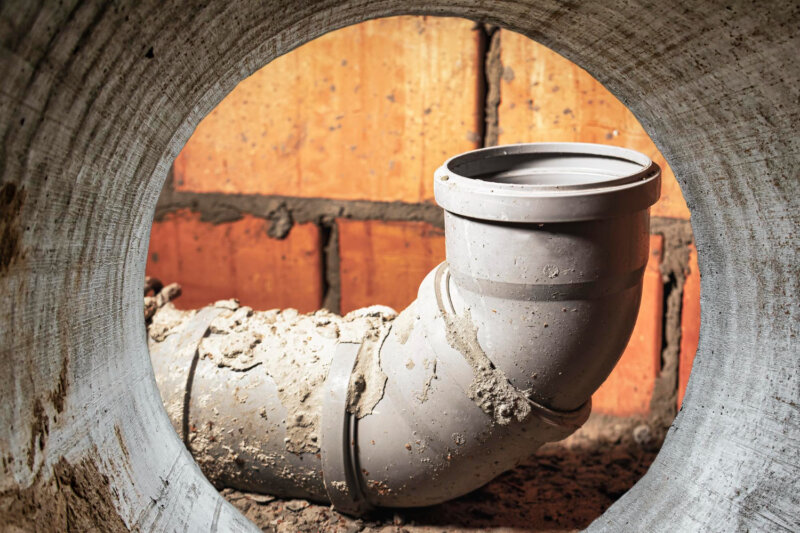
4. Broken or Collapsed Pipes: Aging or damaged pipes can also cause backups. Pipes made of outdated materials like clay or cast iron are more susceptible to breaking or collapsing. This can restrict water flow and lead to a backup.
Immediate Steps to Take When a Backup Occurs
When a sewer backup happens, taking immediate action is crucial to minimize damage and protect your health. Here are the steps you should follow:
1. Stop Using Water: The first thing to do is stop using water in your home. This includes flushing toilets, using sinks, and running appliances like dishwashers and washing machines. This will prevent more water from entering the sewer system and making the backup worse.
2. Turn Off Electricity: If there is standing water or the backup is near electrical outlets or appliances, turn off the electricity to the affected area. Water and electricity are a dangerous combination, and it’s better to be safe.
3. Wear Protective Gear: Before you begin any cleanup, put on protective gear like gloves, boots, and a face mask. Sewer water contains harmful bacteria and pathogens that can make you sick. It’s important to protect yourself.
4. Remove Excess Water: Use a wet/dry vacuum or a bucket to remove as much standing water as possible. The quicker you get the water out, the less chance it has to cause damage.
5. Clean and Disinfect: After removing the water, clean and disinfect the affected area thoroughly. Use a bleach solution to kill any bacteria or viruses. Make sure to ventilate the area to help it dry out and reduce mold growth.
6. Document the Damage: Take photos and document the damage for insurance purposes. This will help if you need to file a claim for repairs and restoration.
How to Prevent Future Sewer Backups
Preventing sewer backups involves a mix of regular maintenance and smart habits. Follow these tips to keep your sewer system running smoothly:
1. Dispose of Waste Properly: Avoid flushing items that can clog the pipes, such as wipes, diapers, and sanitary products. Only flush toilet paper and human waste. In the kitchen, don’t pour grease or fats down the sink, as they can solidify and block the pipes.
2. Install a Backwater Valve: Consider installing a backwater valve. This device prevents water and sewage from flowing back into your home during heavy rainfall or when the main sewer line is overloaded. A plumber can install this for you.
3. Regular Inspections: Schedule regular inspections with a plumber to check for any potential issues like tree root invasion or pipe deterioration. Early detection can prevent major problems down the line.
4. Clean Your Drains: Use a drain snake or call a professional to clean your drains periodically. This helps remove buildup and prevents clogs before they turn into bigger issues.
5. Maintain Your Yard: Be mindful of where you plant trees and shrubs. Keep them away from sewer lines to avoid root intrusion. Regularly check the condition of your outdoor sewage access points to ensure they are not blocked or damaged.
When to Call a Professional Restoration Service
Sometimes, a sewer backup can be too severe to handle on your own. Knowing when to call a professional restoration service can save you a lot of stress and potential damage.
1. Extensive Damage: If the backup has affected a large area of your home, it’s best to call professionals. They have the equipment and expertise to handle extensive water and sewage cleanup efficiently.
2. Health Risks: Sewer water is hazardous and can contain harmful bacteria and pathogens. If the backup involves contaminated water, hiring a restoration service ensures the area is cleaned and disinfected properly, reducing health risks for your family.
3. Persistent Issues: If you experience frequent backups, there could be a deeper issue with your sewer system. A professional can diagnose the problem and provide a long-term solution, preventing future backups.
4. Structural Concerns: A severe backup can cause structural damage to your home. Professionals can assess the damage, make necessary repairs, and ensure your home is safe and stable.
Conclusion
Dealing with a sewer backup can be daunting, but knowing the common causes, immediate steps to take, and preventive measures can make the process smoother. It’s important to act quickly to minimize damage and take steps to prevent future issues. Regular maintenance and mindful habits go a long way in keeping your sewer system healthy.
At Guardian Angel Restoration, we’re here to help you with any sewer backup issues you face. Our team of experts will ensure your home is restored back to its safe and clean state. Don’t wait for the problem to get worse—contact us today for professional and reliable restoration services in Indianapolis.