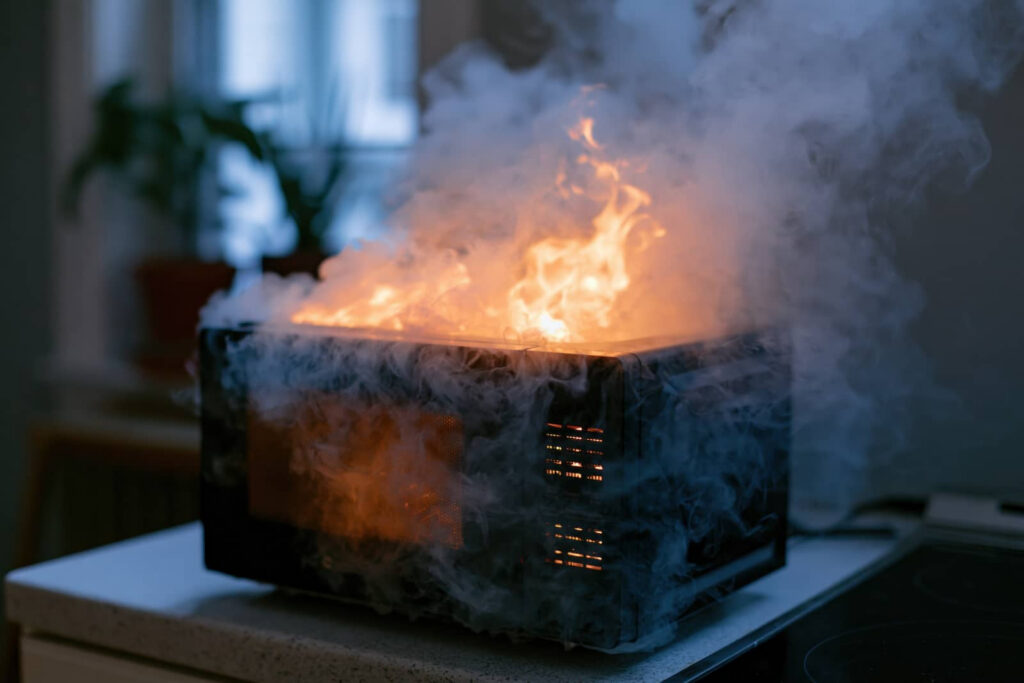
Fire damage cleanup for commercial properties starts with assessing the damage, securing the building, and creating a clear cleanup plan. After a fire, you’re dealing with more than charred materials; you’re also facing smoke residue, water intrusion, and possible HVAC contamination. A structured response helps limit further loss and maintain compliance, but the real challenge is knowing what to tackle first and when to bring in specialized commercial restoration support.
Key Takeaways
- Assess fire, smoke, heat, and water damage first to map affected zones and prioritize commercial cleanup safely.
- Secure the property by locking access, posting warnings, shutting off utilities, and restricting entry to authorized personnel.
- Remove soot, debris, odors, and contaminated materials while documenting all damage for insurance and recovery planning.
- Extract firefighting water quickly, dry hidden moisture, and monitor humidity to prevent mold and secondary losses.
- Choose a full-service commercial restoration company with rapid response, code knowledge, and experience coordinating with insurers.
Assess the Fire Damage
Before cleanup begins, you need a thorough assessment of the fire damage to determine the full scope of impact on your commercial property.
You’ll document structural charring, smoke residue, heat distortion, and water damage from suppression efforts. A trained team can inspect walls, ceilings, inventory, and mechanical systems to identify what’s salvageable and what needs replacement.
This step also helps you prioritize fire damage cleanup for commercial properties with accuracy and confidence. By mapping affected zones, you reduce delays and protect your operations from hidden hazards.
You’re not facing this alone; your recovery team works with you to create a clear plan that supports your staff, your space, and your return to business.
Secure the Building
Once the damage is assessed, you need to secure the building to prevent further loss and keep everyone safe. You should treat the site as controlled, not abandoned, and act with confidence.
- Lock doors, gates, and access points.
- Post clear warning signs and restrict entry.
- Shut off utilities if hazards remain.
- Coordinate temporary boarding or fencing where needed.
You’ll protect your team, your tenants, and your business community by limiting exposure to theft, weather, and injury.
Stay in contact with qualified professionals so everyone knows the plan and feels supported.
When you secure the property quickly, you create a safer path forward and show your people that recovery starts with organized action.
Begin Fire Damage Cleanup
You’ll want to assess the full extent of the fire damage first so you can identify affected structural components, equipment, and contents.
Then secure the property by controlling access, stabilizing hazards, and preventing further loss from weather, theft, or contamination.
This focused start helps you move into cleanup with a clear, safe plan.
Assess Damage Extent
Start by evaluating the full extent of fire damage so you can prioritize cleanup and recovery efforts with accuracy.
You’ll want to document every affected area, from soot-stained walls to warped materials, so your team can build a clear plan together. Use a systematic inspection to separate surface damage from deeper structural and smoke-related impact.
- Note visible charring and discoloration.
- Identify smoke migration in hidden spaces.
- Check for heat-affected fixtures and equipment.
- Record water damage from suppression efforts.
This assessment helps you estimate labor, materials, and timelines with confidence.
When you understand what’s been harmed, you can make informed decisions and move forward with the support of professionals who know commercial recovery.
Secure The Property
With the damage assessment complete, the next step is to secure the property so cleanup can begin safely and without further loss.
You should board broken windows, lock accessible entries, and shut down compromised utilities to reduce fire, water, and electrical risks.
Post clear hazard notices and restrict access to authorized responders only, so your team stays protected and your site remains controlled.
If smoke or soot has spread, close off affected zones to limit contamination.
You can also coordinate temporary security monitoring to deter theft and vandalism while you wait for restoration crews.
These steps help you protect assets, preserve evidence, and create a safer environment for the recovery work ahead.
When you secure the site properly, you’re helping your business rejoin its normal routine with confidence.
Remove Smoke and Soot
Smoke and soot need to be removed quickly and thoroughly to prevent permanent staining, corrosion, and lingering odor in a commercial property.
You’ll protect finishes, equipment, and inventory when you act with a methodical cleanup plan. Our team uses specialized tools and safe detergents to lift residues without spreading them.
- Inspect affected surfaces and materials.
- HEPA vacuum loose soot before wiping.
- Clean walls, fixtures, and contents with the right solution.
- Deodorize air and hidden spaces to reduce smoke odor.
You’re not alone in this process; experienced technicians can help you restore a clean, professional environment.
Fast, precise removal also supports a smoother reopening and helps your workspace feel like your business again.
Handle Water Damage From Firefighting
Firefighters’ efforts can leave commercial spaces with significant water intrusion, so you’ll want to address it quickly to prevent secondary damage.
You should shut off saturated electrical equipment, document affected areas, and start extraction as soon as it’s safe. Commercial-grade pumps, wet vacuums, and desiccant dehumidifiers help you remove standing water and control humidity before mold takes hold.
You’ll also want to inspect hidden moisture in carpets, wall cavities, and storage zones, because trapped water can spread damage fast.
Coordinate with your restoration team to monitor moisture levels and map drying progress.
When you act promptly, you protect operations, reduce downtime, and give your staff a cleaner, safer path back to work.
Repair HVAC, Walls, and Assets
Once standing water is under control, you can shift focus to repairing the systems and structures that keep your facility running.
You’ll want to inspect HVAC components for soot, corrosion, and clogged filters, then clean or replace damaged parts so airflow stays safe and efficient.
Next, assess walls for heat stress, cracking, and smoke staining, and restore them before hidden deterioration spreads.
Treat damaged assets with care so your team can return to a space that feels familiar and functional.
- Verify ductwork integrity
- Remove compromised wall materials
- Restore salvageable equipment
- Document every repair step
Choose a Fire Damage Cleanup Company
When you choose a fire damage cleanup company, verify that it has proven commercial experience and understands the demands of business recovery.
You should also check response time, since fast mobilization can limit further loss and downtime.
Confirm that the team offers full restoration services so you’re covered from cleanup through final repairs.
Verify Commercial Experience
How do you confirm a cleanup team can handle your facility’s demands? You check whether they’ve restored offices, warehouses, or retail spaces like yours and understand business continuity needs.
Commercial experience means they can protect operations, document losses, and coordinate safely with your staff.
- Ask for similar project references.
- Review photos and scope notes.
- Confirm training for commercial materials and systems.
- Verify they know code, insurance, and safety requirements.
When you choose a team with proven commercial work, you’re not just hiring a vendor; you’re joining forces with specialists who speak your language.
That shared understanding reduces confusion, supports compliance, and helps you feel confident that your property is in capable hands.
Check Response Time
Even the most qualified commercial cleanup team can fall short if they don’t arrive quickly. When you’re choosing a fire damage cleanup company, ask how soon they can mobilize after your call. Fast response limits smoke staining, corrosion, and moisture-related secondary damage, which can spread through your building in hours.
You should also confirm whether they provide 24/7 dispatch, local crews, and clear arrival windows. A reliable team will explain its intake process, so you know what happens next and who’ll meet you onsite. That transparency helps you feel supported during a stressful event.
In commercial recovery, quick action isn’t just convenient; it protects operations, reduces downtime, and gives your business a stronger path back to normal.
Confirm Restoration Services
A full-service restoration provider can simplify recovery by handling more than debris removal, so you should confirm exactly which fire damage cleanup services they offer before you hire them.
You need a team that can stabilize your property, protect your staff, and help your operations feel whole again.
Ask whether they provide:
- Emergency board-up and roof tarping,
- Soot and odor removal,
- Water extraction and drying,
- Content cleaning and structural repairs.
A qualified company should also document losses, coordinate with insurers, and explain each step clearly.
When you choose a provider with broad capabilities, you reduce delays and avoid juggling multiple contractors.
That support helps you and your team move forward with confidence, knowing your recovery is in capable hands.
Frequently Asked Questions
How Long Does Commercial Fire Damage Cleanup Usually Take?
You’ll usually need several days to several weeks, depending on fire severity, smoke penetration, water damage, and building size. You can speed recovery with prompt assessment, targeted cleaning, and coordinated restoration.
Will Insurance Cover All Fire Damage Cleanup Costs?
Usually not entirely; you’ll need to review your policy, limits, and exclusions. Your insurer may cover most cleanup costs, but deductibles, depreciation, and uncovered damage can leave you responsible for some expenses.
Can Employees Return Before Cleanup Is Fully Finished?
Usually, you shouldn’t let employees return before cleanup’s complete. You’ll need clearance from safety professionals, because lingering smoke, soot, and structural hazards can’t protect your team or workplace confidence.
What Permits Are Needed for Commercial Fire Restoration Work?
You’ll likely need building, electrical, plumbing, HVAC, and demolition permits, plus fire department and environmental clearances. Your restoration contractor should coordinate them, so you’re not buried under paperwork while your property roars back to life.
How Do Businesses Prevent Future Fire Damage After Cleanup?
You prevent future fire damage by repairing hazards, upgrading wiring, testing alarms, training staff, and scheduling regular inspections. You’ll build a safer workplace, reduce risks, and protect your team, assets, and operations.
Review
When you assess the damage, secure the site, and start cleanup fast, you help your business recover with less downtime. Think of it like stopping a leak before it floods the whole floor: one small delay can multiply the loss. Fire, smoke, soot, and water don’t wait, so you can’t either. By choosing an experienced commercial cleanup team, you’ll restore safety, protect assets, and move forward with confidence and compliance.