
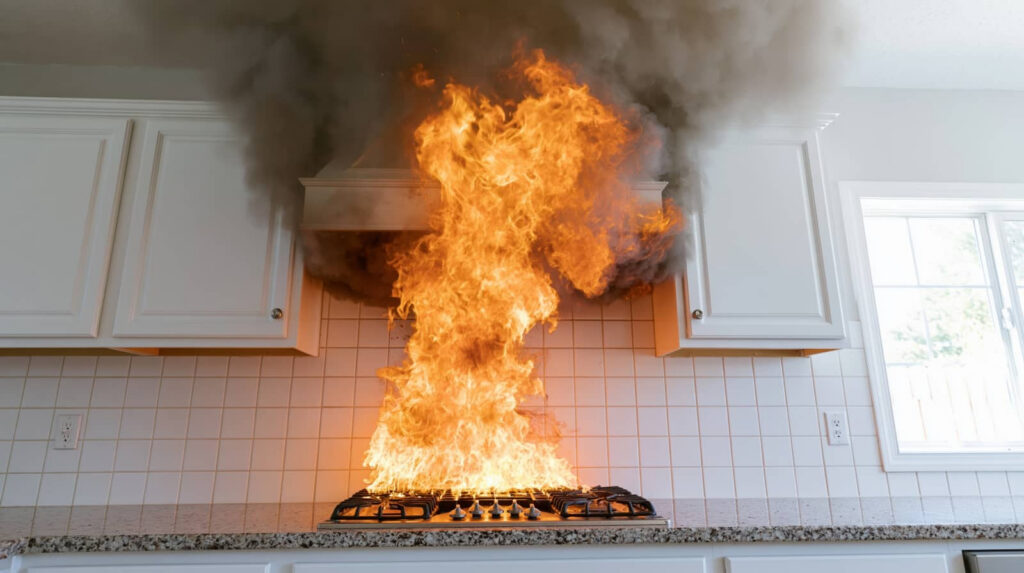
Does fire damage cleanup really take just a few days, or does the timeline stretch much longer? You’ll usually see minor smoke and soot cleanup finish faster, but structural damage, moisture, and utility issues can extend the process to weeks. Your next steps matter, because quick mitigation can limit secondary damage and keep restoration moving. The exact timeline depends on what’s been affected, and the details can change the whole plan.
Key Takeaways
- Fire damage cleanup usually takes a few days to several weeks, depending on the severity of smoke, soot, and structural damage.
- Small, contained fires often allow faster cleanup than fires affecting multiple rooms or major structural areas.
- The process includes inspection, safety checks, debris removal, cleaning, drying, and odor control.
- Hidden damage, moisture from firefighting, and necessary repairs can significantly extend restoration time.
- Contacting a certified restoration team quickly can help reduce secondary damage and speed up cleanup.
How Long Does Fire Damage Cleanup Take?
How long does fire damage cleanup take? It usually takes anywhere from a few days to several weeks, depending on the extent of smoke, soot, and structural damage.
You’ll usually see a team start with inspection, safety checks, debris removal, and odor control, then move into detailed cleaning and surface restoration.
If your home has limited damage, you may get back sooner; if the fire affected multiple rooms or materials, you’ll need more time.
As you work through the process, your restoration team should keep you updated so you know what’s next and where you stand.
If you’re asking how long does fire damage cleanup take, the best answer is that your timeline depends on the damage, but you’re not going through it alone.
What Speeds Up or Slows Fire Cleanup
Several factors can speed up or slow down fire cleanup, and the biggest one is the scope of the damage. If the fire stayed in one room, you’ll usually see faster progress than when smoke, soot, and water spread through your whole home.
Access also matters: clear entry points, working utilities, and safe structural conditions let crews move efficiently. Delays often come from lingering moisture, unstable materials, or extensive odor control needs.
You can help by documenting damage quickly, contacting your insurer, and choosing a restoration team right away. Quick action limits corrosion, staining, and secondary damage, which protects your space and helps everyone move forward sooner.
Every job is different, but with prompt coordination, you’ll usually shorten the timeline and keep the process manageable.
How Fire Damage Cleanup Works
Once the site is safe, fire damage cleanup typically starts with an inspection and a clear plan for removal, drying, and restoration.
You’ll get a detailed assessment of soot, smoke residue, water intrusion, and structural damage so the crew can prioritize tasks and protect unaffected areas.
They’ll bag debris, remove unsalvageable materials, and clean surfaces with specialized tools and detergents that lift acidic soot without spreading it.
Next, they’ll extract moisture, set drying equipment, and monitor humidity to prevent secondary damage.
You’ll also see air scrubbers and odor treatments used to clear contamination from rooms and HVAC paths.
As work moves forward, technicians document progress, test materials, and coordinate repairs so your space can return to safe, usable condition with confidence.
Why Fire Restoration Takes Longer
Fire restoration usually takes longer than the initial cleanup because the work has to move in phases and account for hidden damage. You’re not just removing soot and debris; you’re verifying structural stability, drying materials, cleaning HVAC systems, and checking for smoke that’s settled inside walls, insulation, and finishes.
Each room can reveal new issues, so technicians often pause to assess before they can safely continue. Moisture from firefighting can also slow the process, since trapped water may cause warping, corrosion, or microbial growth if you rush ahead.
Electrical, plumbing, and framing repairs add more time because they require careful coordination. When you understand these steps, you can better see why restoration takes patience. You’re part of a process that rebuilds safety, comfort, and confidence.
How to Speed Up Fire Damage Cleanup
You can speed up fire damage cleanup by acting quickly and keeping the restoration process organized. Call a certified restoration team right away so they can assess structural damage, smoke residue, and water intrusion before conditions worsen.
Document losses with photos, then separate salvageable items from items that must be discarded. Open windows only if professionals confirm it’s safe, and shut off HVAC systems to limit soot spread. Remove unaffected belongings from the work area so crews can move efficiently.
Share insurance details early, approve estimates promptly, and keep one point of contact for decisions. If you stay proactive and coordinated, you’ll help your team restore your space faster and reduce delays that often come from confusion, moisture, or lingering contamination.
Frequently Asked Questions
Does Insurance Delay Fire Damage Cleanup?
Yes, insurance can delay fire damage cleanup if you wait for inspections, coverage approval, or claim documentation. You can speed things up by filing promptly, photographing damage, and coordinating directly with your adjuster.
Can I Stay in My Home During Cleanup?
You can sometimes stay, but only if your home’s structure, air quality, and utilities are safe. You’ll need professional testing, containment, and proper ventilation; otherwise, smoke, soot, and moisture can keep you out.
Will Smoke Smell Ever Fully Go Away?
Yes, you can eliminate smoke odor completely in most cases. About 90% of lingering smell comes from porous materials, so you’ll need deep cleaning, HEPA filtration, and ozone treatment to restore your home’s comfort.
Are Electronics Usually Salvageable After Fire?
Usually, yes, some electronics are salvageable after fire if you act quickly. You’ll need professional inspection, cleaning, and testing, because heat, smoke, and moisture can damage circuits even when devices still power on.
What Items Should I Throw Away First?
You should toss food, cosmetics, porous fabrics, and anything heavily soot-coated first; they’re hardest to salvage. Many fire losses come from smoke and soot, so you’ll protect your home fastest by sorting these out.
Wrap-Up
In practice, you’ll find that fire damage cleanup rarely follows a fixed timeline. Small fires may be handled in a few days, while heavy smoke, soot, water, and structural damage can push restoration into several weeks. The theory that “the damage looks minor, so cleanup will be quick” isn’t always true—hidden moisture and utility issues often extend the work. If you act fast, document damage, and call professionals, you’ll usually shorten the process.