

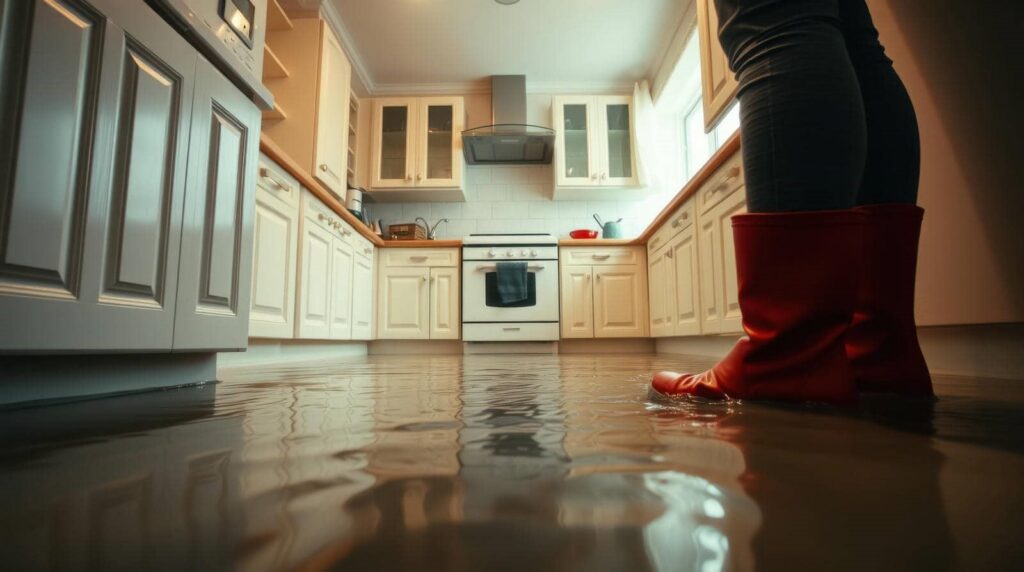
You should start water damage cleanup within the first 24 hours after a loss, and the first hour matters most. Once moisture enters drywall, insulation, and framing, it spreads fast and raises the risk of mold, corrosion, and structural decay. You need to shut off the source, document the damage, and improve airflow right away. What happens in the next day can determine whether you face a minor repair or a major restoration.
Key Takeaways
- Water damage cleanup should start within the first 24 hours to reduce mold growth and structural damage.
- The first hour should focus on stopping the water source, cutting power if needed, and documenting the loss.
- Quick action limits moisture from spreading into drywall, insulation, framing, and flooring.
- Delays increase microbial risk, worsen odors, and raise restoration costs.
- Call a professional promptly if damage spreads, materials stay damp, or contaminated water is involved.
How Fast Should Water Damage Cleanup Start?
Water damage cleanup should start immediately, ideally within the first 24 hours, to reduce the risk of mold growth and structural deterioration.
If you’re asking how fast should water damage cleanup start, the answer is now, because moisture begins wicking into drywall, insulation, and framing quickly.
You should document visible damage, then call qualified mitigation specialists who can assess saturation, meter materials, and set drying goals.
Prompt action helps you protect indoor air quality, preserve finishes, and limit secondary losses.
Prompt action helps protect indoor air quality, preserve finishes, and reduce secondary losses.
When you respond early, you stay in control and join others who handle losses with confidence and discipline.
Delays increase microbial risk, weaken building components, and raise restoration costs.
Fast, organized cleanup gives you the best chance to recover safely and efficiently.
What To Do in the First Hour of Water Damage Cleanup
During the first hour, shut off the water source if you can do so safely. Cut power to affected areas if electrical hazards are present, and remove people from rooms with standing water or sagging ceilings.
Then document the loss with photos and notes, noting the source, affected rooms, and visible materials. Move dry, valuable items to a clean, secure space. Open doors and closets to improve airflow, but don’t use fans or HVAC if they may spread contamination.
Place aluminum foil or wood blocks under furniture legs to limit staining. Wipe up accessible water with clean towels or a wet vacuum if the source is clean.
Call a qualified restoration team quickly so you’re not handling risk alone. Fast action helps you protect your property and your peace of mind.
Why the First 24 to 48 Hours Matter
The first 24 to 48 hours after a water loss can determine how much damage you face, because moisture quickly migrates into drywall, insulation, flooring, framing, and contents.
During this window, you need prompt extraction, controlled drying, and documented inspection to limit restoration scope and preserve materials you care about.
Professional crews use moisture meters, thermal imaging, and air movement to map affected areas and target hidden wet spaces before deterioration advances.
When you act quickly, you reduce the chance that materials swell, delaminate, or lose structural integrity.
You also keep the job more predictable for your team, because early stabilization supports efficient cleanup, safer access, and clearer restoration planning.
Fast response isn’t just best practice; it’s how you protect your property and stay in control.
Signs Water Damage Is Getting Worse
As water damage worsens, you’ll usually notice new staining, swelling, musty odor, peeling paint, warped flooring, or soft drywall. These changes often mean moisture is still active inside the assembly.
You may also see discoloration spreading beyond the original wet area, baseboards separating, or laminate lifting at the edges. If you press on drywall and it flexes, the gypsum core may be breaking down.
Cool surfaces, persistent dampness, and recurring odor after brief drying also signal trapped moisture. In your home, these warning signs often progress together, so you shouldn’t treat them as isolated defects.
They tell you the affected materials are still absorbing water, losing strength, and creating a more compromised environment for you and your household.
When to Call a Water Damage Pro
If the damage is spreading, odors are returning, or materials still feel damp after a short drying period, you should call a water damage professional right away.
You’ll also want expert help if water reached drywall cavities, insulation, subfloors, or electrical systems, or if the loss involved sewage, contaminated water, or a hidden leak.
A pro can measure moisture, identify trapped pockets, and set up controlled drying that your team can trust.
If you’re unsure whether cleanup is complete, don’t guess; lingering moisture can lead to mold, swelling, and structural failure.
Calling early helps you protect your space, limit repair costs, and stay aligned with a crew that knows what proper recovery looks like.
Frequently Asked Questions
What Water Damage Is Safe to Handle Myself?
You can handle clean, minor spills from potable water on nonporous surfaces if there’s no electrical risk, contamination, or hidden moisture. Stop and call pros for sewage, stormwater, or soaked drywall, insulation, flooring, or ceilings.
Does Insurance Cover Immediate Water Damage Cleanup?
Yes, your policy may cover immediate water damage cleanup if the loss is sudden and documented; you should call your insurer first, mitigate further damage, and keep receipts, photos, and contractor reports for claims support.
Can Furniture Be Saved After Water Exposure?
Yes, you can often save furniture after water exposure if you act fast. You’ll need rapid drying, disassembly, and sanitation; otherwise, mold spreads like wildfire, weakening materials and ruining your belongings.
How Do I Know if Hidden Moisture Remains?
You’ll know hidden moisture remains when readings stay elevated, materials feel cool or damp, odors persist, or meters detect moisture behind walls. Use thermal imaging and a hygrometer; you can’t rely on surface dryness alone.
Should I Move Belongings Before Cleanup Starts?
Yes—you should move only dry, undamaged belongings if it’s safe. You’ll protect documents and valuables, but don’t disturb wet materials or hidden moisture; you’ll preserve evidence for technicians and speed proper cleanup.
Summary
You should start water damage cleanup immediately, ideally within the first 24 hours, to limit mold growth, structural deterioration, and costly repairs. In the first hour, shut off the source, document the damage, and increase airflow. If moisture keeps spreading or materials stay wet, call a water damage pro fast. Acting quickly is like stopping a leak before it becomes a flood: you protect your property, your air quality, and your recovery.