
When you face industrial water intrusion, you need more than basic cleanup; you need a coordinated extraction strategy built around high-capacity pumps, industrial wet vacs, air movers, and dehumidifiers. You also need to match the method to the source, volume, and affected materials, because the wrong setup can slow recovery and increase damage. The key question is which equipment mix will restore control fastest—and that depends on a few critical factors.
Choosing the right industrial water extraction services can protect your facility, equipment, and schedule. In this guide, we explain the equipment and methods behind industrial water extraction services so you can make informed decisions. You can also explore our water damage restoration services to see how our team responds to large-scale water losses.
Key Takeaways
- Industrial water extraction removes floodwater or leak water quickly to stabilize facilities and reduce damage, downtime, and contamination risk.
- High-capacity extractors and submersible pumps handle large volumes, while wet vacuums remove residual water from tight or hard-to-reach areas.
- Air movers and dehumidifiers accelerate drying by increasing evaporation and controlling ambient moisture after standing water is removed.
- Moisture meters verify drying progress and guide equipment placement, helping technicians target saturated materials and hidden pockets.
- Effective providers respond quickly, use calibrated equipment, document saturation, and communicate clearly throughout extraction and restoration.
What Is Industrial Water Extraction?
Industrial water extraction is the process of removing large volumes of water from facilities, structures, or industrial surfaces using specialized equipment such as high-capacity pumps, vacuums, and moisture recovery systems.
You use it when flooding, leaks, or process failures threaten operations, safety, and asset integrity. It targets standing water and saturated materials before contamination spreads or downtime grows.
In industrial water extraction services, equipment selection depends on water volume, access limits, and material sensitivity. You’ll typically work with technicians who assess conditions, control hazards, and document removal progress.
The method’s goal is rapid stabilization, so your team can restore normal function with confidence. When you understand industrial water extraction services equipment, you can coordinate responses efficiently and feel connected to a prepared, capable recovery process.
Industrial water extraction services rely on truck-mounted units, submersible pumps, and high-capacity wet vacuums to move large volumes of water fast. Because every facility is different, industrial water extraction services should be matched to the building layout, flooring, and type of water involved. A careful plan helps industrial water extraction services protect equipment, inventory, and production areas.
Must-Have Water Extraction Equipment
You need high-capacity water extractors to remove large volumes of standing water quickly and reduce saturation depth in industrial spaces.
Industrial wet vacuums let you target residual water in confined areas, while air movers and dehumidifiers accelerate evaporation and control ambient moisture.
When you combine these tools correctly, you improve extraction efficiency and lower the risk of secondary damage.
High-Capacity Water Extractors
High-capacity water extractors are the workhorses of industrial water extraction services, moving large volumes of water quickly from flooded floors, machinery zones, and structural cavities.
You rely on them when downtime, corrosion risk, and substrate saturation demand immediate control. Their powerful pumps and wide-intake systems accelerate bulk removal, reducing standing water before it migrates into seams, insulation, or equipment bases.
You’ll get the best performance when you match flow rate, lift capacity, and hose diameter to the site’s volume and access limits.
Skilled operators monitor discharge paths, electrical safety, and recovery efficiency to keep extraction stable. In your team, these units set the pace, helping you restore usable conditions faster and with greater confidence.
Industrial Wet Vacuums
Wet vacs are the precision tools that finish what bulk extractors start, pulling residual water from seams, trenches, sumps, edges, and tight equipment clearances. You use them to target low-volume water that standard hoses miss, and you control nozzle choice, reach, and suction to match each surface.
Their sealed tanks, durable casters, and corrosion-resistant components let you move through active sites with confidence. You can also pair narrow crevice tools with floor wands to isolate hidden pockets without spreading contamination.
In industrial recovery, that matters because every ounce left behind raises risk and delays handoff. When your crew handles extraction this way, you work as a coordinated unit, reduce rework, and keep the site on a cleaner, faster path to service.
Air Movers And Dehumidifiers
After bulk water and residual moisture are removed, air movers and dehumidifiers take over to accelerate evaporation and stabilize the environment.
You position air movers to create directed airflow across carpets, slab edges, and wall cavities, breaking the boundary layer that slows drying.
Then you deploy dehumidifiers to pull vapor from the airstream, keeping relative humidity low and preventing secondary damage.
In practice, you monitor temperature, humidity, and airflow so you can match equipment capacity to the affected volume.
This approach shortens drying time, reduces microbial risk, and protects finishes, wiring, and structural materials.
When you use the right setup, you’re part of a disciplined response team that restores control fast and keeps the site safe, efficient, and ready for the next step.
How Industrial Water Extraction Works
Industrial water extraction works by combining high-powered pumping, suction, and filtration equipment to remove standing water quickly from affected areas.
You guide the process by positioning intake hoses in the deepest points, where pumps draw water into sealed tanks or discharge lines.
Vacuum systems then capture residual moisture from flooring, joints, and porous materials, reducing saturation at the source.
Inline filters trap debris, sediment, and contaminants, helping you maintain controlled flow and protect downstream equipment.
As moisture levels drop, sensors and meters let you verify progress and adjust output.
This coordinated method shortens downtime, limits material damage, and creates a stable environment for drying.
When you use it correctly, you stay aligned with your team and restore operations with confidence.
How to Choose the Right Extraction Method
Choosing the right extraction method starts with matching equipment to the water source, volume, contamination level, and surface type. You’ll select pumps for free-standing water, wet vacuums for residual moisture, and specialized extractors for porous or textured materials.
Evaluate flow rate, lift capacity, and filtration so you don’t recirculate debris or spread contaminants. If the water carries chemicals, oils, or sewage, you need containment, separation, and compatible materials to protect the system and your team.
You should also confirm access, power availability, and discharge routing before you start. When you align method with conditions, you reduce downtime, preserve assets, and work with the same disciplined standards your crew expects.
That precision helps your facility recover faster and keeps everyone operating as one team.
Industrial Flood Extraction for Large Facilities
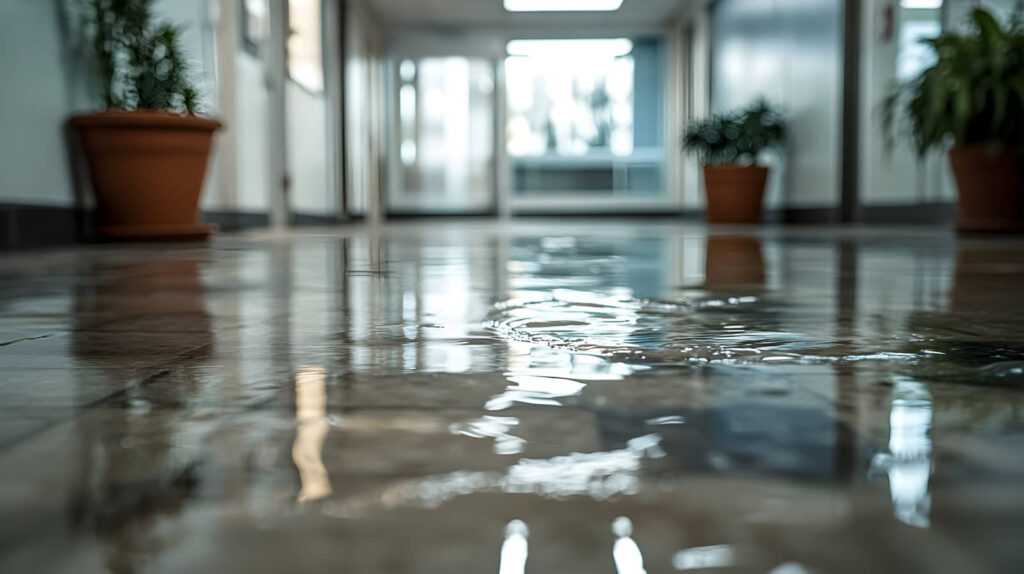
When you’re managing industrial flood extraction for a large facility, rapid water removal is critical to limit structural damage, downtime, and contamination spread.
You need heavy-duty extraction equipment that can move high volumes fast and maintain consistent suction under demanding conditions.
Rapid Water Removal
Because large facilities can’t afford prolonged downtime, rapid water removal depends on industrial flood extraction equipment that quickly pulls standing water from floors, pits, and low-lying areas.
You can stabilize conditions fast by targeting the deepest pools first, then working outward to prevent recontamination. This approach reduces slip hazards, limits moisture migration, and helps you protect adjacent production zones.
You’ll also improve access for inspection, cleanup, and drying verification. When you coordinate extraction with site maps and drain paths, your team moves with confidence and stays aligned on priorities.
Precise water removal isn’t just about speed; it’s about controlling spread, preserving assets, and restoring operational order. In your facility, that discipline helps everyone stay ready, connected, and safe.
Heavy-Duty Extraction Equipment
Heavy-duty extraction equipment takes over once you’ve identified the main water paths and need to move high volumes fast. You’ll use truck-mounted extractors, high-capacity submersible pumps, and weighted vacuum heads to pull water from concrete floors, loading bays, and process areas with controlled efficiency.
These systems lower standing water quickly, reducing hydrostatic pressure and limiting spread into adjacent zones. You’ll also benefit from hose layouts that support long reach without sacrificing flow rate.
- Deploy units with verified lift and discharge capacity.
- Match intake screens to debris load.
- Route water to approved drainage points.
- Monitor flow, power demand, and recovery time.
When you work this way, you stay aligned with the same response standards your facility team trusts.
Drying Equipment That Speeds Recovery
Once standing water is removed, drying equipment helps you accelerate recovery by lowering moisture levels in floors, walls, and structural materials.
You deploy axial air movers to increase evaporation, then position dehumidifiers to capture vapor before it migrates deeper. Low-grain refrigerant units work well in moderate temperatures, while desiccant systems perform in cooler or lower-humidity conditions.
You monitor airflow patterns, temperature, and relative humidity to confirm even drying across the affected zone. Moisture meters let you verify progress and adjust equipment placement with precision.
When you use a coordinated drying setup, you reduce the window for secondary damage and keep your team aligned around a clear restoration target.
This approach supports faster stabilization, cleaner handoff, and more confident recovery decisions.
What Slows Water Removal?
Water removal slows when access, lift distance, or material saturation limits pump performance and extraction efficiency. You’ll see delays when hoses kink, inlets clog, or floor geometry traps water in low points.
Dense materials like carpet pad, concrete pores, and insulation hold moisture, so your equipment must work longer to overcome capillary retention. Temperature and viscosity also matter; colder water moves less readily through lines and filters.
Air leaks, undersized power supplies, and long discharge runs reduce flow and raise downtime.
- Restricted access
- Excess lift height
- Saturated materials
- Flow losses in lines
You can reduce these constraints by keeping pathways clear and matching the system to the load.
How to Pick a Water Extraction Provider
How do you choose the right provider? You evaluate response time, equipment depth, and drying diagnostics.
Look for crews that use truck-mounted extractors, submersible pumps, and calibrated moisture meters, because you need measurable results, not guesses. Verify they document pre-loss conditions, map saturation zones, and track progress with humidity and temperature data.
You should ask about technician certifications, safety protocols, and insurance coverage, since those factors reduce operational risk. Also confirm they can coordinate with your facility team, keep you informed, and adapt to your production schedule.
A reliable provider communicates clearly, arrives prepared, and treats your site like part of their own network.
When you compare these details, you’ll join a group of operators who choose recovery partners with precision and confidence.
When water threatens operations, industrial water extraction services give you the best chance to limit downtime and costly repairs. The right provider pairs powerful equipment with proven methods, and industrial water extraction services that start quickly keep secondary damage in check. Guardian Angel Restoration delivers industrial water extraction services built around safety, speed, and thorough drying.
Frequently Asked Questions
How Often Should Extraction Equipment Be Serviced?
You should service extraction equipment every 3 to 6 months, and after heavy use, so you catch wear early, maintain suction, and keep your team’s workflow reliable, efficient, and ready for demanding jobs.
Can Water Extraction Prevent Mold Growth Completely?
No—water extraction can’t prevent mold growth completely; after 24–48 hours, mold risk rises sharply. You’ll reduce moisture fast, but spores still need drying, dehumidification, and monitoring to feel confident your property’s protected.
What Safety Gear Is Required During Extraction?
You’ll need gloves, waterproof boots, eye protection, and respiratory protection; add hard hats and hearing protection when conditions demand. You should assess hazards first, then choose gear that keeps your team safe and confident.
Are Extraction Services Available After Business Hours?
Yes, you can get after-hours extraction services; you’ll fit right in with teams that work nights. The early bird gets the worm, but urgent leaks need rapid response, so you’d schedule 24/7 dispatch.
How Is Contaminated Water Handled During Removal?
You isolate contaminated water, test it, and vacuum it into sealed containers. Then you filter, treat, or dispose of it per regulations. You’ll protect occupants, reduce spread, and keep your site compliant.
Conclusion
You’ve seen the toolkit: extractors, wet vacs, air movers, dehumidifiers, and moisture meters, all doing the unglamorous work that keeps “emergency” from becoming “liability.” In industrial water extraction, speed matters, but so does measurement; otherwise you’re just rearranging trouble with expensive fans. You’ll choose the right method, and the right provider, by valuing data over drama. After all, water doesn’t care about your schedule, only physics—and physics, unlike management, doesn’t negotiate.