

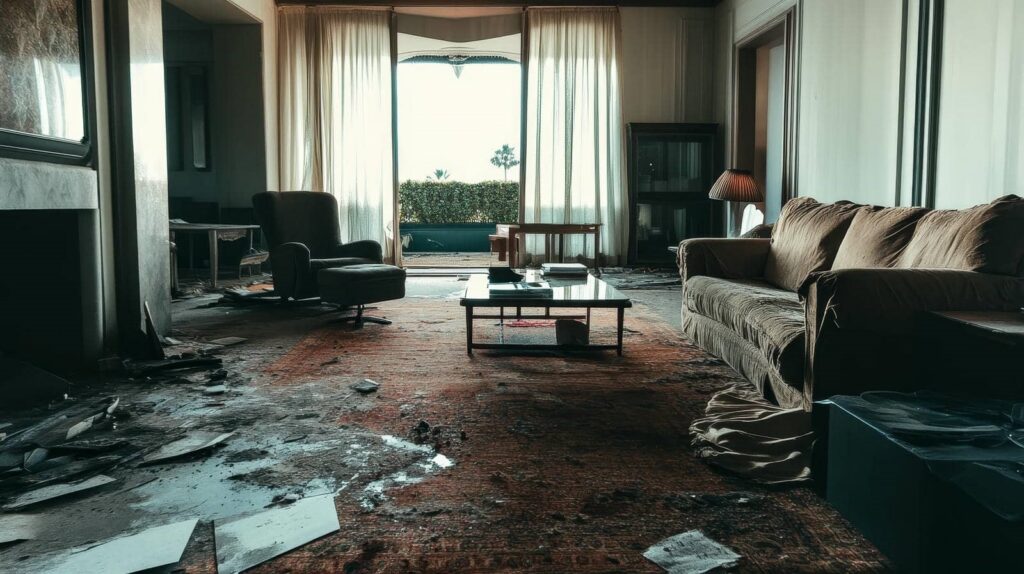
Does same day water damage cleanup really cut recovery time, or does the first hour simply decide how bad the loss gets? When you act fast, you can limit absorption, stabilize materials, and reduce the chance of mold, odor, and hidden contamination. You’ll want to know what professionals inspect first, what they extract immediately, and which mistakes can turn a manageable event into a larger repair.
Key Takeaways
- Respond within hours by assessing the source, stopping water entry, and removing standing water immediately.
- Shut off water and electricity safely, then move people, pets, and valuables out of affected areas.
- Extract water from carpets, floors, and hidden cavities using pumps, vacuums, air movement, and dehumidifiers.
- Inspect for trapped moisture in walls, insulation, and subfloors to prevent swelling, mold, and structural damage.
- Apply antimicrobial treatment, HEPA filtration, and thorough drying to speed recovery and reduce demolition needs.
What Is Same Day Water Damage Cleanup?
Same day water damage cleanup is an emergency response service that starts removing water, drying affected materials, and stabilizing the property within hours of the loss.
You use the same day water damage cleanup process to assess the source, extract standing water, deploy air movers and dehumidifiers, and document conditions for your recovery team.
You’re not waiting for moisture to spread into framing, insulation, or finishes; you’re acting now to control the environment and protect your space.
Technicians isolate affected zones, monitor humidity, and verify that surfaces reach safe drying targets.
This fast, coordinated service helps you regain control, reduce disruption, and stay connected to a team that knows what’s at stake.
It’s a precise workflow built for urgent restoration.
Why Same Day Water Cleanup Matters
When water intrusion hits, every hour you wait gives moisture more time to move into drywall, insulation, flooring, and structural materials, which raises repair costs and increases the risk of mold growth, warping, and odor.
Same day cleanup limits that spread by removing standing water, reducing humidity, and stabilizing affected spaces before deterioration accelerates. You get faster drying, less demolition, and a better chance of saving finishes, subfloors, and furnishings.
Same day cleanup limits damage, speeds drying, and helps save finishes, flooring, and furnishings before deterioration spreads.
Rapid response also protects indoor air quality and helps you re-enter your home or business sooner with confidence.
When you act quickly, you’re not just limiting damage—you’re joining the group of property owners who take control early and recover with less disruption, fewer surprises, and stronger results.
What to Do Before Help Arrives
While you wait for help to arrive, shut off the water source if you can do so safely, then cut power to affected areas if water has reached outlets, appliances, or the electrical panel.
Move people and pets to dry rooms. Don’t walk through standing water, and wear shoes with firm soles if you must cross a damp area.
Remove small valuables, medications, and electronics from the wet zone. Mop or blot shallow water if it’s safe, but don’t use a household vacuum or run fans into soaked materials.
Open interior doors to improve airflow. Keep a clear path for technicians, and note where the leak started and when you first noticed it.
Your quick, calm actions help your property’s recovery team start fast and protect your space.
How Pros Inspect Water Damage
When the pros arrive, you’ll get an immediate damage assessment to identify affected materials, safety risks, and the full extent of spread.
They’ll use moisture detection methods like meters and thermal imaging to locate hidden water behind walls, under floors, and inside cavities.
This inspection has to happen fast so you can target drying, prevent structural deterioration, and reduce mold risk.
Initial Damage Assessment
Before cleanup begins, professionals perform a rapid damage assessment to identify the water source, determine the affected materials, and gauge how far moisture has spread.
You’ll see them document visible damage, classify the water, and separate salvageable areas from items that need immediate removal. They move fast because every minute increases swelling, staining, and structural risk.
You stay informed as they mark priority zones, note hidden pathways for migration, and decide where containment should start. This assessment sets your recovery plan, protects your property, and helps your team act with confidence.
When you’re part of a coordinated response, you get clearer decisions, faster drying, and fewer surprises. The goal is simple: stop deterioration now so restoration can begin without delay.
Moisture Detection Methods
Using specialized tools, pros trace moisture fast so they can map hidden damage before it spreads.
You’ll see them pair noninvasive meters with thermal imaging to spot wet drywall, subflooring, and insulation without tearing into sound materials.
Pin and pinless moisture meters compare readings across affected areas, while infrared cameras reveal temperature shifts that signal trapped water.
Hygrometers track ambient humidity, helping you judge whether drying is actually working.
In crawlspaces and behind baseboards, borescopes and psychrometers confirm what surface checks can’t.
You stay informed through clear readings, fast documentation, and targeted action.
That means fewer surprises, faster extraction, and a tighter drying plan.
When your crew uses precise detection, you join a process built for control, speed, and recovery.
How Water Extraction Works
Water extraction starts with locating all standing water and saturated materials, then removing moisture fast with high-capacity pumps, wet vacuums, and specialized extraction tools.
You’ll move room by room, targeting carpets, padding, subfloors, and hard surfaces before water spreads deeper. Each pass reduces hydrostatic pressure, limits staining, and helps prevent microbial growth.
You need firm suction on porous materials and controlled passes on delicate finishes to avoid unnecessary damage. Crews often use weighted extractors on carpet to pull water from the base fibers, then repeat until flow drops.
When you act quickly, you keep your space safer, cleaner, and more recoverable. That urgency matters because every minute counts, and your team’s speed gives you a stronger path back to normal.
How Professionals Dry Walls and Floors
You need fast wall moisture extraction to stop hidden saturation from spreading into framing, insulation, and finishes.
Technicians use targeted air movement, dehumidification, and sometimes injection drying to pull moisture out of wall cavities before mold can take hold.
For floors, they select drying methods based on the material and subfloor condition, using controlled airflow, mats, or specialized extraction to restore structural dryness quickly.
Wall Moisture Extraction
Wall moisture extraction starts fast, because trapped moisture can wick into drywall, framing, and subflooring within hours.
You need a trained team to map hidden saturation with moisture meters and thermal imaging, then open access points where drying can actually reach the wet cavities.
They’ll remove baseboards, drill controlled weep holes, and deploy low-grain refrigerant dehumidifiers with air movers to pull vapor from wall assemblies.
This targeted airflow helps you avoid unnecessary demolition while protecting insulation and structural members.
You stay informed through repeated readings, so you know drying is progressing.
When you act quickly, you join the homeowners who limit swelling, staining, and microbial growth.
Precise wall extraction isn’t optional; it’s the difference between a manageable repair and a costly rebuild.
Floor Drying Methods
Once standing water is removed, floor drying has to start immediately to prevent moisture from migrating into subfloors, trim, and framing.
You’ll see professionals lift area rugs, detach baseboards, and drill strategic access points when needed. They position high-velocity air movers to push dry air across the surface, while dehumidifiers pull vapor from the room and stop secondary damage.
For carpeted floors, they may extract trapped moisture, then place weighted drying mats to draw water from padding and underlayment.
For hardwood, they monitor moisture content and use controlled heat only when it won’t cause cupping or cracking.
You’re not waiting; you’re joining a proven recovery process that protects your space, limits repairs, and gets your home back on track fast.
How Mold, Odors, and Contamination Are Treated
When water sits too long, mold can start growing, odors can set into porous materials, and contaminated water can spread harmful bacteria throughout the space.
You need fast, targeted treatment to protect your home and your crew. Technicians isolate affected zones, remove unsalvageable porous items, and apply EPA-registered antimicrobials where growth has begun.
They also use HEPA filtration and deodorization to capture spores and neutralize lingering smells. For contaminated water, they disinfect hard surfaces and extract residue before it spreads.
Contain airborne particles
Sanitize structural surfaces
Deodorize affected materials
Verify drying and cleanliness
You’re not just drying a room; you’re restoring a safe, livable environment your household can trust again.
Common Mistakes That Make Damage Worse
If you delay water removal, you give moisture time to migrate into drywall, subfloors, and insulation, which accelerates structural damage.
You also can’t rely on surface dryness alone, because hidden moisture trapped behind walls or under flooring can drive mold growth and material failure.
If you use improper drying methods, you may spread contamination, warp materials, or lock moisture deeper into the building assembly.
Delayed Water Removal
Delaying water removal gives moisture time to spread into drywall, insulation, subfloors, and framing, turning a manageable cleanup into a larger structural and mold problem.
You need to move fast, because every minute increases swelling, staining, and material breakdown. Act as a team with your responders, and don’t let the damage sit.
Shut off the source immediately.
Extract standing water without waiting.
Open affected areas for airflow.
Document conditions before cleanup starts.
When you delay, you also raise repair costs and extend disruption to your home or business.
Same-day response helps you protect your space, support your crew, and get back to normal sooner. Stay decisive, stay organized, and treat water intrusion like the urgent issue it is.
Hidden Moisture Risks
Hidden moisture often hides behind walls, under flooring, and inside insulation, so surface drying alone won’t stop the damage. You need to treat every damp zone as active risk, because trapped water can swell materials, weaken adhesives, and feed microbial growth within hours.
If you ignore cold spots, musty odor, or uneven moisture readings, you’re leaving the structure vulnerable to hidden deterioration. You belong with owners who verify with meters, inspect cavities, and document each affected area before closing the job.
Open baseboards, check behind cabinets, and confirm saturation levels in framing and subfloors. Fast action matters, but accuracy matters more. When you find concealed moisture early, you protect indoor air, preserve finishes, and keep a small loss from becoming a major rebuild.
Improper Drying Methods
When you rush the drying process with the wrong tools or settings, you can trap moisture deeper into framing, warp finishes, and spread damage instead of stopping it. You need controlled airflow, dehumidification, and constant moisture checks to protect the structure and keep your crew on track.
Don’t blast heat at wet surfaces.
Don’t close off rooms before humidity drops.
Don’t skip hidden cavities behind baseboards.
Don’t assume surfaces are dry by touch.
If you over-dry one area, you can crack wood, delaminate flooring, and leave pockets wet in insulation. Use meters, not guesswork, and adjust equipment as readings change.
When you dry methodically, you belong to the team that stops secondary damage fast and restores the space with confidence.
What Drives Same Day Cleanup Costs?
Same day water damage cleanup costs are driven by how fast you need technicians on-site, how extensive the saturation is, and what equipment the job requires.
If you call for immediate dispatch, you’re paying for mobilization, after-hours labor, and priority scheduling.
Category of water, square footage, and hidden moisture behind walls or under flooring also raise pricing because they demand more testing and containment.
You’ll see higher totals when crews must remove damaged materials, run commercial dehumidifiers, and monitor drying with meters.
Access matters too: tight crawlspaces, multi-story layouts, and packed rooms slow work and increase labor.
When you understand these drivers, you can compare estimates accurately and keep your team aligned on what’s urgent, necessary, and fully accounted for.
How to Recover Faster After Cleanup
After the water is out and the structure is dry, you need to move fast on restoration details to prevent delays and secondary losses.
You’ll recover quicker when you verify hidden moisture, document damage, and coordinate trades in sequence. Stay connected with your mitigation team so no one duplicates work or misses a risk.
Inspect insulation, baseboards, and cavities with meters.
Replace damaged materials before microbial growth starts.
Confirm electrical, HVAC, and plumbing safety.
Schedule final cleaning, deodorizing, and repairs immediately.
You can shorten downtime by keeping records, approvals, and photos organized in one place.
That clarity helps your crew act as one unit, protects your space, and gets you back to normal faster.
Frequently Asked Questions
How Quickly Should Water Damage Cleanup Start After Flooding?
You should start water damage cleanup within 24 hours, ideally immediately, to limit structural damage, mold growth, and contamination. Acting fast protects your space, helps you recover sooner, and keeps your team together.
Can Same Day Cleanup Save Carpet From Replacement?
Yes—same day cleanup can save your carpet if you extract water fast, dry fibers thoroughly, and prevent mold. You’ll protect your investment, keep your space livable, and avoid costly replacement when you act immediately.
Is It Safe to Stay Home During Water Damage Cleanup?
Usually, yes—if you’ve got stable power, no sewage, and crew access. But stay alert: hidden hazards lurk like icebergs. You should follow the tech’s instructions, isolate affected rooms, and leave if odors, mold, or electrical risks appear.
Will Insurance Cover Emergency Water Damage Cleanup Costs?
Usually, yes, if your policy covers sudden, accidental water damage. You should file immediately, document losses, and use approved mitigation. Your adjuster’ll confirm coverage, deductibles, and emergency cleanup limits fast.
How Long Does Drying Usually Take After Extraction?
After extraction, you’re usually looking at 24 to 72 hours for drying, depending on materials, saturation, airflow, and humidity. You should monitor moisture daily; delayed drying raises mold risk and prolongs restoration.
Wrap-Up
When water strikes, you need to move fast, because every minute counts like a ticking clock in a flood story. Same day water damage cleanup helps you stop spread, reduce structural loss, and limit mold before it gains ground. By acting quickly, you protect your property, speed drying, and shorten recovery. Don’t wait for hidden moisture to worsen the damage. Call professionals right away, and you’ll take back control before the situation writes a longer ending.