
Water damage in your home’s walls can lead to big problems if not caught early. It doesn’t just happen during a flood or after heavy rain. Even a small leak can cause a lot of damage over time. Recognizing the signs of water damage can save you from costly repairs and keep your home safe and dry.
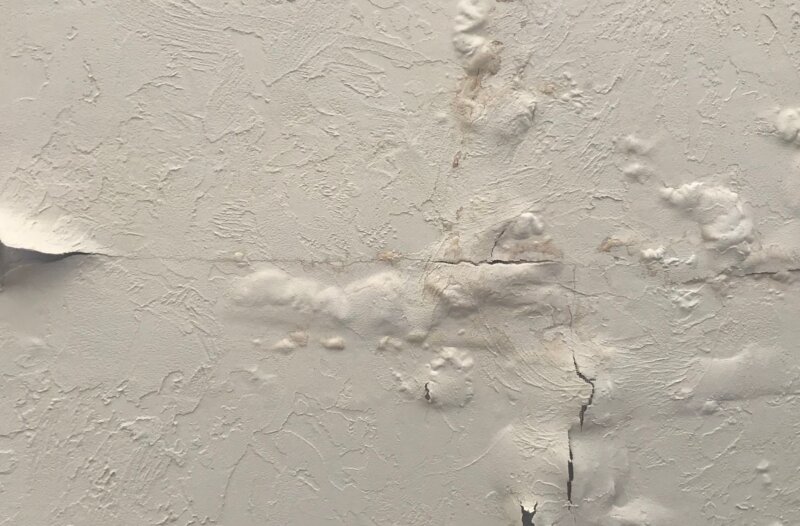
Take a closer look at your walls. Do you notice any discoloration or peeling paint? These are often signs that water is hiding where it shouldn’t be. You might also see mold growing or smell a musty odor, indicating that moisture is accumulating inside your walls.
Getting ahead of water damage means knowing what to look for and understanding what causes it. By spotting problems early, you can take steps to fix them before they become major issues. Understanding how water affects your home will help you take the right actions to protect it, ensuring that your walls stay strong and your living space remains healthy.
Recognizing the Visual Signs of Water Damage
Spotting water damage in your walls early can save you from bigger issues later. Several visual signs often indicate trouble. Start by checking for discoloration on your walls. Any unusual stains or darker patches might point to water seeping through.
Bubbling or peeling paint is another strong clue. When paint or wallpaper starts to peel away from the wall, it’s often due to moisture weakening the adhesion. If the wallpaper seems to be separating or feels damp to the touch, it’s time to investigate further.
Mold is a more significant sign that you have a water problem. Mold thrives in damp conditions and usually appears in humid areas. Look for dark spots or fuzzy patches that can appear in shades of black, green, or brown. Pay special attention to corners, baseboards, and ceilings, too, as water can travel and settle in these areas.
You might also notice a musty smell lingering in certain rooms. This odor usually accompanies long-standing moisture problems, even if the water or mold isn’t visible yet. If certain areas of your walls feel soft or spongy, this indicates that the drywall is deteriorating due to water.
Doors and windows that become difficult to open or close can also suggest water damage. Water can swell the wood, shifting the frames and making them jam. A careful, regular inspection using these visual cues can help catch water damage before it causes serious harm.
Understanding the Causes of Wall Water Damage
Identifying the root causes of water damage in walls is essential for preventing it. Water can find its way into your home’s walls in various ways, and understanding these can help you address the issues before they spiral out of control.
One major cause is leaks from pipes hidden inside the walls. Over time, even a small crack or loose connection can let water drip and gather inside your walls. Regular plumbing checks can catch these hidden leaks early.
Another common culprit is poor sealing around windows and doors. If the seals or caulking are worn out or missing, rainwater can easily enter your home. Regularly check for drafts or visible gaps around these areas to ensure they remain tightly sealed.
Roof damage can also lead to water seeping down into your walls. Missing shingles, damaged flashing, or clogged gutters can direct water into your home’s structure. Regular roof inspections, especially after storms, can prevent this.
Walls adjacent to bathrooms or kitchens are also at risk due to potential splashes and spills. Splashbacks or simply water spilling over can seep into nearby wall materials if not properly cleaned up.
Another less obvious source is condensation. In areas with poor ventilation, like basements, condensation can form on walls and lead to water damage over time. Using dehumidifiers in these areas can help manage moisture levels.
By staying vigilant about these potential causes, you can prevent water damage from wreaking havoc in your home and keep your walls dry and healthy. Proper maintenance and timely repairs play a crucial role in protecting your home’s walls from unwanted water intrusion.
How Water Damage Affects Your Home
Water damage in your home can lead to a host of problems that affect both the structure and your comfort. If left unchecked, water damage can weaken walls, floors, and ceilings. This could lead to structural issues, compromising the safety of your home. Weak spots might start to sag or crumble, which can be dangerous.
Mold growth is another serious consequence. Mold thrives in damp conditions and can spread quickly through walls, floors, and ceilings. It can cause health problems such as allergies or respiratory issues. Once mold starts to grow, it can be hard to eliminate, making early detection key.
Water damage also impacts your home’s insulation. Wet insulation loses its effectiveness, making it harder to maintain comfortable temperatures inside your home, and potentially increasing your energy bills. It can also contribute to further dampness, as the insulation fails to keep moisture out.
Damage to electrical systems is another risk. Water can get into outlets, wires, and circuits, leading to short circuits or even fires. If you suspect water has reached your electrical systems, it’s important to have an electrician inspect the damage.
Over time, water damage can decrease your home’s value. Potential buyers might be wary of purchasing a home with a history of water issues, even if repairs were made. Ensuring water damage is fixed properly and promptly is crucial, not just for your immediate living conditions but for protecting your investment in the long run.
Steps to Prevent Future Water Damage
Taking some proactive steps can help ensure your home stays dry and free from water damage. Start by inspecting your home regularly for signs of leaks or water entry. Pay close attention to areas like the roof, windows, basements, and bathrooms, where water is more likely to intrude.
Maintain your gutters and downspouts. Clear them of debris to ensure they channel water away from your house efficiently. Broken gutters can allow water to pool near your home, leading to foundation damage.
Address plumbing issues as soon as they arise. A slow leak today can become a major problem tomorrow. Check under sinks and around appliances for any signs of dripping or dampness.
Consider using dehumidifiers in areas prone to high humidity. Keeping the indoor environment dry helps prevent condensation, which can lead to water damage over time.
Proper ventilation is also important. Ensure that your bathroom and kitchen have exhaust fans to carry moisture-laden air outside. This reduces the risk of water settling on walls and ceilings.
Installing a sump pump in your basement can be a great safeguard if your area is prone to flooding. A sump pump helps remove water that accumulates in a basement, protecting your home from flood damage.
By taking these preventive measures, you can greatly reduce the risk of water damage and keep your home safe and dry for years to come.
Conclusion:
Spotting and addressing water damage in your home’s walls is crucial for maintaining a safe and healthy living environment. Water damage can lead to a range of problems, from structural issues to mold growth, and can compromise your home’s value. Acting quickly when you notice signs of damage will help prevent these problems from worsening.
Regular inspections and preventive steps are key to keeping water damage at bay. By staying proactive, you safeguard your home and ensure it remains a comfortable and safe space for you and your family.
If you suspect water damage in your walls or need advice on preventing it, contact Guardian Angel Restoration. We are your trusted expert in tackling water damage restoration in Indianapolis. Let Guardian Angel Restoration help you protect your home and provide peace of mind.