
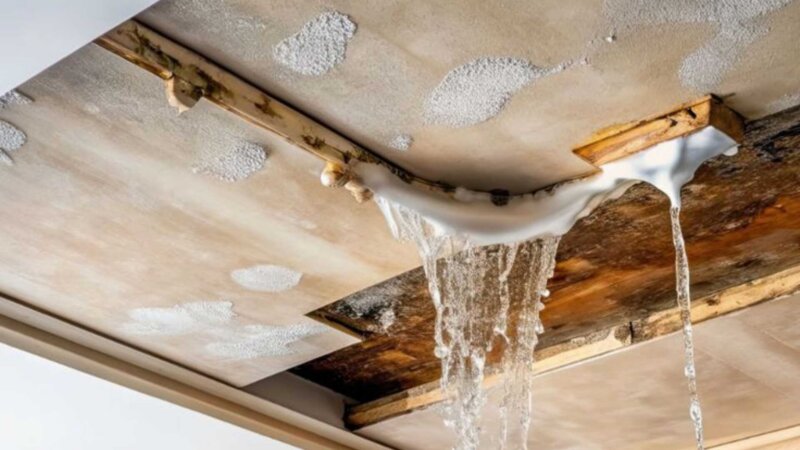
Water damage can turn a peaceful day in your Indianapolis home into a stressful situation within minutes. A burst pipe, basement flooding, heavy rain, or an appliance malfunction can leave water spreading fast and causing serious damage. Knowing exactly what to do in those first critical moments can protect your property, reduce repair costs, and prevent long-term issues like mold and structural deterioration. Acting quickly with the right approach and understanding when to call for water damage restoration Indianapolis services can make all the difference in how smoothly your recovery goes.
Water damage is not just about what you can see. Moisture travels quickly into walls, floors, insulation, and electrical systems. If ignored or handled incorrectly, it can create safety hazards and ongoing health concerns. This guide walks you through the immediate actions you should take, why timing matters, and how professional restoration helps Indianapolis homeowners recover with confidence.
What are the first things you should do after water damage occurs in your Indianapolis home?
The first few hours after water damage are crucial. Staying calm and following a clear plan helps limit damage and keeps everyone safe. Your initial focus should be on safety, stopping the water source, and preventing further harm to your property.
Rushing without a plan can lead to missed hazards or costly mistakes. Instead, approach the situation step by step. These first actions lay the foundation for effective cleanup and successful water damage restoration Indianapolis professionals can complete later.
Ensure Safety Before Entering Affected Areas
Safety should always come first after water damage. Water can hide electrical dangers and weaken floors or ceilings without obvious signs.
If water has reached outlets, electrical panels, or appliances, turn off the electricity at the breaker if it is safe to do so. Avoid standing water until power is shut off. If you suspect structural damage or smell gas, leave the home immediately and contact professionals.
Contaminated water from sewage backups or flooding can carry bacteria and chemicals. Keep children and pets away from affected areas and wear protective gloves and boots when possible.
Stop the Source of Water Immediately
Once safety is addressed, stopping the water source is critical. Continuous water flow increases damage and spreads moisture deeper into building materials.
Turn off the main water supply if a pipe has burst. Shut down leaking appliances and supply lines. If storm damage causes roof leaks, temporary covering may help until permanent repairs are made.
These immediate water damage steps Indianapolis homeowners take can significantly reduce drying time and overall restoration costs.
Document the Damage for Insurance
Before starting cleanup, document everything. Insurance claims depend heavily on proper records.
Take clear photos and videos of all damaged areas, including walls, floors, ceilings, furniture, and personal items. Capture both wide shots and close-ups. Write down when the damage occurred and any visible causes.
Avoid discarding damaged items until your insurance adjuster has reviewed them, unless they pose a health risk.
Begin Initial Water Removal and Drying
Removing standing water as soon as possible helps limit secondary damage. Even small delays allow moisture to seep deeper into materials.
Use towels, mops, buckets, or a wet-dry vacuum if safe to do so. Increase airflow by opening windows and doors when weather allows. Fans and dehumidifiers can slow moisture buildup during the early stages.
While these actions help, they do not replace professional-grade equipment used in full water damage restoration Indianapolis projects.
Why Fast Action Matters for Water Damage Restoration Indianapolis Homes
Time is the most important factor when dealing with water damage. Within the first 24 hours, moisture can cause drywall to soften, wood to swell, and mold to begin forming.
Professional water damage restoration Indianapolis teams use moisture detection tools to locate water hidden behind walls and under floors. Without professional drying, these unseen areas often lead to recurring damage and odors.
Quick action also increases the chances of saving furniture, documents, and personal belongings. Delays usually result in higher repair costs and more extensive replacements.
Protect Your Home from Further Damage
After initial water removal, focus on stabilizing your property to prevent additional issues.
Secure damaged doors, windows, or roofing to keep rain, pests, and intruders out. Move wet furniture to dry areas and elevate items to reduce water absorption.
These actions are part of effective emergency property protection Indy homeowners rely on while waiting for professional restoration to begin.
Understanding the Types of Water Damage
Knowing the category of water damage helps determine the level of risk and response needed.
Clean water comes from broken pipes or supply lines and poses minimal risk initially. Gray water from appliances may contain contaminants. Black water from sewage or flooding is highly dangerous and requires professional handling.
Each category demands a specific approach, and professional restoration ensures safe and complete cleanup.
The Hidden Risks of Delaying Restoration
Waiting too long after water damage can cause problems that are not immediately visible. Moisture trapped in walls can weaken framing and insulation over time.
Mold can begin growing within 24 to 48 hours, releasing spores that affect indoor air quality. Prolonged exposure may trigger allergies, asthma, and other respiratory problems.
Structural materials like wood and drywall may deteriorate, leading to costly repairs that could have been avoided with prompt action.
When Should You Call a Professional Restoration Company?
If water damage affects more than one room, reaches walls or ceilings, or involves contaminated water, professional help is strongly recommended.
Restoration professionals have the tools and training to fully dry and sanitize your home. They also work with insurance companies to ensure proper documentation and smoother claims processing.
Homeowners who need immediate assistance often choose to contact Guardian Angel Restoration to get expert guidance and fast response during stressful situations.
What Happens During Professional Water Damage Restoration
Professional restoration follows a structured process designed to restore your home safely and effectively.
The process begins with a detailed inspection and moisture mapping to identify all affected areas. High-powered extraction equipment removes water, followed by controlled drying using air movers and dehumidifiers.
Cleaning and sanitization eliminate bacteria, mold spores, and odors. Finally, damaged materials such as drywall, flooring, and insulation are repaired or replaced to restore your home.
How Indianapolis Weather Increases Water Damage Risks
Indianapolis weather patterns contribute to frequent water damage issues. Heavy spring rains can overwhelm drainage systems and flood basements. Summer storms may cause roof leaks and foundation seepage.
Winter freeze-thaw cycles often lead to burst pipes when temperatures drop suddenly. Understanding these regional risks helps homeowners prepare and respond quickly when damage occurs.
Preventing Future Water Damage
While not all water damage can be prevented, proactive maintenance reduces risk significantly.
Inspect plumbing, appliances, and roofs regularly. Keep gutters and downspouts clear to ensure proper drainage. Install sump pumps and water alarms in basements and utility areas.
Preventive steps protect your investment and reduce the likelihood of emergency repairs.
Frequently Asked Questions
How fast should I respond to water damage?
Immediate action within the first 24 hours is critical to prevent mold and structural damage.
Can I clean up the water damage myself?
Minor clean water issues can be handled initially, but professional help is recommended for larger or contaminated damage.
Does homeowners insurance cover water damage?
Coverage depends on the cause and policy details. Proper documentation improves claim approval.
How long does water damage restoration take?
Drying usually takes several days, while full restoration depends on damage severity.
Is water damage a health risk?
Yes, especially when mold or contaminated water is involved. Proper cleanup is essential.
Conclusion
Water damage can be overwhelming, but knowing what to do immediately gives you control during a stressful situation. Prioritizing safety, stopping the water source, documenting damage, and acting quickly are essential steps toward recovery. A fast response helps protect your home, your health, and your finances.
When professional help is needed, water damage restoration Indianapolis experts provide the experience and equipment necessary for complete recovery. Guardian Angel Restoration is proud to support Indianapolis homeowners with reliable, professional restoration services when water damage strikes.