

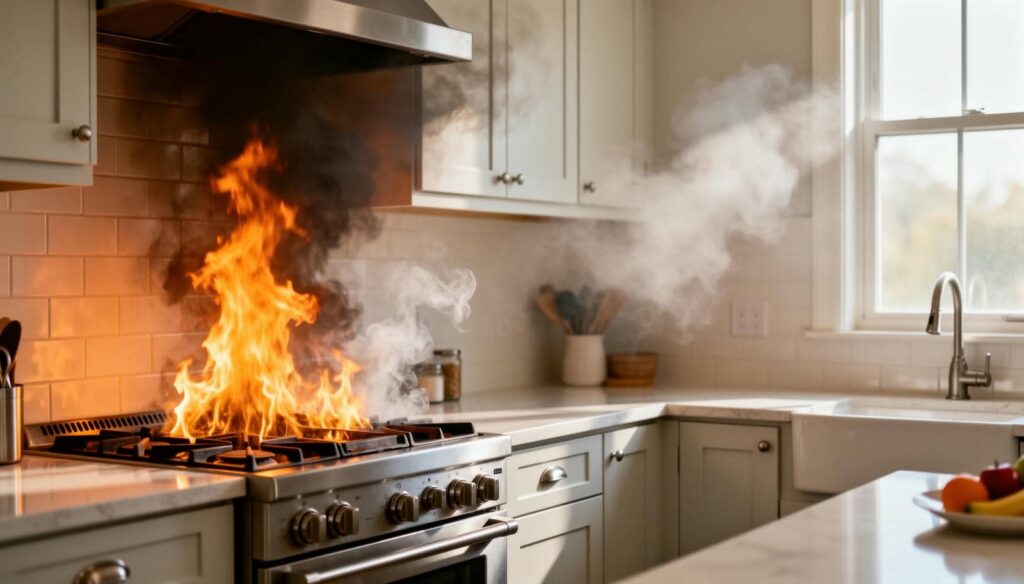
You clean the walls, and you clean the ceilings; you scrub the floors, and you scrub the fixtures. Yet smoke odor can still linger because soot embeds in porous materials, settles in HVAC ducts, and clings to hidden surfaces. You’ll need a systematic approach, from specialized detergents to air handling checks, but the harder question is what can’t be saved and what must be replaced.
Key Takeaways
- Smoke odor comes from microscopic particles and volatile compounds that settle into porous materials and hidden spaces.
- Clean hard surfaces with smoke-specific or alkaline cleaners, rinsing and drying completely to prevent odor reabsorption.
- Porous materials like carpets, upholstery, and drywall often need deep cleaning, sealing, or replacement.
- HVAC ducts and air-handling components can trap smoke residue and should be inspected and cleaned professionally.
- Call a fire restoration company if odor persists or smoke has reached hidden areas, insulation, or structural materials.
What Causes Smoke Odor After a House Fire?
Smoke odor after a house fire comes from microscopic particles and volatile compounds released when materials burn, including wood, plastics, fabrics, and synthetic finishes.
You smell it because these residues drift into air spaces, settle in porous materials, and keep releasing odor molecules over time. Soot contains carbon and tar-like compounds that cling tightly, while burnt plastics can add sharp, chemical notes.
Heat also drives smoke deeper into hidden cavities, where airflow spreads it again. That’s why removing smoke odor from a house after fire damage takes more than masking the smell.
You need source control, ventilation, and targeted cleaning from trained professionals who understand how smoke behaves.
With the right process, you can restore a safer, more comfortable home and feel like your space belongs to you again.
How to Remove Smoke Odor From Surfaces
You’ll need to clean hard surfaces with a smoke-specific detergent or an alkaline cleaner to break down soot. Then rinse and dry them completely to prevent residue from reabsorbing odor.
For porous materials like drywall, fabric, and wood, you can’t just wipe the surface; you’ll need targeted treatment such as deep cleaning, sealing, or replacement if the smoke has penetrated too far.
Professional cleanup often becomes necessary because hidden residue in pores and joints keeps releasing odor even after visible soot is gone.
Cleaning Hard Surfaces
Start with the hard surfaces, since smoke residue clings to them and can keep odors circulating through the house. You’ll get better results by washing walls, cabinets, counters, doors, and trim with a degreasing cleaner mixed with warm water.
Work from the top down, and change your cloths often so you don’t smear soot back onto clean areas. Use microfiber pads for better pickup, then rinse each section with clean water to remove chemical film.
For stubborn residue, apply a smoke-specific cleaner and scrub gently with a nonabrasive sponge. Dry the surface completely, because moisture can trap smell.
If you’re cleaning metal, glass, tile, or sealed wood, inspect seams and corners closely. Clear, thorough cleaning helps your space feel livable again.
Treating Porous Materials
Porous materials like drywall, carpet, upholstery, curtains, and insulation absorb smoke deep into their fibers and pores, so surface washing alone usually won’t stop the odor.
You need to assess each item, then decide whether cleaning, sealing, or replacement makes sense.
For washable textiles, vacuum with a HEPA tool first, then launder with oxygenated detergent and add an odor-neutralizing rinse.
For carpets and upholstery, apply hot water extraction with a smoke-specific cleaner, then dry fast to prevent mildew.
Drywall and insulation often need removal if contamination is heavy.
After cleaning, seal remaining walls with a smoke-blocking primer to lock in residual odor.
Work room by room, ventilate well, and wear proper PPE.
You’re not alone; a methodical approach helps your home feel familiar again.
Why HVAC Systems Trap Smoke Odor
Even after the visible smoke clears, HVAC systems can keep odor circulating because the ductwork, blower assembly, filters, and internal surfaces collect soot and odor particles.
When you run the system, air moves over those contaminated parts and re-releases smell into every room. Fine smoke residue also sticks to insulation, drain pans, coils, and seams, where normal airflow can’t reach it.
If the furnace or air handler heated during the fire, the odor can bake into components and linger longer. You may notice the smell returning each time the thermostat cycles on.
That’s why your home can still feel “smoky” even after surface cleaning. To truly reduce it, you need to understand that the HVAC system acts like a hidden reservoir, sharing contamination with the spaces your family uses daily.
What a Smoke Odor Cleanup Pro Does
A smoke odor cleanup pro doesn’t just mask the smell; they identify where smoke residue settled and remove it from the home’s hidden surfaces.
You get a targeted inspection of walls, ceilings, insulation, vents, cabinets, and soft materials, because soot can cling where you can’t easily see it.
The pro uses HEPA vacuuming, dry sponge cleaning, and residue-safe detergents to lift particles without pushing them deeper.
They may treat porous items, seal stained surfaces, and clean HVAC components so odors don’t recirculate.
If your home needs it, they also apply deodorizing methods that neutralize odor compounds rather than cover them.
You stay informed, protected, and part of a clear cleanup plan that helps your home feel safe again.
How Long Smoke Odor Removal Takes
Smoke odor removal usually takes anywhere from a few hours for light contamination to several days or longer when fire damage is widespread.
You’ll usually spend the most time on source control, surface cleaning, and air treatment. If smoke only touched a single room, you may restore normal conditions after wiping residue, washing fabrics, and running filtration and odor-neutralizing equipment.
If soot settled into drywall, insulation, HVAC ducts, or cabinets, you’ll need repeated cleaning cycles and drying time. Porous materials absorb odor deeply, so they often need more aggressive treatment and patience.
Weather, humidity, and ventilation also affect results. You can expect progress in stages: first the visible residue, then the trapped smell, then the final air quality improvement.
Staying consistent helps your home feel safe again.
When to Call a Fire Restoration Company
You should call a fire restoration company when smoke odor lingers after basic cleaning, when soot has reached hidden areas, or when the damage involves more than one room.
You’ll also need professionals if HVAC ducts, insulation, cabinets, or drywall absorbed smoke, because those materials keep releasing odor and particles.
A trained crew can test surface contamination, identify porous materials that need removal, and use HEPA filtration, thermal fogging, ozone, or hydroxyl treatment where appropriate.
They’ll also check moisture, since fire suppression water can worsen odor and mold risk.
If you want your home to feel safe, clean, and truly yours again, bring in help early. Fast action limits permanent staining, protects indoor air quality, and gets your space back to normal sooner.
Wrap-Up
Smoke odor lingers because soot and volatile compounds penetrate porous materials, not just surfaces. You can clean what you can reach, but if ducts, insulation, or framing hold contamination, the smell returns. So the theory that “a thorough wipe-down fixes it” is only partly true. You’ll get the best results by cleaning hard surfaces, replacing damaged porous items, and treating HVAC components. If odors persist, you’ll need a fire restoration company to finish the job.