

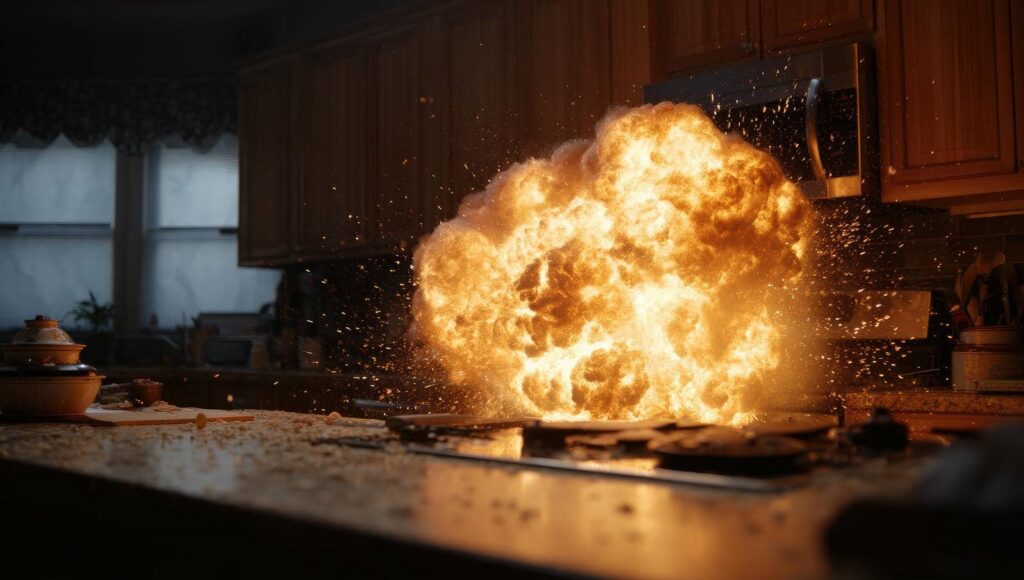
After a house fire, you need to act fast, but not recklessly. You’ll first check for structural hazards, shut off unsafe utilities, and keep everyone clear of damaged areas. Then you can document losses, protect the property from weather and theft, and start removing soot and water before they spread further damage. The next decisions shape how much you can save, and the order you take them matters more than most people realize.
Key Takeaways
- Ensure everyone is safe, evacuate if needed, and avoid re-entering until the structure and utilities are checked.
- Document all fire damage with photos, videos, and an itemized inventory for insurance claims.
- Secure the property by shutting off utilities if safe, boarding openings, and covering roof damage with tarps.
- Remove water, soot, and smoke residue quickly using proper protective gear to prevent mold and further damage.
- Contact your insurer and a certified restoration team promptly to assess, stabilize, and begin repairs.
Make the Home Safe First
Before you begin any cleanup, make sure the home is safe to enter. Check for structural damage, sagging ceilings, cracked walls, and unstable floors before you step inside.
If you smell gas, hear hissing, or see live wires, leave immediately and call emergency services or your utility provider.
Wear sturdy boots, gloves, and a mask to reduce exposure to soot and debris. Turn off water and electricity only if it’s safe and accessible.
Open windows for ventilation once the building is cleared. As you follow these steps to take after house fire damage, move slowly and stay alert for hidden hazards.
You’re not handling this alone; careful inspection now helps protect you, your family, and the rest of your recovery.
Document Fire Damage for Insurance
Once the home is safe to enter, document every area of fire damage for your insurance claim. Use your phone or camera to capture wide shots and close-ups of walls, ceilings, flooring, appliances, and personal items.
Keep the original files, and note dates, times, and room locations for each image. Create a simple inventory that lists damaged property, brand names, model numbers, and estimated values.
Save receipts, warranty papers, and previous photos if you have them. Speak with your insurer soon and share organized records so your claim moves efficiently.
If you can, back up everything to cloud storage or a flash drive. Clear documentation helps you prove losses, reduce delays, and feel more supported as you rebuild with your community.
Secure the House From Further Damage
After you’ve documented the damage, take immediate steps to secure the house and prevent the situation from getting worse.
If the fire department says it’s safe, shut off gas, electricity, and water at the main controls. Board broken windows, cover roof openings with heavy-duty tarps, and close exterior doors to limit weather exposure and unauthorized entry.
Move valuables only if you can do so safely and without disturbing unstable areas. If a lock is damaged, replace it or add temporary hardware so your home stays protected. Photograph any temporary repairs for records.
Reach out to a trusted restoration team or contractor quickly; they can assess structural risks and stabilize the property. Acting fast helps you protect your home, reduce secondary losses, and stay connected to a recovery plan that’s built for your family.
Remove Soot, Smoke, and Water Fast
You should remove soot right away with HEPA vacuuming and dry cleaning sponges before it bonds to surfaces and stains deeper.
You also need to extract standing water fast using pumps or wet vacs to reduce swelling, corrosion, and mold growth.
If smoke odor or moisture lingers, you’ll need targeted cleaning and drying to stabilize the damaged areas.
Soot Removal
Start soot removal as soon as the fire is out, because acidic residue can stain surfaces and corrode materials fast. You can protect your home by working room to room with dry-cleaning sponges, microfiber cloths, and a HEPA vacuum. Wear gloves and an N95 mask, and keep windows open if it’s safe.
Vacuum loose soot gently.
Wipe ceilings, walls, and trim from top to bottom.
Clean hard surfaces with a soot-safe detergent.
Bag contaminated debris before it spreads.
Don’t scrub aggressively; you may grind particles deeper into paint, fabric, and wood.
If smoke odor lingers, repeat cleaning and check hidden corners, vents, and cabinets. You’re not handling this alone—steady, methodical cleanup helps your space feel like home again.
Water Extraction
Extract standing water immediately, because moisture from firefighting can drive soot and smoke deeper into walls, floors, and contents while also raising the risk of mold.
You should shut off power to affected areas, then use pumps, wet vacuums, and absorbent materials to remove water from carpets, subfloors, and hidden cavities.
Open windows if weather allows, and run dehumidifiers and air movers to lower humidity fast.
Check baseboards, cabinets, and insulation for trapped moisture, since these spots often stay wet after visible pooling is gone.
If you’re working with a restoration team, ask them to measure moisture levels and document progress.
Acting quickly helps your home dry safely, protects your belongings, and gets your space back to a clean, stable place where your household can start recovering together.
Sort What Can Be Salvaged
You should assess each item for structural integrity, contamination, and heat exposure to decide what’s salvageable.
Separate belongings by damage level so you can prioritize cleaning, drying, or disposal without cross-contaminating unaffected materials.
Protect recoverable items with clean packing, dry storage, and prompt handling to improve the chances of restoration.
Assess Salvageable Items
Once the structure is safe to enter, sort through your belongings and separate what can be salvaged from what needs to be discarded. You don’t have to decide alone; use a steady, methodical approach so your home’s recovery feels manageable and shared.
Check each item for stability, odor retention, soot coverage, and moisture exposure before you keep it.
- Inspect hard goods for intact construction.
- Test fabrics for lingering smoke odor.
- Verify electronics show no visible damage.
- Set aside items with high sentimental or functional value.
Document everything with photos and notes, then box approved items together for cleaning or storage.
When you stay organized, you protect what matters and create a clearer path forward for your household.
Separate By Damage
After you’ve identified which belongings can be kept, group the salvageable items by the type and severity of damage so cleanup can move faster and stay organized.
Create separate piles for light smoke exposure, heavy soot, minor water contact, and heat-affected pieces. This lets you set priorities and spot items that need different handling.
Use labels, boxes, or bags so you don’t mix cleanable materials with items that’re too damaged to restore. Keep fabrics, electronics, paper goods, and hard surfaces apart because each responds differently to cleanup methods.
Work room by room, and move steadily so you stay in control. Sorting this way reduces confusion, helps everyone in your household stay on the same page, and gives you a clear path toward recovery without adding unnecessary stress.
Protect Recoverable Belongings
Start by moving salvageable items to a clean, dry area so smoke, soot, and moisture don’t keep damaging them. You’re building a safer recovery zone for your home and your family.
Wear gloves and a mask, and handle each item gently to avoid spreading contamination. Then sort with a clear plan:
- Keep items that are dry, intact, and cleanable.
- Quarantine porous goods with odor, staining, or mold risk.
- Document valuables with photos before treatment.
- Label each box so you can track what’s ready for restoration.
If you’re unsure, set the item aside and ask a restoration pro.
Protecting what you can save helps you regain control faster and keeps your next steps organized.
Hire Fire Damage Restoration Professionals
Hiring fire damage restoration professionals is one of the most important steps you can take after a house fire, because they know how to assess structural damage, remove soot and smoke residue, and prevent further deterioration.
You’ll benefit from their industrial-grade equipment, moisture detection tools, and cleaning methods that target hidden contamination in walls, ducts, and framing. They can stabilize unsafe areas, document losses for your insurer, and coordinate repairs in the right order.
When you work with a trusted team, you’re not handling recovery alone; you’re joining experts who understand what your home needs to become safe again.
Call quickly, verify certifications, and ask for a detailed scope so your restoration starts on solid ground.
Summary
By following these fire-recovery steps, you can move from shock to safety with speed. First, make your home safe; then document damage, secure the structure, and remove soot, smoke, and water. Next, sort salvageable items and hire skilled restoration specialists. Stay steady, stay systematic, and stay in touch with your team. With smart, swift action and careful cleanup, you’ll protect your property, preserve value, and pave the path to a practical recovery.