

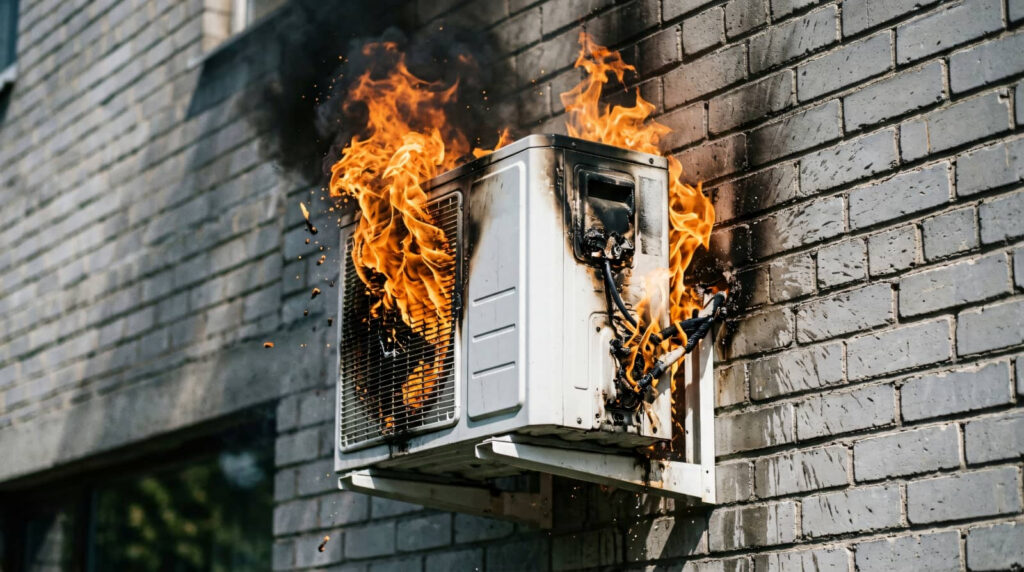
After a house fire, you need to act quickly, but safely, to speed recovery and limit further damage. Fire Damage can affect more than what you see, especially when smoke, soot, and moisture spread into surrounding areas. Follow emergency responders’ guidance, document every affected area, and protect salvageable items before conditions get worse. The next steps can shape your insurance claim, cleanup timeline, and repair costs, so knowing what to do first can save you time, stress, and money.
Key Takeaways
- Ensure everyone’s safety first, follow emergency responders’ guidance, and do not restore utilities until a professional checks them.
- Wear protective gear, ventilate clear areas, and remove pets, food, and undamaged items from the house.
- Document all fire, smoke, soot, and water damage with photos, videos, notes, and receipts for insurance claims.
- Salvage valuables safely, label boxes, and store meaningful items securely to reduce loss during recovery.
- Start cleanup quickly, dry wet areas, and call fire restoration professionals to prevent mold and secondary damage.
What to Do Immediately After a House Fire
After a house fire, your first priority is to make sure everyone is safe and to follow the guidance of emergency responders.
Once officials say it’s safe, enter carefully and assess what to do after fire damage in house. Wear sturdy shoes, gloves, and a mask to protect yourself from soot and sharp debris.
Open windows if the air is clear, but don’t turn on utilities until a professional checks them. Remove pets, food, and personal items that aren’t damaged by smoke or water.
Begin basic cleanup by ventilating rooms and placing wet items in a dry area to limit mold.
Keep family members together, and lean on neighbors, friends, or recovery services for support.
Document Fire Damage for Insurance Claims
Once you’re safe and the property has been cleared for entry, document every sign of fire, smoke, soot, and water damage before you begin cleaning anything.
Take clear photos and videos of each room, including walls, ceilings, floors, furniture, appliances, and built-in fixtures. Capture wide shots for context and close-ups for detail.
Make notes about visible damage, strong odors, and any areas that can’t be used. Keep receipts for emergency expenses, temporary housing, and professional services.
If it’s safe, gather appliance model numbers and serial numbers for the insurer. Create one organized folder for digital files and copies of paper records.
Thorough documentation helps you move through the claims process with confidence and supports your recovery team.
Save Valuable Belongings Before Cleanup
Before you start any cleanup, carefully remove and set aside salvageable valuables that you can safely reach, such as jewelry, medications, passports, cash, electronics, and irreplaceable documents.
Keep your family’s most meaningful items together so they don’t get lost in the recovery process. Use clean boxes or bags, label everything clearly, and store items in a dry, secure place away from smoke, soot, and foot traffic.
If an item feels unstable, damaged, or unsafe to move, leave it for professionals. You’ll protect what matters most by acting calmly and with care.
Taking these steps now can reduce stress, support your next decisions, and help you feel more in control as your home begins to recover.
Clean Up Fire Damage Before Mold Starts
Act quickly to clean up fire damage so lingering moisture doesn’t lead to mold growth. You’ll want to ventilate the space, remove soaked materials, and dry every affected area as soon as it’s safe.
Open windows, run fans, and use dehumidifiers to pull water out of walls, floors, and furniture. Inspect hidden spaces like closets, baseboards, and under cabinets, because moisture can linger there and spread fast.
If drywall, carpet, or insulation stays wet, replace it rather than hoping it’ll recover. Wear protective gear, and keep children and pets away until the area’s dry and secure.
If the damage feels too large to manage alone, call trained restoration professionals who can help you protect your home and get your household back on track.
Remove Smoke Odor and Soot From Surfaces
After the fire is out and the area is dry, you’ll need to remove soot and lingering smoke odor from every affected surface to prevent permanent staining and lingering contamination.
Start by wearing gloves and gently vacuuming loose soot with a HEPA-filtered attachment. Then wipe hard surfaces with a dry-cleaning sponge or a mild soap solution, working from top to bottom.
- Wash walls, ceilings, and trim carefully.
- Launder fabrics with odor-neutralizing detergent.
- Clean vents, filters, and nearby fixtures.
- Air out rooms with fans and open windows.
You’ll also want to replace heavily damaged porous items that trap odor. Staying systematic helps you protect your home and feel more in control.
If you work methodically, you can restore a fresher, safer space for everyone who belongs there.
Call Fire Restoration Pros Early
Calling fire restoration pros early helps you get a rapid damage assessment before smoke, water, and soot cause more harm.
They’ll identify urgent issues and start immediate restoration steps to stabilize your home.
Acting quickly can limit further damage and make the recovery process smoother.
Rapid Damage Assessment
Assess the damage as soon as it’s safe, and call fire restoration pros early so they can document losses, identify hidden hazards, and start a plan to limit further deterioration.
You’ll feel more in control when trained specialists quickly evaluate what’s visible and what’s easy to miss. Their assessment helps your household move forward with confidence and clarity.
- They note structural concerns before they worsen.
- They trace smoke, soot, and moisture spread.
- They help you prioritize areas that need attention.
- They create a clear record for your insurance claim.
When you act fast, you join a process built to protect your home and reduce stress.
A prompt assessment gives you the guidance you need, and it helps your family feel supported during a difficult time.
Immediate Restoration Steps
Contact fire restoration pros as soon as it’s safe so they can begin immediate cleanup and help prevent further damage.
You’ll want a team that understands smoke, soot, water, and structural risks, because these issues can spread fast after the flames are out. They can secure the site, remove damaged materials, dry affected areas, and treat surfaces before stains and odors set in.
You’ll also get guidance on salvaging belongings and documenting losses for your insurer. Acting early helps you avoid costly secondary damage and gives you a clear plan, so you don’t have to face the recovery process alone.
With the right pros on your side, you can move forward with confidence and start rebuilding your home and your routine.
Frequently Asked Questions
When Is It Safe to Reenter a Fire-Damaged Home?
You can reenter only after firefighters or local officials say it’s safe. Wait for structural clearance, downed utility checks, and air-quality approval. Don’t go back alone, and wear protective gear if you’re allowed inside.
How Do I Handle Temporary Housing After a House Fire?
You should contact your insurer, arrange a hotel or rental, and save all receipts. Ask about advance payments, FEMA aid, or Red Cross support. Choose a place near school, work, and family for stability.
Should I Shut off Utilities After Fire Damage?
Yes—shut off utilities if you can do so safely. You’ll prevent further trouble from hidden heat, leaks, or electrical hiccups. Call professionals first, then let your utility companies know what’s happened.
What Items Should Be Thrown Away After Smoke Exposure?
You should throw away porous items like mattresses, pillows, upholstery, carpets, and food exposed to smoke. Toss heavily charred plastics, damaged medications, and cosmetics too. Don’t keep anything with lingering odor, soot, or contamination.
How Can I Protect Outdoor Belongings From Fire Damage?
You can protect outdoor belongings by moving them indoors, covering them with fire-resistant tarps, and hosing down nearby surfaces if safe. Keep items away from embers, and inspect everything for heat, soot, or hidden damage.
Final Thoughts
After a house fire, you need to act fast, stay safe, and follow the right steps to speed recovery. Document damage, protect salvageable belongings, and start cleanup before mold and smoke odors settle in like unwanted guests. When you call fire restoration pros early, you give your home the best chance to heal sooner. With a clear plan and quick action, you’ll move from damage to recovery with greater confidence and less stress.